

World Bank’s IFC, Citigroup Establish $98m Facility to Boost Rand-Denominated Lending in South Africa
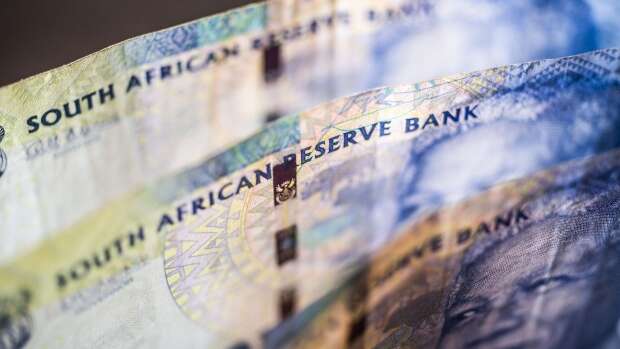
The World Bank Group, through its private sector arm, the International Finance Corporation, has entered into a partnership with Citigroup to establish a 1.6 billion rand (approximately $98 million) borrowing facility aimed at expanding local currency financing in South Africa.
The initiative is expected to enable the IFC to scale up lending in South African rand, reducing reliance on foreign currency borrowing and helping businesses limit exposure to exchange rate volatility—a persistent challenge across emerging markets.
The development underscores a broader pivot among development finance institutions toward local currency financing solutions, particularly in markets where firms generate revenues in domestic currencies but face constraints accessing long-term funding in global hard currencies such as the US dollar.
Market analysts indicate that such currency mismatches have historically heightened financial risk, with depreciation cycles significantly increasing debt servicing costs for borrowers. In contrast, local currency financing provides a more sustainable structure by aligning revenue streams with repayment obligations.
The facility has already underpinned the IFC’s anchor investment in a water-focused outcome-based bond issued by FirstRand Bank, marking the first such instrument issued by a commercial bank globally.
According to officials, the transaction builds on a similar Kenyan shilling facility launched in 2024, which is being positioned as a replicable model for other emerging markets seeking to deepen domestic capital markets and expand access to long-term financing.
“Local currency financing and capital markets development are critical priorities,” said Jorge Familiar, highlighting the role of such partnerships in supporting private sector growth and job creation.
Over the past decade, the IFC has committed more than $33 billion in local currency financing across 71 currencies, reflecting a sustained institutional push to reduce dependence on foreign-denominated debt in developing economies.
For Africa, the implications are significant. As currency volatility continues to weigh on investment and business planning, expanding access to domestic currency financing is increasingly viewed as central to enhancing financial stability, strengthening capital markets, and supporting sustainable economic growth.
The South African facility may thus serve as a template for similar interventions across the continent, particularly in economies grappling with persistent exchange rate pressures and limited access to long-term local funding.

