

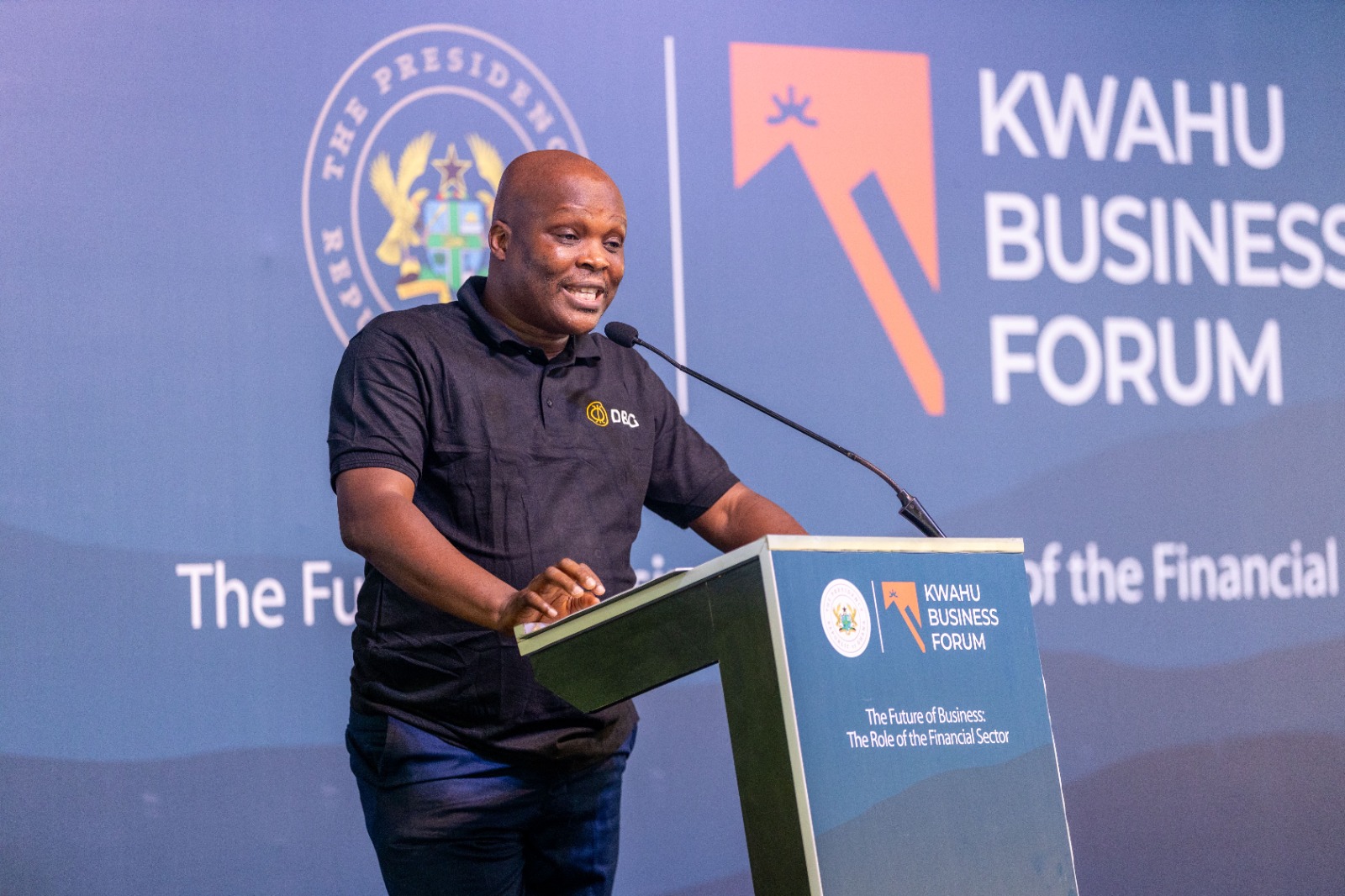

- Development Bank Ghana Targets 1,000 Women-Led Businesses With New Lending Push
Development Bank Ghana has launched a dedicated lending programme for women-owned and women-led businesses, as the state-backed development finance institution marks its fifth anniversary with a renewed push to expand access to long-term capital for underserved entrepreneurs.
The DBG Women’s Lending Programme was unveiled during a customer dialogue with entrepreneurs in Kumasi, with the bank positioning the initiative as a targeted response to the structural barriers that continue to limit women’s access to business finance.
The programme is expected to support about 1,000 women-owned and women-led enterprises between 2026 and 2028, with priority sectors including agriculture, manufacturing, technology, education, hospitality, creative industries and services.
The new financing window will operate through DBG’s wholesale lending model. This means DBG will not lend directly to businesses, but will channel funds through participating financial institutions, which will then provide tailored credit products to eligible women entrepreneurs.
The products are expected to feature simplified documentation, flexible collateral arrangements, competitively priced loans and business advisory support.
For many women-led small and medium-sized enterprises, these design features are critical.
Access to finance remains one of the biggest constraints facing women entrepreneurs in Ghana. Many promising businesses are unable to scale because they lack collateral, formal records, credit history or the documentation required by traditional lenders.
Even where women-owned businesses qualify for loans, borrowing costs can be high, repayment terms short and lending conditions restrictive.
The DBG Women’s Lending Programme is therefore intended to address both the cost and structure of credit available to women-led enterprises.
Chief Executive Officer of DBG, Prof. Randolph Nsor-Ambala, said the bank remains focused on narrowing Ghana’s business financing gap by helping productive enterprises secure the long-term capital needed to expand operations, create jobs and contribute to economic transformation.
Since its establishment in 2021, DBG has positioned itself as a wholesale development finance institution, providing long-term funding and technical support to commercial lenders rather than competing with them for direct customers.
That model is designed to improve the flow of patient capital to sectors and businesses that are often underserved by the mainstream financial system.
The women-focused lending programme strengthens that mandate by embedding gender-responsive financing into DBG’s broader private-sector development agenda.
The initiative also reflects a wider recognition that women-led businesses are not marginal to Ghana’s growth story. They are central to employment, household income, food systems, services, trade, manufacturing and rural enterprise.
However, women entrepreneurs often operate at a disadvantage because of limited access to finance, lower asset ownership, weaker networks, informal business structures and gendered constraints in the credit market.
By encouraging participating financial institutions to design products that respond to these realities, DBG is seeking to shift lending practice from a one-size-fits-all model to a more inclusive financing framework.
Beyond credit access, the programme will include business advisory services. This is important because finance alone does not guarantee business growth.
Many SMEs require support in bookkeeping, governance, tax compliance, product development, digital tools, market access, export readiness and financial management. Combining credit with advisory services can improve repayment performance and strengthen long-term business sustainability.
The programme is also expected to generate evidence that can attract additional development partner funding into gender-focused enterprise finance.
If DBG and its partner financial institutions can show that women-led enterprises are bankable when products are properly structured, it could help change risk perceptions within the wider financial sector.
The initiative could also encourage banks and other lenders to treat gender-responsive finance as a commercial opportunity rather than a social intervention.
The planned regional rollout in the Ashanti and Northern Regions signals DBG’s intention to take the programme beyond Accra and reach entrepreneurs operating in regional growth centres.
This matters because women-led enterprise activity is widespread across the country, particularly in agribusiness, food processing, retail, hospitality, services and light manufacturing.
Regional implementation could also help connect financing to local production systems and value chains, especially in agriculture and agro-processing.
For Ghana’s wider economy, the programme comes at a time when access to long-term business finance remains a major constraint to private-sector expansion.
Many businesses rely on short-term working capital, high-interest loans or informal financing arrangements, which are often unsuitable for investment in equipment, processing capacity, technology, expansion and job creation.
DBG’s role is to help address this gap by making longer-tenor funding available through financial institutions.
The women’s lending programme applies that development finance mandate to one of the most underserved segments of the business community.
If well implemented, the initiative could help women-owned firms expand production, formalise operations, employ more workers, enter new markets and improve household incomes.
Participating financial institutions must ensure that the programme does not become overly bureaucratic or inaccessible to the very businesses it is designed to support.
Loan approval processes must be efficient. Collateral flexibility must be real. Advisory services must be practical. Pricing must be competitive enough to support growth rather than simply increase debt pressure.
There must also be clear monitoring of how funds are used, which sectors benefit, how many jobs are created and whether women-led firms are able to graduate into larger financing windows over time.
The fifth anniversary of DBG provides a useful moment to assess the bank’s evolving role in Ghana’s financial system.
The institution was created to support private-sector growth by addressing long-term financing gaps. Its latest programme shows a shift from broad development finance toward more targeted interventions that address specific market failures.
They are active, productive and often deeply embedded in local economies, but they remain underserved by formal credit channels.
The DBG Women’s Lending Programme seeks to change that by using development finance to influence how commercial lenders assess, support and finance women entrepreneurs.
For Ghana, the potential payoff is significant.
Supporting women-owned businesses can improve income distribution, increase employment, deepen financial inclusion and strengthen local economies. It can also help move more enterprises from informal survival activity into structured growth-oriented businesses.
The programme’s success will ultimately depend on whether it delivers measurable outcomes for the 1,000 women-led enterprises it seeks to support.
If it works, DBG could help create a stronger model for gender-responsive SME finance in Ghana.
If it fails, it will reinforce the old problem: well-intentioned credit programmes that do not fully reach the entrepreneurs who need them most.
Development Bank Ghana is using its fifth anniversary not only to celebrate institutional progress, but to sharpen its role in inclusive growth.
The bank is betting that when women-led businesses receive the right kind of finance, they can become stronger engines of jobs, innovation and local economic transformation.
Source: Based on information provided on Development Bank Ghana’s launch of the DBG Women’s Lending Programme during its fifth anniversary customer dialogue in Kumasi, targeting women-owned and women-led enterprises between 2026 and 2028.

