


World Bank commends Ghana’s recovery and backs Dr Ato Forson’s reform drive
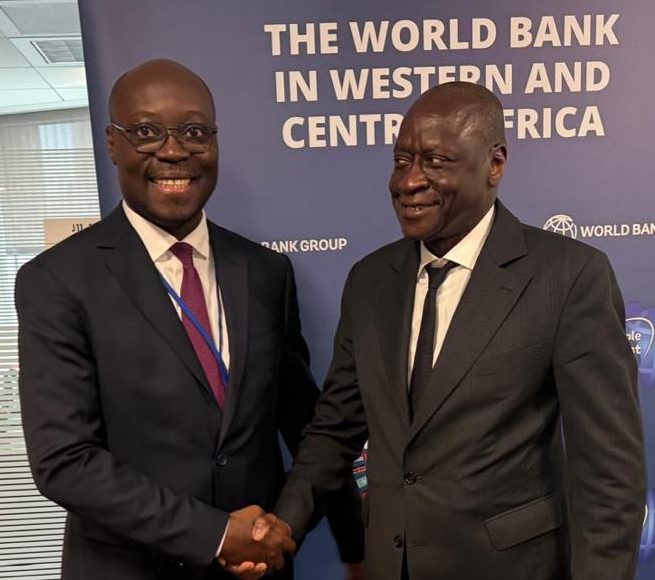
Ghana’s economic recovery has won fresh endorsement from the World Bank, with senior officials in Washington praising the country’s recent progress and singling out Finance Minister Dr Cassiel Ato Forson for his role in steering the turnaround.
At a high-level engagement in Washington in April 2026, Ousmane Diagana, the World Bank’s Regional Vice President for Western and Central Africa, reportedly described Ghana’s performance over the past year as impressive, signalling the institution’s readiness to deepen support as the country moves beyond stabilisation.
Speaking on behalf of the government, Dr Forson said 2025 marked a decisive turning point after a difficult economic period, adding that Ghana was now firmly on the path to debt sustainability and transitioning towards a new phase centred on growth and development.
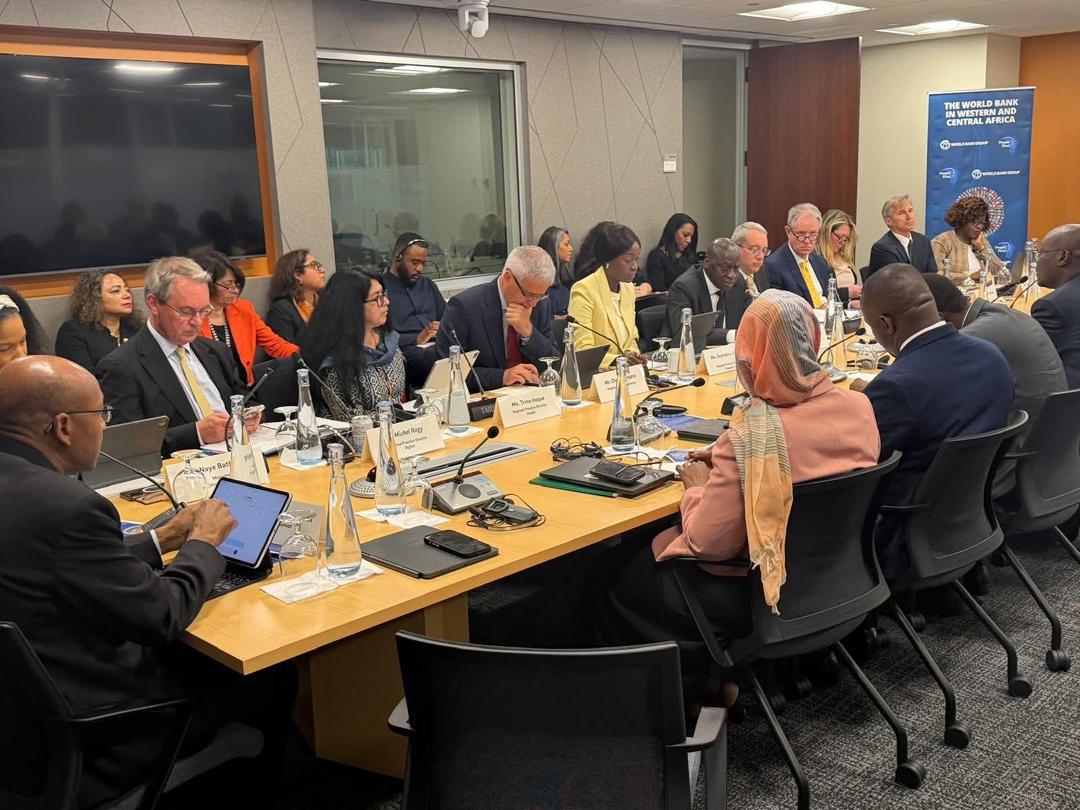
The strongest praise appeared to come from within the Bank’s economic management team. Seynabou Sakho, Regional Practice Director for Prosperity covering macroeconomics, trade and investment, reportedly described the minister’s fiscal reforms as exemplary, saying his work on restructuring had attracted recognition beyond Ghana.
The endorsement matters because it reinforces the narrative that Ghana’s recovery is beginning to gain credibility not only at home, but among key multilateral partners. It also comes at a time when Accra is trying to convince investors and development institutions that recent macroeconomic gains are durable rather than temporary.
Other World Bank officials also used the meeting to acknowledge the wider policy effort behind the recovery. Trina Hague, Regional Practice Director for People covering education, health and social protection, reportedly commended Ghana’s resilience and the government’s effort to protect vulnerable groups despite continued external pressures.
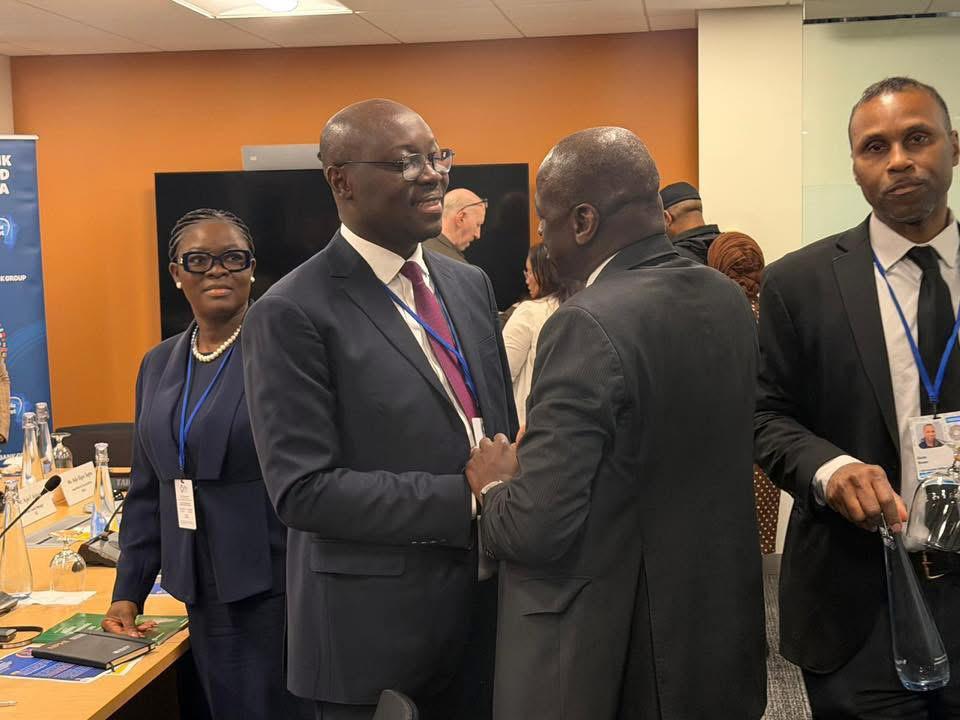
Dr Forson pointed to several headline indicators to support the government’s case. These included a decline in inflation from 23 per cent to 3.2 per cent, improved currency stability, and the continuation of social spending even through a period of adjustment.
With the immediate stabilisation phase giving way to a more forward-looking agenda, the minister said Ghana’s next policy focus would be on agriculture, energy, education and infrastructure, sectors the government sees as central to consolidating the recovery and broadening growth.
For the World Bank, the message was one of approval with continuity. Ghana’s recent performance may have earned praise, but the deeper significance lies in the signal that multilateral backing is likely to remain strong as the country tries to convert hard-won stability into longer-term development momentum.

