


- Zipline Hubs Lift Household Incomes by Up to US$1,200 in Northern Ghana
Households living near Zipline’s drone logistics hubs in northern Ghana are earning between US$850 and US$1,200 more annually than comparable households elsewhere, according to new research that points to the wider economic impact of digital logistics infrastructure.
The study, which examined the economic effect of Zipline’s GH3 distribution hub in Walewale, found that the facility contributed about GHS 1.50 million to the local economy during its first year of operation.
The findings suggest that drone delivery infrastructure, widely recognised for improving access to medical supplies, vaccines, blood products and emergency healthcare items, may also be helping to stimulate local economic activity in communities surrounding distribution centres.
Researchers attributed the gains to increased employment opportunities, stronger commercial activity, improved access to markets and deeper economic connectivity in communities close to the drone logistics ecosystem.
The study found that households located within a two-kilometre radius of Zipline distribution centres recorded higher annual income levels than similar households in locations not directly linked to the hubs.
This is significant because drone logistics has often been discussed mainly as a healthcare intervention. In Ghana, Zipline’s operations have become an important part of the medical supply chain, helping deliver essential health products to remote facilities that would otherwise face delays due to poor roads, distance and emergency constraints. But the latest research suggests the economic story may be broader.
A drone hub is not only a launch point for medical deliveries. It is also a physical and digital infrastructure node that can create jobs, attract services, support local vendors, improve transport linkages and increase movement of people and goods around the host community.
In Walewale, the study suggests that those spillovers translated into measurable gains for surrounding households.
The research used household survey data and satellite-based nighttime light measurements, a widely used proxy for economic activity, to compare communities around the Walewale hub with more than 80 similar locations across Ghana.
The analysis showed a significant increase in economic output in areas directly connected to the drone logistics network. For northern Ghana, this evidence matters.
The North East Region, where Walewale is located, remains one of the areas where poverty levels are relatively high and access to infrastructure is more limited compared with southern urban centres.
Investments that generate both service delivery improvements and local economic activity therefore carry wider development value.
The study strengthens the argument that technology-led infrastructure can help narrow gaps between urban and rural areas when properly designed and integrated into local economies.
For policymakers, the findings offer an important lesson: infrastructure should not be evaluated only by its immediate operational purpose.
A drone hub built to support health logistics may also affect employment, local commerce, household incomes and economic confidence.
That makes the case for digital logistics stronger, especially in regions where conventional infrastructure is costly, slow to build or difficult to maintain.
Across Africa, governments are increasingly looking for new ways to extend essential services to underserved communities. Roads, hospitals, warehouses and transport networks remain critical, but they often take years to develop and require large capital investment. Drone logistics offers a complementary model.
It cannot replace roads or health facilities, but it can reduce distance barriers, speed up delivery and create new local economic linkages.
The income effect identified in the study is especially important because it shows benefits at the household level. Development projects often generate broad national or institutional gains, but their impact can be harder to trace in the lives of ordinary people.
In this case, the reported increase of US$850 to US$1,200 in annual household income suggests that communities around the hubs may be experiencing direct economic improvement. The mechanism is not difficult to understand.
A hub requires workers. Workers spend in the local economy. Suppliers provide goods and services. Transport operators support movement. Local businesses benefit from increased activity. Better connectivity can improve access to markets and reduce isolation.
Over time, these linkages can create multiplier effects.
The estimated GHS 1.50 million contribution to the Walewale local economy in the first year of operation reflects this broader impact.
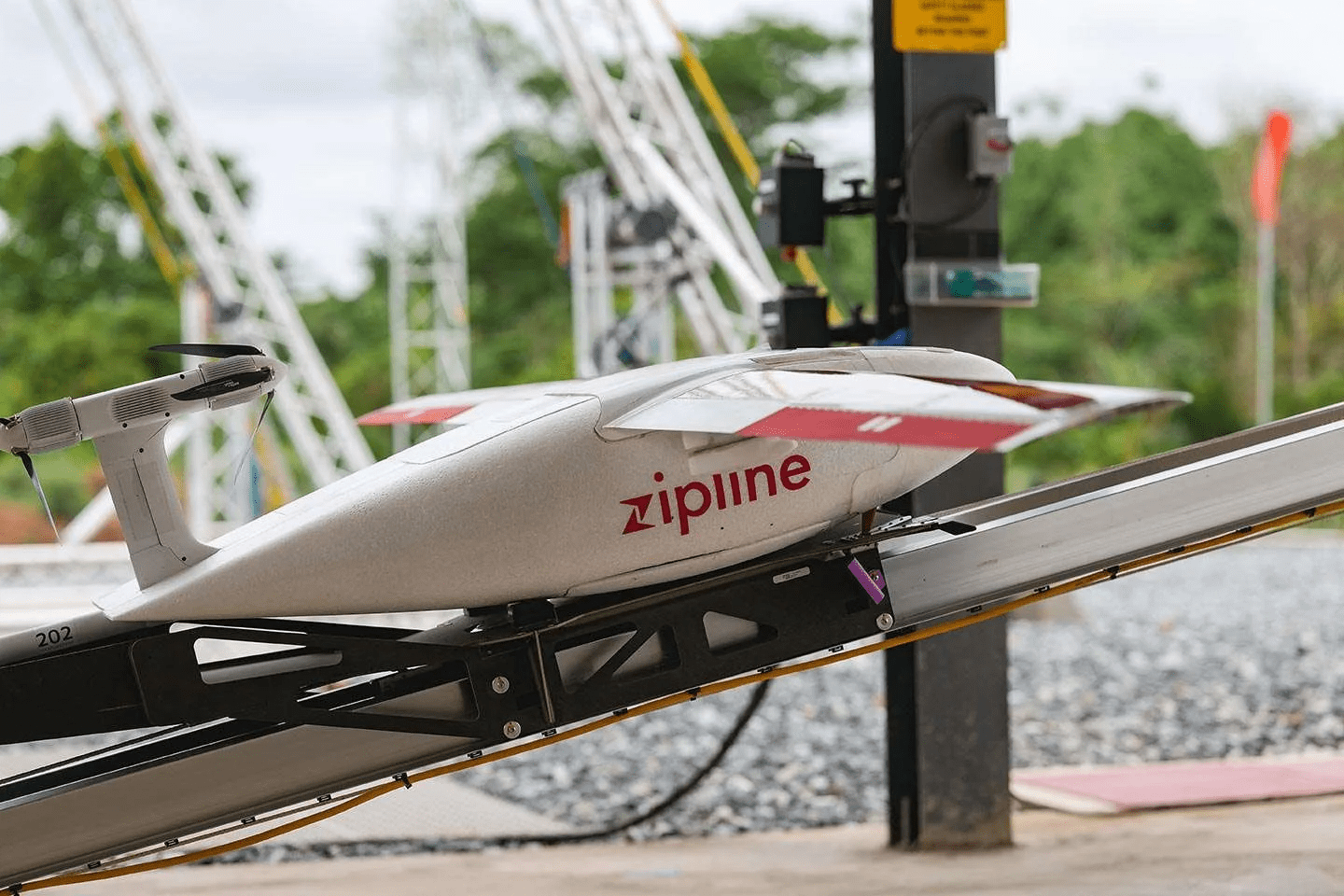
For Zipline, the findings deepen the company’s relevance beyond healthcare delivery. The company operates one of the world’s largest autonomous drone delivery networks and has become a key part of Ghana’s emergency medical logistics system.
Its drones transport blood products, vaccines, medicines and other medical supplies to hard-to-reach health facilities, helping reduce delays and improve service reliability.
But the study suggests that the company’s physical presence in rural communities may also be reshaping local economies.
This could influence how governments, donors and investors think about digital infrastructure.
If drone hubs can deliver health supplies while also raising local incomes and stimulating economic activity, then their development value becomes wider than previously assumed.
The findings also align with Ghana’s broader interest in digitalisation, inclusive growth and technology-driven development.
The policy challenge will be to ensure that such gains are sustained and spread.
This requires local hiring, skills development, supplier participation, infrastructure linkages and coordination with district assemblies, health authorities and community leaders.
It also requires careful measurement. As drone networks expand, policymakers will need more evidence on job creation, household income effects, service delivery outcomes and long-term economic impact. For now, the Walewale evidence provides a compelling signal.
Technology infrastructure placed in rural areas can do more than solve a single service delivery problem. It can create economic energy around it.
The lesson is particularly relevant for communities that have historically been left behind by traditional infrastructure models.
Drone logistics may have entered Ghana’s development story through healthcare, but its economic footprint is now becoming harder to ignore.
If the findings are sustained across other hubs, Zipline’s network could become an example of how innovation-led infrastructure can support both public service delivery and local economic transformation.

