

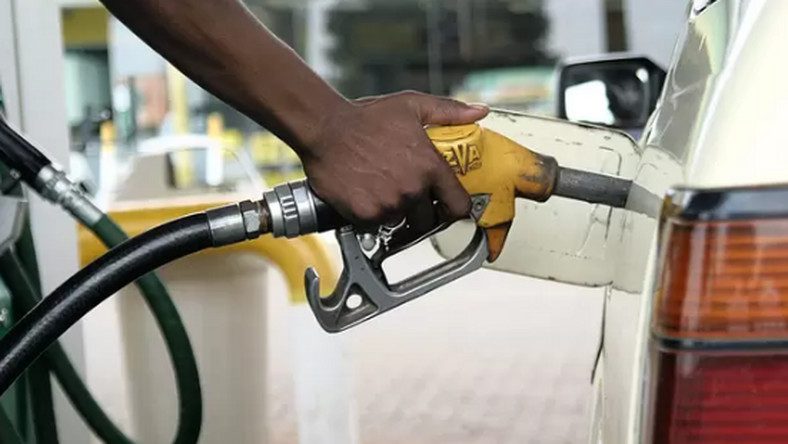

- Petrol, Diesel And LPG Prices Fall From Today at the Pump
Fuel price reductions are expected to begin at the pumps today, July 1, after the National Petroleum Authority lowered the July price floors for petrol, diesel and liquefied petroleum gas, reflecting the recent decline in global crude oil prices.
The latest adjustment is expected to provide relief to motorists, commercial transport operators, households and businesses after months of pressure from elevated fuel and energy costs.
According to the new pricing indications, petrol has recorded a 4.50% reduction, bringing its floor price to GH¢12.79 per litre, while diesel has declined by 10.40% to GH¢13.54 per litre.
Liquefied petroleum gas recorded the sharpest decline among the major petroleum products, falling by 23.60% from GH¢13.23 per kilogramme to GH¢10.11 per kilogramme.
The reductions come as international crude oil prices ease to around US$70.00 per barrel, following a reduction in geopolitical risk premiums after recent tensions in the Middle East.
The downward movement in crude prices has helped lower the cost of refined petroleum products, creating room for price relief in Ghana’s deregulated downstream petroleum market.
For consumers, the immediate expectation is that oil marketing companies will reflect the new price direction quickly at the pumps during the first pricing window of July.
The reduction in petrol prices is expected to ease pressure on private motorists and commercial drivers, while the sharper fall in diesel prices could have a wider impact across the economy.
Diesel remains a major input for haulage, logistics, agriculture, construction, manufacturing, mining support services and backup power generation. A meaningful reduction in diesel prices could therefore lower operating costs for businesses that depend heavily on transport and energy-intensive activity.
The fall in LPG prices is likely to be particularly important for households. LPG is a major cooking fuel for many urban and peri-urban families, and a 23.60% reduction could ease household energy costs if the adjustment is passed on fully at cylinder exchange points and retail outlets.
Lower LPG prices could also support Ghana’s clean cooking agenda by making gas more affordable relative to charcoal and firewood, especially at a time when household budgets remain sensitive to food, transport and utility costs.
However, the reduction in the price floor does not automatically guarantee an identical drop in retail prices across all outlets.
The price floor represents the minimum allowable benchmark within the pricing window. The actual prices consumers pay will depend on the pricing decisions of oil marketing companies, competition within specific locations, existing stock levels, distribution costs and margins.
This means consumers may see different pump prices across stations, even though the overall direction of prices is expected to be downward.
The latest price cut also has broader inflation implications. Fuel prices feed directly into transport fares and indirectly into food prices, distribution costs and general business expenses.
If transport operators, logistics companies and traders pass on part of the savings, the reduction could help moderate inflationary pressures in the short term.
The impact, however, will depend on how quickly the fuel price cuts are transmitted through the economy. In Ghana, transport fares and goods prices often adjust upward faster than they decline, making pass-through to consumers a key issue.
For businesses, the lower fuel prices could improve margins, reduce delivery costs and ease working capital pressures. Small businesses that rely on generators, delivery services or commercial transport could benefit from the combined decline in petrol, diesel and LPG prices.
The latest price movement also comes at a time when Ghana is seeking to sustain macroeconomic stability and protect consumer purchasing power. A stronger domestic price environment, supported by lower fuel costs, could reinforce recent gains in inflation management if global oil prices remain subdued.
Still, the outlook remains vulnerable. Crude oil prices can reverse quickly if geopolitical tensions intensify, especially in the Middle East, or if global supply conditions tighten.
That means the relief beginning today may depend on whether international oil prices remain stable and whether the cedi avoids renewed depreciation against the US dollar in the coming pricing windows.
For now, the July 1 adjustment offers a rare moment of relief for consumers.
The National Petroleum Authority’s downward pricing signal is clear. Petrol, diesel and LPG are all expected to cost less from today, with LPG delivering the biggest reduction.
The real test will be whether oil marketing companies pass the cuts on fully and whether lower fuel prices translate into reduced transport, logistics and household energy costs.
For Ghanaian consumers, the expectation is straightforward: the relief signalled by the regulator should be felt not only in the pricing formula, but at the pump, at the LPG filling point and eventually in the cost of moving people, food and goods across the country.

