

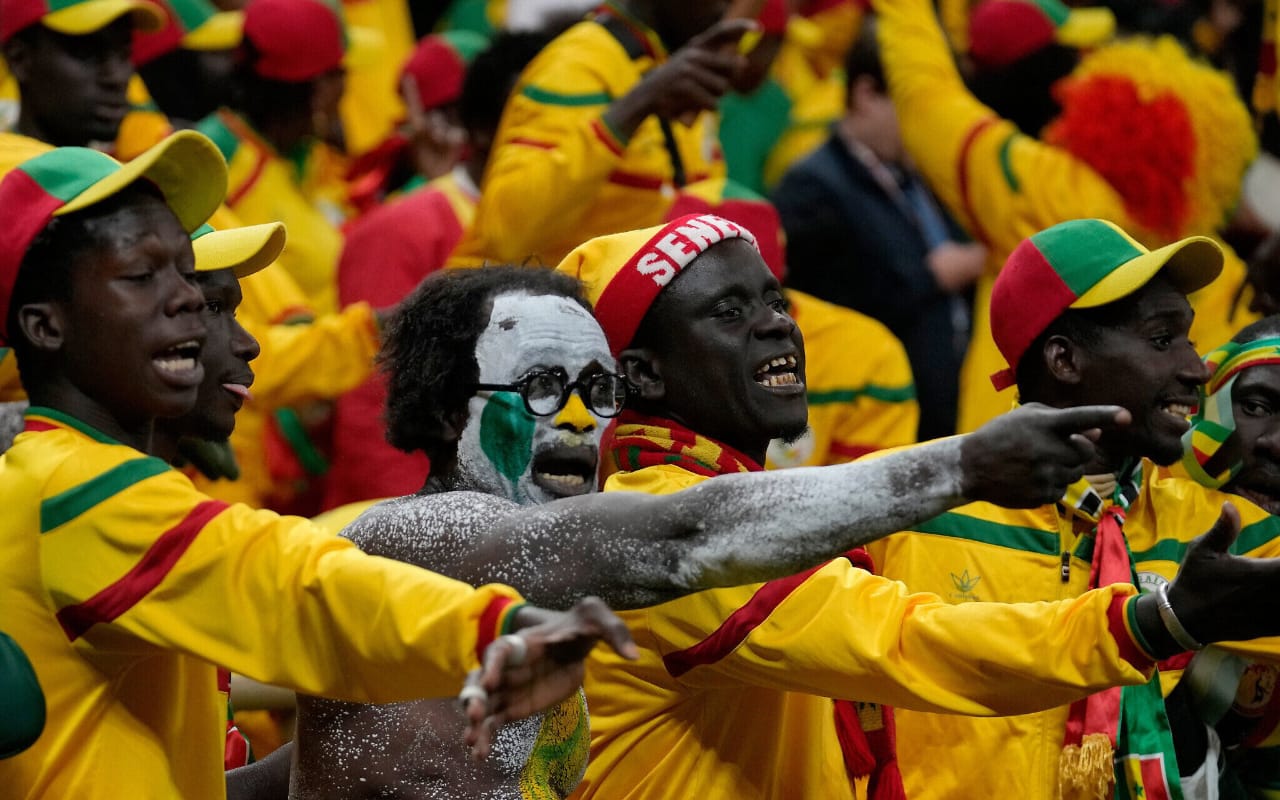

AFCON Final Fallout Strains Senegal-Morocco Ties Amid Ongoing Title Dispute
Longstanding diplomatic and cultural ties between Senegal and Morocco have come under unexpected pressure following the controversial conclusion of the Africa Cup of Nations final earlier this year.
What was initially a moment of celebration for Senegal in mid-January has since spiralled into a complex dispute after the Confederation of African Football (CAF) stripped the West African nation of the title and awarded it to Morocco. The decision, announced on March 17, has ignited tensions between the two nations, both on and off the pitch.
The controversy stems from Senegal’s dramatic walk-off during the closing moments of the final after a late penalty was awarded to Morocco. The incident, which halted play for nearly 20 minutes, ultimately led to CAF’s ruling against Senegal, citing misconduct.
In the Senegalese capital Dakar, the aftermath has been palpable. Security has been heightened in areas such as Rue Mohamed V, home to many Moroccan traders, though authorities report no major incidents so far.
Despite the ruling, Senegal have refused to back down. President Bassirou Diomaye Faye was seen with the AFCON trophy in his office shortly after the decision, symbolising the country’s defiance. The government has also filed an appeal with the Court of Arbitration for Sport, seeking to overturn CAF’s verdict.
Public reaction has been intense, with some Senegalese citizens calling for a boycott of Moroccan goods, while officials have gone further by demanding an international investigation into alleged corruption within Confederation of African Football. These claims have been firmly rejected on the Moroccan side, with officials warning that such accusations risk damaging bilateral relations.
The situation has been further complicated by the continued detention of 18 Senegalese supporters in Morocco. Arrested during the final for hooliganism after attempting to storm the pitch, they were handed prison sentences ranging from three months to a year.
Their case has become a rallying point in Senegal, with protests held in Dakar calling for their release and some demonstrators describing them as “hostages.” Senegalese Prime Minister Ousmane Sonko expressed concern that the dispute has moved beyond football, calling the situation “regrettable” given the deep-rooted friendship between the two nations.
An appeal hearing for the detained fans has been postponed until April 13, prolonging uncertainty and further fuelling public emotion.
Despite the current strain, both countries share a historically strong relationship that extends beyond sport. Religious, cultural, and economic links have long connected Dakar and Rabat, with Morocco serving as a key destination for Senegalese pilgrims, particularly followers of the Tijaniyya brotherhood.
Economic cooperation also remains significant, with Moroccan investments in Senegal exceeding $540 million across sectors such as banking, energy, and construction. Senegalese nationals also represent the largest foreign community in Morocco, highlighting the depth of people-to-people connections.
Analysts and officials on both sides have urged calm, warning against misinformation and inflammatory rhetoric. Prominent voices have emphasised that decades—if not centuries—of cooperation should not be undone by a single football controversy.

