


- Assala brings Grand N’Gongui on stream as Gabon bets on phased production growth
Assala Gabon has announced first oil from the Grand N’Gongui field, marking the start of production from a project the company says could become an important contributor to Gabon’s upstream output as it advances a phased development plan.
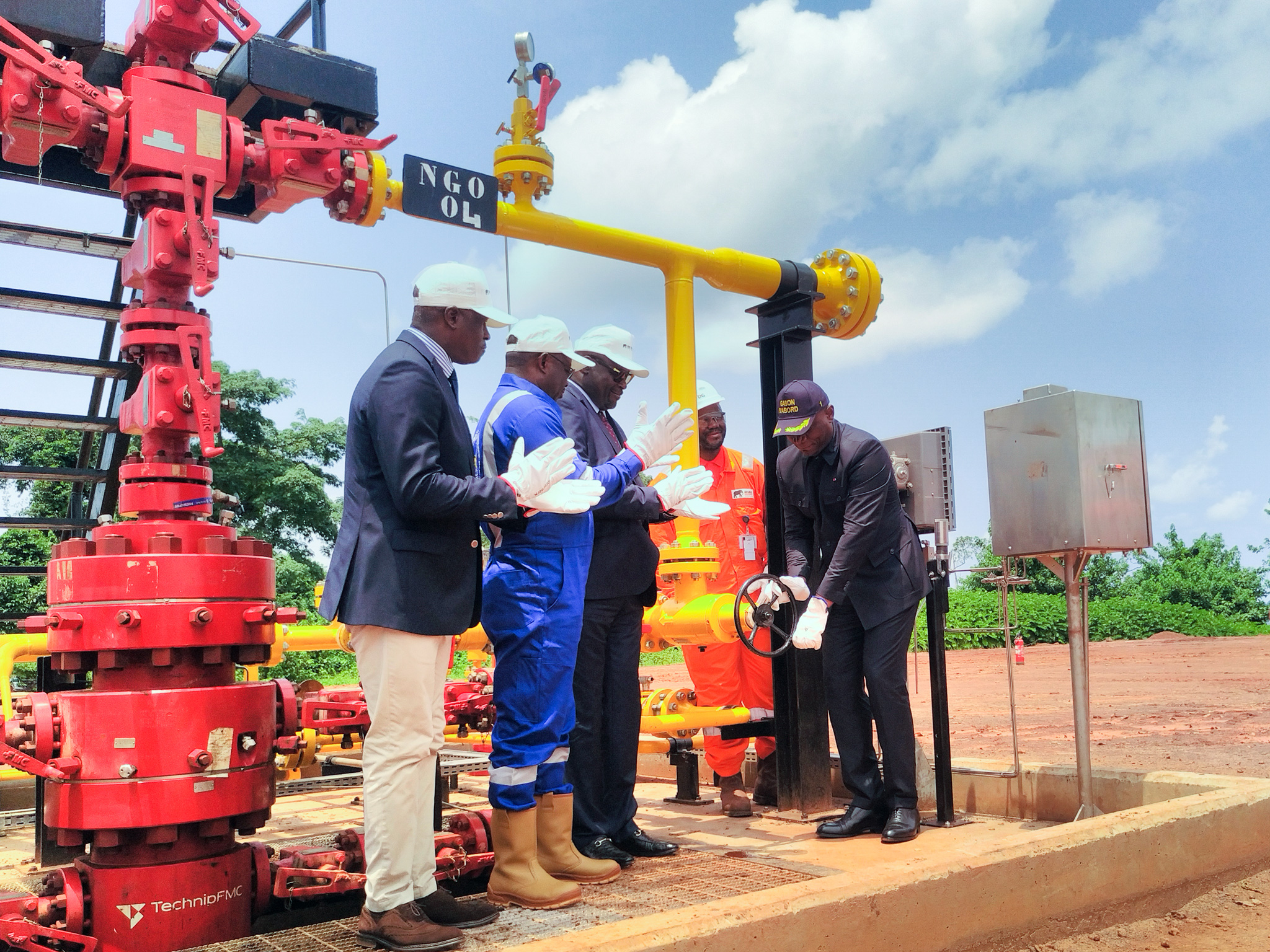
The company said the milestone was marked by an inauguration ceremony presided over by the President of the Gabonese Republic, alongside senior government officials, local authorities and shareholders. For Assala, the start-up represents the conversion of a long-studied asset into a producing field after years of appraisal work by successive operators.
According to the company, Grand N’Gongui has been evaluated over several decades, but momentum accelerated after what it described as a “key breakthrough” in 2022 with the drilling of the NG-3 well. Assala said it completed the appraisal programme in 2025 and is now moving ahead with a phased development backed by a recently approved 60-well programme.
The field contains a 10 to 15 metre oil rim within the Gamba Formation and holds as much as 350 million stock tank barrels of oil initially in place, according to the company. Assala said the development is expected to deliver peak production of more than 10,000 barrels of oil a day through a phased approach intended to reduce subsurface uncertainty and improve long-term recovery.
In a statement, Edgar Mba Ognane, Managing Director of Assala Gabon, said: “Grand N’Gongui represents a major milestone for Assala: it strengthens our role as an operator, reinforces our expertise, and opens new avenues for growth.” He added: “Above all, this collective achievement reflects the remarkable commitment of our teams, the strategic support of our shareholders, and the continued trust of the national authorities.”
The company said the project was delivered within 12 months from engineering to completion and start-up, despite what it described as challenging operating conditions. Assala said execution required engineering and procurement activities to move simultaneously, alongside continuous design adjustments and mitigation measures to manage significant supply-chain constraints.
It also pointed to the logistical complexity of the development, which spanned multiple regions and required pipeline technologies suited to a lagoon environment, as well as tailored installation solutions. The safe and timely delivery of the project, the company said, reflected close collaboration between its teams in Gabon and the UK, both in the field and in office-based functions.
Beyond the production milestone, the start-up of Grand N’Gongui carries strategic importance for Gabon’s oil sector, where mature fields and the need for disciplined reinvestment continue to shape the production outlook. Assala described the field as “an important step in the continued development of Gabon’s energy resources”, adding that the project was being advanced with a disciplined approach to health, safety, security and environment, environmental stewardship, operational integrity and compliance with industry standards.
Assala, which is wholly owned by the Gabon Oil Company, said it would continue to work closely with the Gabonese authorities, the national oil company and other stakeholders as it proceeds with the phased implementation of the approved development plan. The company described itself as one of Gabon’s leading oil producers and said it is pursuing responsible exploration and production activities aimed at supporting national output and the sustainable development of the country’s hydrocarbon resources.

