


- Bank of Ghana Eyes Technology-Driven Financing Channels for SMEs
The Bank of Ghana is exploring the use of digital platforms to make it easier for small businesses and individuals to raise capital through mobile phones, as the central bank looks to deepen financial inclusion and support entrepreneurship.
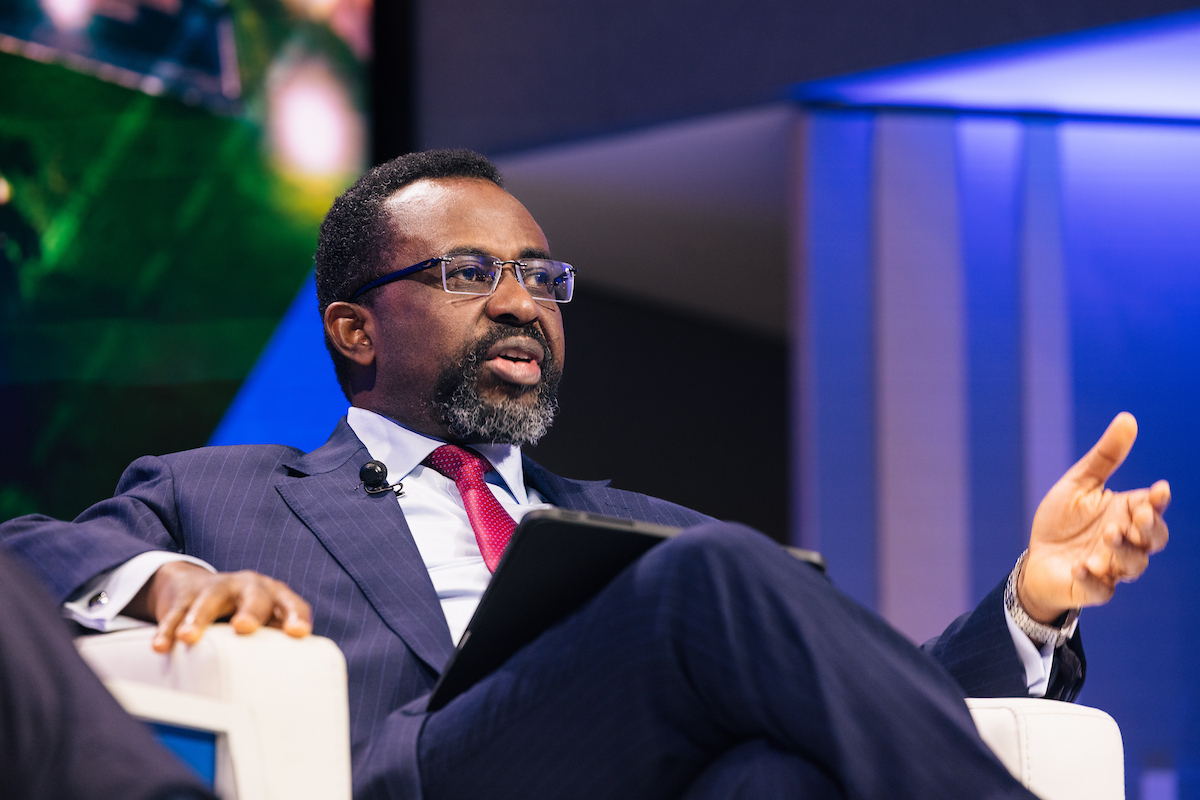
Governor of the Bank of Ghana, Dr Johnson Pandit Asiama, disclosed the initiative at the Ghana-UK Investment Summit 2026 in London, saying the central bank is working on technological solutions that could broaden access to financing beyond traditional banking channels.
According to Dr Asiama, the vision is to create a system that allows micro and small-scale entrepreneurs to mobilise funds directly through digital platforms.
“It should be possible for someone to raise amounts on their phones, and possible for a waakye seller who needs some GH¢20,000 to go on the phone and raise that capital. We are working on the technology side of things,” he said.
The Governor said expanding access to finance remains a critical part of Ghana’s economic transformation agenda, particularly for small and medium-sized enterprises, which remain central to job creation, household incomes and local business growth.
He noted that advances in financial technology are creating new opportunities for businesses to connect with investors and access funding more efficiently.
Digital financial solutions, he said, could help bridge longstanding financing gaps that have constrained the growth of many small enterprises.
The proposal comes at a time when many small businesses continue to struggle with access to affordable credit from banks, even as interest rates have declined sharply and macroeconomic conditions have improved.
For small traders, artisans, food vendors and informal enterprises, conventional bank loans often remain difficult to access because of collateral requirements, documentation challenges, credit history gaps and the perceived risk of lending to small businesses.
A well-regulated digital fundraising platform could therefore provide an alternative channel for businesses that need modest capital to restock, expand production, buy equipment or support working capital.
Any such system would require strong investor protection rules, reliable identity verification, credit-risk assessment, anti-fraud safeguards, data protection, transparent disclosure standards and clear accountability for platform operators.
For the Bank of Ghana, the opportunity is to use technology not only to expand financial inclusion, but also to connect domestic savings more directly to productive small businesses.
If implemented well, the initiative could help shift capital from passive savings into enterprise growth, supporting jobs and productivity at the lower end of the economy.
If poorly designed, however, it could expose vulnerable savers and small businesses to fraud, weak governance and unregulated fundraising risks.
The broader message from the Governor is that Ghana’s next phase of financial inclusion must go beyond mobile money transactions and digital payments. It must also help businesses raise the capital they need to grow.
For the waakye seller, the trader, the mechanic and the small manufacturer, the promise is simple: access to finance should not depend only on walking into a bank branch. It should increasingly be possible through a phone, a trusted digital platform and a properly regulated financial system.

