

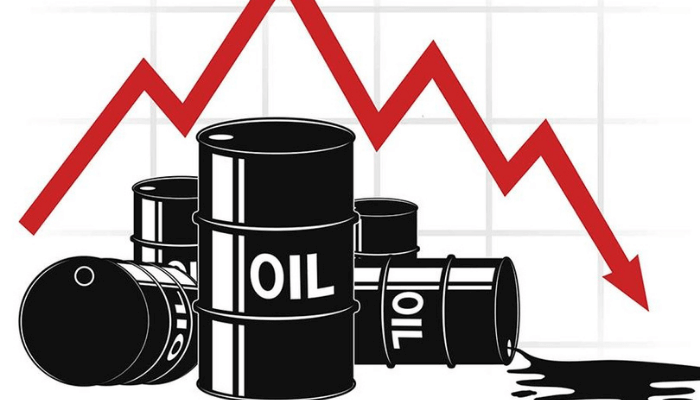

- Brent Falls to US$76.71 as Middle East Supply Risk Premium Fades
Oil prices extended their decline on Wednesday, falling toward near four-month lows as markets priced in expectations of smoother crude flows through the Strait of Hormuz following signs of easing tensions around one of the world’s most important energy chokepoints.
Brent crude fell 0.50% to US$76.71 a barrel, while U.S. West Texas Intermediate declined to US$72.85, extending losses after both benchmarks dropped nearly 1.00% in the previous session.
The retreat reflects a sharp unwinding of the geopolitical risk premium that had built up during recent tensions involving Iran and the wider Middle East. Traders are now reassessing supply risks as signs emerge that crude shipments through the Strait of Hormuz may continue to normalise.
The Strait of Hormuz is critical to global energy markets because a substantial share of the world’s seaborne oil trade passes through the narrow waterway. Any disruption to tanker movement through the route can quickly unsettle crude prices, raise shipping costs and fuel inflation concerns across importing economies.
For oil-importing countries, including Ghana, softer crude prices could provide some relief if sustained. Lower international oil prices can ease pressure on fuel import bills, inflation, transport costs and foreign exchange demand, although the final impact depends on exchange rate movements, domestic pricing formulas, taxes and distribution costs.
The latest decline suggests that markets are increasingly looking beyond the immediate shock from the Iran-related tensions and focusing instead on the pace at which supply flows can return to normal.
According to Reuters, signs that crude shipments through Hormuz may resume more smoothly after disruptions linked to the Iran conflict helped push prices lower. The report noted that easing U.S.-Iran tensions, including a 60-day sanctions waiver from Washington and progress in peace discussions, contributed to the downward pressure on prices.
Some supertankers have reportedly begun moving through the region with coordination from Iran’s military, reinforcing expectations that the worst of the supply disruption may be easing.
Still, the market remains far from fully settled.
Oil prices are highly sensitive to even small changes in Middle East security conditions. A fresh flare-up, renewed restrictions, higher insurance costs or delays in clearing tanker backlogs could quickly reverse the current price slide.
Analysts have warned that restoring flows through the Strait of Hormuz may take time, even if the geopolitical situation improves. Shipping logistics, storage constraints, insurance requirements and vessel availability can slow the return to pre-crisis export levels.
Reuters also reported that although some movement has resumed, uncertainty remains over how quickly Middle Eastern oil exports will normalise.
This uncertainty explains why oil has not collapsed further despite the easing of immediate supply fears. The market is no longer pricing the worst-case scenario of prolonged disruption, but it is not yet treating the situation as fully normal.
The shift in prices also shows how quickly commodity markets respond to changes in geopolitical expectations.
When traders fear disruption in a major supply route, crude prices rise because buyers price in scarcity, shipping risk and possible delays. When those risks ease, the premium comes out of the market.
The decline has also been supported by weaker-than-expected U.S. inventory data. The American Petroleum Institute reportedly showed U.S. crude stocks falling by 765,000 barrels, far below market expectations for a 4.50 million-barrel draw.
A smaller-than-expected inventory draw can suggest that demand is not as strong as anticipated or that supply conditions remain more comfortable than feared.
For consuming economies, falling oil prices can be positive. They can reduce import costs, lower pressure on pump prices and improve the inflation outlook.
For producing countries, however, lower prices can weaken export receipts and fiscal revenues, particularly where budgets rely heavily on crude earnings.
Oil importers such as Ghana, Kenya and many smaller economies may benefit from lower global crude prices if the decline translates into cheaper fuel and lower transport costs.
Oil exporters such as Nigeria and Angola may face revenue pressure if prices continue to fall, especially where production challenges and fiscal needs remain significant.
For Ghana, the key issue will be whether the decline is sustained long enough to influence domestic fuel pricing. Local pump prices are affected not only by international oil prices but also by the cedi exchange rate, taxes, levies, margins and pricing windows.
If crude prices continue falling and the exchange rate remains relatively stable, Ghanaian consumers and businesses could eventually see some easing in fuel-related costs.
That would be important for transport operators, manufacturers, farmers, traders and households, given the role fuel plays in moving goods and shaping prices across the economy.
However, policymakers will be cautious. The Middle East remains volatile, and the oil market can shift quickly.
A temporary decline in crude prices does not guarantee a sustained reduction in energy costs.
The latest price movement also comes after a period of significant volatility. Reuters reported earlier that Brent had fallen sharply as signs emerged of an interim arrangement to ease tensions and reopen the Strait of Hormuz, after prices had previously surged on fears of supply disruption.
Oil prices are now being driven less by current physical shortage and more by expectations of whether supply routes remain open, whether diplomatic talks hold and whether tanker traffic can normalise without new restrictions.
For investors, the immediate signal is that the geopolitical risk premium is fading.
For governments, the message is more practical: energy security remains vulnerable to chokepoints far outside domestic control.
For businesses, especially those exposed to transport and fuel costs, the decline offers hope but not certainty.
The direction of prices in the coming days will depend on three main factors: whether tanker flows through Hormuz continue to improve, whether U.S.-Iran tensions remain contained, and whether inventory data confirms a balanced supply-demand picture.
For now, crude markets are breathing easier. But the Strait of Hormuz remains the pressure point to watch.
As long as global oil supply depends heavily on that narrow passage, peace in the market will remain only as strong as the next signal from the Gulf.

