

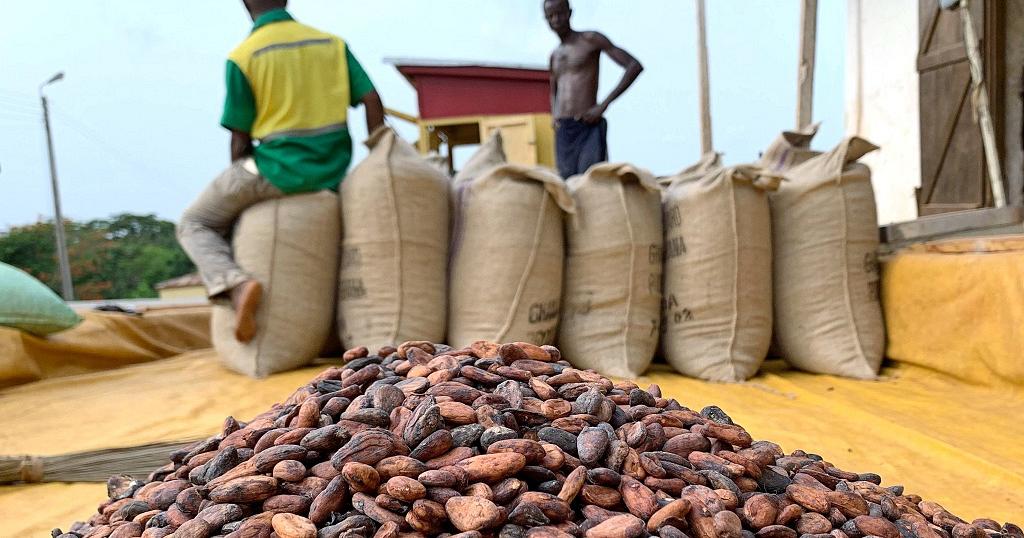

- COCOBOD Clears GH¢162 million Debt to Non-DDEP Cocoa Bill Holders
The Ghana Cocoa Board has settled GH¢162 million in outstanding obligations owed to individual Cocoa Bill holders who did not participate in the government’s Domestic Debt Exchange Programme, in a move aimed at restoring investor confidence and easing one of the lingering debt concerns around the cocoa sector.
COCOBOD said the payment represents full settlement of amounts owed to the affected non-DDEP Cocoa Bill investors, whose payments remained outstanding after the implementation of the debt exchange in 2023.
The Board said the payment forms part of its commitment to honour all legitimate debts owed to investors, adding that the outstanding obligations had now been fully settled.
“The Board has now fully settled these obligations as part of its commitment to honour all legitimate debts,” COCOBOD said in a statement released on Wednesday, July 15.
The settlement is significant because Cocoa Bills have historically served as an important short-term financing instrument for Ghana’s cocoa purchases and sector operations. Delays in payment to some individual holders after the DDEP raised concerns about investor trust, liquidity management and the broader financial position of COCOBOD.
According to COCOBOD, the affected investors were those who opted not to participate in the Domestic Debt Exchange Programme but whose payments could not be made earlier because of the Board’s financial constraints.
The Board has now advised beneficiaries to contact their respective fund managers to access their payments.
For the cocoa industry, the payment goes beyond the GH¢162 million figure. It is also a signal to the market that COCOBOD is attempting to clean up legacy obligations and rebuild credibility with investors, particularly at a time when the institution is under pressure to stabilise its finances and support cocoa production.
The delayed payments had placed affected investors in a difficult position, especially individual holders who had expected repayment outside the DDEP process. By completing the settlement, COCOBOD is seeking to draw a line under that specific category of arrears and reduce uncertainty around its short-term obligations.
COCOBOD also expressed appreciation to the affected investors for their patience and understanding during the period of delayed payment. It further reiterated its commitment to restoring confidence, strengthening its financial position and ensuring the long-term sustainability of Ghana’s cocoa industry.
The statement comes at a sensitive moment for the cocoa sector. Ghana’s cocoa industry remains one of the country’s most important foreign exchange earners and a major source of rural livelihoods, but the sector has faced pressures from financing constraints, production challenges, illegal mining, climate-related risks and the need to improve farmer incomes.
For years, COCOBOD has relied on borrowing and market instruments to support cocoa purchases and industry operations. That model has increasingly come under scrutiny as debt-service pressures and sector arrears have exposed weaknesses in the financing architecture of the cocoa economy.
The settlement of non-DDEP Cocoa Bill holders therefore represents an important confidence-building step, but it does not eliminate the need for broader financial reforms within the cocoa sector. Investors, farmers, licensed buying companies and industry watchers will still be looking for clearer signs that COCOBOD can sustainably finance its operations without accumulating new arrears.
The key issue is whether this payment marks the beginning of a stronger liquidity and debt-management posture or simply the settlement of one isolated obligation.
If COCOBOD is able to maintain discipline, improve transparency and honour future commitments on time, the GH¢162 million payment could help restore trust in cocoa-related instruments. But if other arrears persist or new delays emerge, confidence could remain fragile.
For now, the Board’s message is that the affected investors have been paid in full and that it remains committed to meeting legitimate obligations.
That is an important signal for a sector where trust is central trust from farmers who supply the beans, buyers who finance purchases, investors who provide liquidity and markets that depend on Ghana’s ability to deliver cocoa reliably.
COCOBOD’s latest payment may not solve all the financial challenges facing the cocoa industry, but it removes one pressure point and gives the Board an opportunity to reset relations with a group of investors caught in the aftermath of Ghana’s debt restructuring.

