


- Damang’s 12.1 million-Tonne Extraction Strengthens Mine’s Case For 15-Year Future
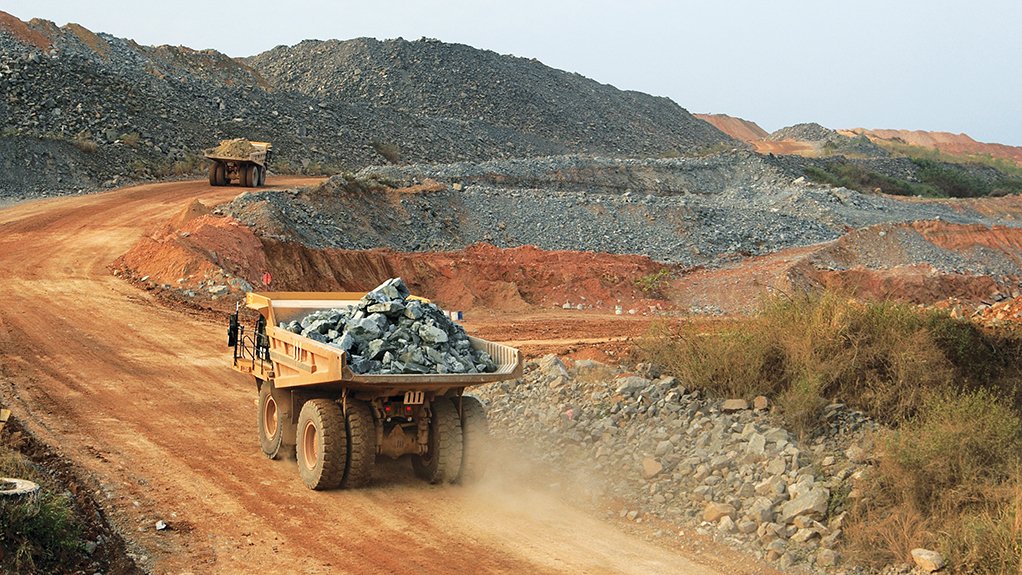
Damang Gold Mine’s new operator has presented its first substantial evidence that the asset is not merely processing inherited stockpiles, reporting that approximately 12.1 million tonnes of material were extracted between April and September 2026 and that freshly mined material now supplies 60 per cent of the processing plant’s feed.
The operational figures, combined with an engineer’s assessment that Damang could remain productive for at least another 15 years with sufficient investment, seek to recast the debate around the mine. The central question is moving from whether mining is continuing to whether the present activity can be converted into a technically proven, financially sustainable long-term plan.
Frank Dankyi Agyei, the mine’s Manager in charge of Mining, said operations commenced officially on April 19 under Engineers and Planners. The company extracted 647,821 tonnes by the end of April, followed by 1.4 million tonnes in May and 1.6 million tonnes in June.
Monthly extraction increased to two million tonnes in July, reached 3.45 million tonnes in August and stood at three million tonnes in September. Taken together, the reported volumes amount to 12,097,821 tonnes over the six-month period.
“This demonstrates that we are not relenting in our efforts to improve production,” Mr Agyei said during a special edition of Asempa FM’s Ekosiisen programme in Tarkwa.
The progression in monthly volumes suggests a rapid operational ramp-up after the April transfer. August production was more than five times the partial-month April figure and more than double the May level. September’s slight moderation from the August peak still left activity substantially above the earlier months.
However, tonnes moved should not be confused with gold produced or revenue generated. The reported 12.1 million tonnes cover “material”, which in mining can include ore and waste removed to access mineralised zones. A complete assessment requires the ore component, grade, strip ratio, recovery rate, plant throughput, gold output and operating cost per ounce.
The plant-feed disclosure is therefore particularly important. According to Mr Agyei, fresh material transported from active pits accounts for roughly 60 per cent of feed, while existing stockpiles contribute 40 per cent. That directly challenges suggestions that current operations depend entirely on material mined before the ownership transition.
Yet stockpile processing is not inherently evidence of inactivity or poor management. Mines routinely blend fresh ore with stockpiled material to optimise grade, recovery and plant performance. The relevant issue is whether new mining is replacing depleted stocks and creating an economic feed profile that can be sustained.
The 60-40 split supports the argument that Damang is actively mining, but it does not by itself establish the life of the operation. A 15-year future must be grounded in geological reserves, mine planning, capital requirements, permitting, commodity-price assumptions and rehabilitation obligations.
Mechanical engineer and certified inspecting engineer Obed Asamoah expressed confidence that this longer future was achievable.
“Based on my own limited findings, Damang Gold Mine can continue operating for the next 15 years and beyond. The mine has a future, so we should be confident,” he said.
The phrase “limited findings” deserves attention. It shows that the statement is an informed operational opinion, not necessarily a formal declaration of mineral reserves compliant with recognised reporting standards. Investors, regulators and the public will require a detailed technical assessment before treating 15 years as an established mine life.
Such work must specify economically recoverable ounces rather than geological possibility alone. Gold may exist underground but remain uneconomic if it requires excessive waste removal, complex processing or capital spending. Higher gold prices can improve project economics, while cost inflation, declining grades and operational disruptions can weaken them.
Mr Asamoah said the essential change at Damang was the investor, arguing that the previous operator had primarily supplied capital and that adequate investment remained the decisive requirement.
“All we need is the money to invest,” he said.
Capital is unquestionably necessary, but money alone will not guarantee success. Damang also needs technical discipline, experienced management, reliable equipment, robust safety systems and transparent governance. Investment must be directed by a mine plan that balances near-term production with development of future ore sources.
The mine’s transfer carries wider significance because Engineers and Planners is Ghanaian-owned. Mr Asamoah acknowledged that he initially doubted whether a local operator could manage the asset but later changed his view.
“I realised that the black man is capable of managing his own affairs,” he said.
That confidence will resonate with advocates of greater Ghanaian participation in mining. But local ownership should not lower the standard by which performance is judged. The strongest case for domestic operators will come from safe production, environmental compliance, transparent finances, fair treatment of workers and measurable benefits for host communities.
Damang was transferred after Gold Fields’ lease expired and the government subjected the concession to a competitive tender supervised by the Minerals Commission. The transition consequently remains a test of the state’s ability to reallocate a strategic mineral asset while preserving production, employment and regulatory credibility.
For government, the immediate production figures are politically useful, but oversight must extend beyond celebrating tonnage. Authorities should require independently verified reporting on gold output, royalties, taxes, employment, procurement, environmental performance and investment commitments.
For surrounding communities, a longer mine life could mean sustained employment, business opportunities and development funding. It also extends exposure to land disturbance, blasting, water risks and eventual closure liabilities. Any 15-year plan must therefore integrate community agreements and fully funded rehabilitation from the beginning.
The evidence so far supports a narrower conclusion: Damang is undertaking fresh mining at increasing scale, and its plant is not relying solely on inherited stockpiles. That is operational progress. Whether it proves a 15-year future depends on what lies beneath the tonnage numbers.
Engineers and Planners must now ultimately convert momentum into disclosure: a credible reserve statement, long-term mine plan, capital programme and measurable public obligations. If those foundations are established, Damang could become an important demonstration that Ghanaian ownership can preserve and extend a major mining asset. Without them, confidence will remain a promising claim awaiting technical proof.

