


Deputy Trade Minister Calls for Coordinated Action to Address Bottlenecks in Ghana’s Trade System
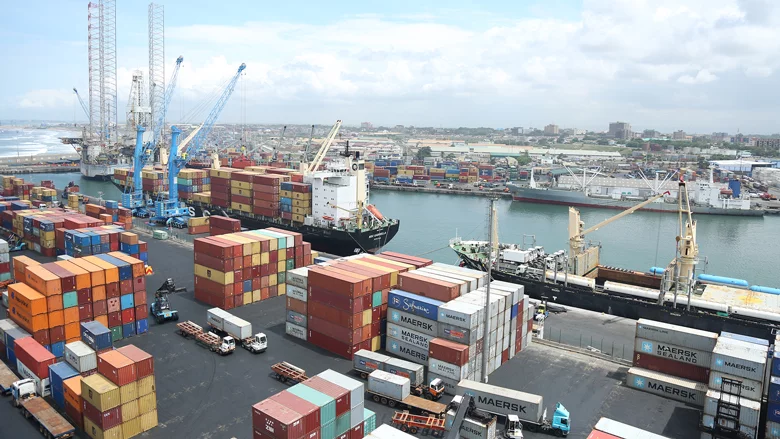
Deputy Minister for Trade, Agribusiness and Industry, Sampson Ahi, has urged stronger collaboration among state institutions to address long-standing bottlenecks in Ghana’s trading system that continue to slow the movement of goods and increase the cost of doing business.
According to him, inefficiencies at ports, border points and within the cargo clearance process impose significant financial strain on importers, exporters and manufacturers, costs which are eventually transferred to consumers.
Mr Ahi made the call while addressing participants at the opening of the 2026 first-quarter meeting of the National Trade Facilitation Committee (NTFC) held at the Sogakope Beach Resort on Monday, March 9, 2026.
He explained that persistent delays in the trade process compel importers to incur additional charges, while exporters risk missing critical delivery timelines. Manufacturers that depend on imported inputs, he added, also face disruptions that can affect production schedules.
“For traders dealing in perishable goods, delay is not an inconvenience to be managed later. It is a direct threat to income, market access and business survival,” he stated, noting that avoidable delays can quickly erode the value of goods and damage relationships with buyers.
Mr Ahi emphasised that the work of the NTFC remains essential to improving the efficiency of Ghana’s trade systems and strengthening investor confidence in the country’s trading environment.
The Committee comprises representatives from government ministries, departments and agencies, as well as the private sector and development partners, working together to address operational challenges affecting trade. It also forms part of Ghana’s obligations under the World Trade Organization Trade Facilitation Agreement, which requires member states to establish national committees to coordinate reforms aimed at improving trade procedures.
While acknowledging that progress has been made in streamlining procedures and enhancing coordination among relevant agencies, the Deputy Minister conceded that issues such as delays, duplication of processes and uncertainty still persist within parts of the trade clearance system.
He stressed that government’s agenda to boost production, expand exports and attract investment must be supported by efficient and predictable trade processes that enable businesses to operate more effectively.
“The business community does not judge government only by the policies we announce,” Mr Ahi noted.
“It is judged by how our systems behave, the time it takes to clear goods, the predictability of procedures and how well institutions work together.”
He further indicated that the Committee would prioritise the development of a coordinated action plan to improve the movement of perishable goods including fresh produce, fish and meat, which are particularly vulnerable to clearance delays.
Mr Ahi therefore urged members of the Committee to focus on practical reforms by identifying operational bottlenecks, assigning clear responsibilities to the relevant institutions and agreeing on timelines for implementation.
He also assured participants that the Ministry of Trade, Agribusiness and Industry will continue to support initiatives aimed at improving trade procedures, reducing administrative delays and creating a more efficient and predictable trading environment for businesses.
Also speaking at the meeting, the Country Director of TradeMark Africa, Frank Matsaert, underscored the importance of strong trade facilitation systems in enhancing Ghana’s competitiveness and promoting cross-border trade.
He explained that efficient trade processes help lower transaction costs, improve transparency and strengthen a country’s participation in regional and global markets.
Mr Matsaert further reaffirmed the organisation’s commitment to supporting Ghana’s efforts to implement practical reforms aimed at improving coordination among border agencies, simplifying procedures and enabling faster clearance of goods.
He added that particular attention must be given to sectors dealing in perishable products, where clearance delays can result in significant financial losses.

