

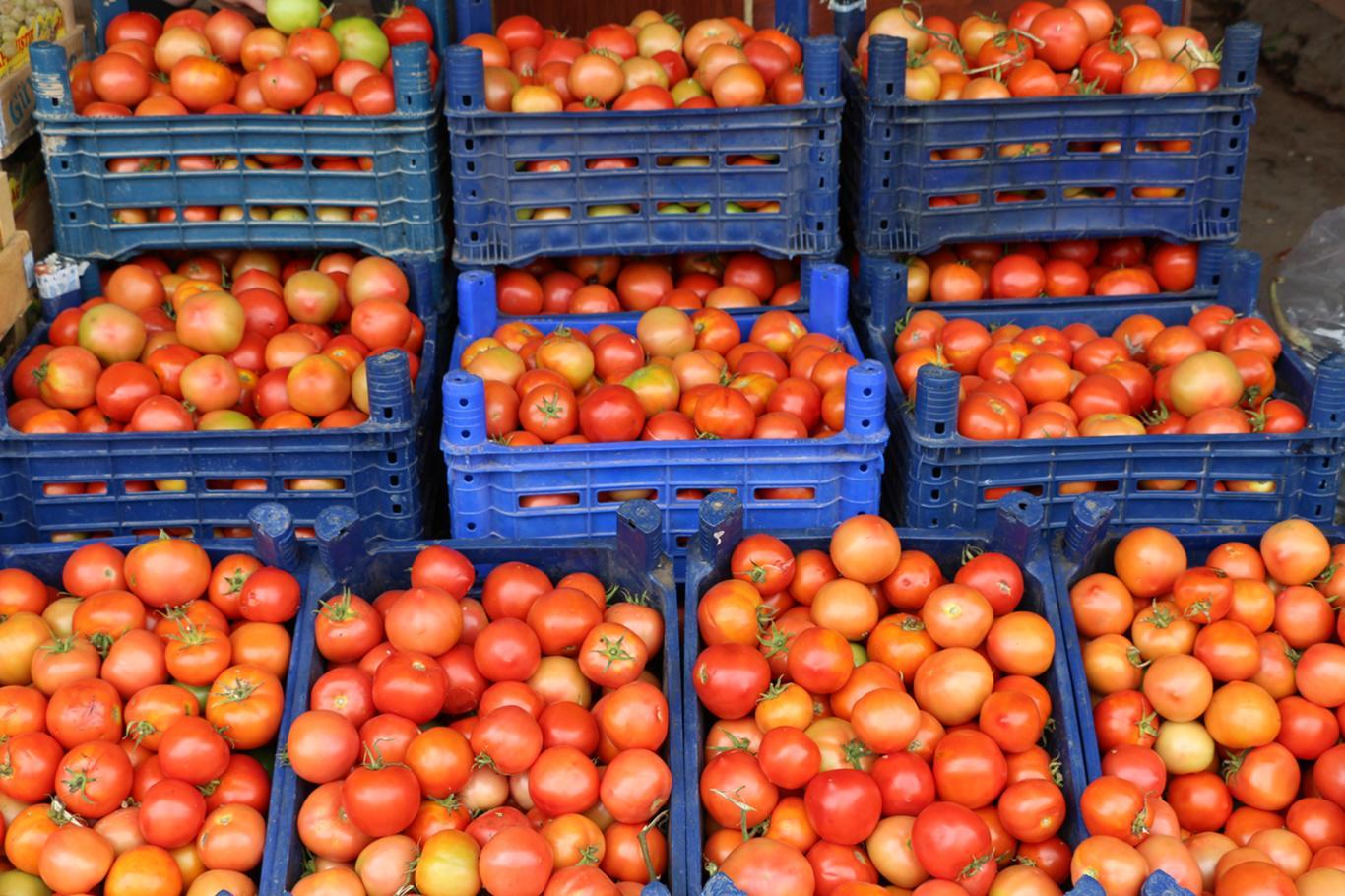

- Domestic Price Pressure Prompts Morocco to Halt Tomato Exports to Africa
Morocco has temporarily stopped tomato exports to African markets as it tries to ease rising prices at home, prioritising domestic supply while continuing shipments of more expensive tomatoes to Europe.
The decision, announced on November 5, follows lower productivity in Souss Massa, the country’s main tomato-producing region, and higher fertiliser and fuel costs. The government has described the pause as temporary and said exports to African markets would resume soon. Shipments to European markets are exempt.
The move exposes a familiar tension for agricultural exporters: when domestic food prices rise, governments face pressure to keep produce at home, even where foreign markets offer important income for growers.
In this case, the restriction is limited by destination. African buyers face a pause while European-bound tomatoes, which fetch higher prices, can continue to move.
That distinction may be commercially understandable, but it raises a question about how the policy is being balanced. If the aim is to increase local availability and bring down prices, the government will need to explain how allowing higher-value exports supports that goal, and whether those shipments involve different grades, volumes or supply channels from those sold domestically and regionally. The available information does not specify those details.
The immediate pressures appear to begin on the supply side. Lower productivity in Souss Massa has reduced output, while more expensive agricultural inputs and fuel have raised production and distribution costs.
The export pause may redirect some produce to the domestic market, but it does not itself restore lost production or reduce the cost of fertiliser, fuel and transport.
Its effect on prices will therefore depend on how much supply is redirected, how quickly it reaches wholesalers and retailers, and whether traders pass any increase in availability on to consumers.
If the shortfall is largely caused by lower yields and higher costs, restricting one export route may provide only temporary relief. It could also shift the cost of the domestic shortage to producers or exporters if they lose access to buyers without a clear timetable for the resumption of trade.
The decision has consequences beyond Morocco. The country is the second-largest tomato exporter to the European Union, while its African market is relatively small. That suggests the immediate volume affected may be limited compared with its broader export trade, but it does not reveal how exposed individual African importers are to Moroccan supply.
The impact will vary by destination, the share of imports sourced from Morocco, the availability of alternative suppliers and the time required to arrange replacement shipments.
For businesses that rely on regular cross-border supplies, even a temporary suspension can complicate purchasing plans and raise uncertainty around prices. Importers may have to source tomatoes elsewhere, accept higher transport costs or adjust the volumes they sell.
The announcement does not identify the African countries most affected or the quantities involved, so the extent of the regional impact remains unclear.
Morocco’s choice also reflects a broader shift towards food sovereignty as a policy priority. Government spokesman Samir Belfquih said the government gives priority to “food sovereignty”, while Finance Minister Fouzi Lekjaa has said food exports would be regulated to help lower domestic prices.
The government has also maintained transport subsidies and plans regional distribution companies to reduce intermediaries and food costs.
Those measures point to an effort to address both prices and the distribution chain. Yet the export pause is the most immediate intervention, and its costs and benefits will need to be assessed separately.
Keeping more produce at home may improve availability in the short term, but restrictions can also weaken exporters’ confidence if they are imposed without predictable rules, transparent triggers or clear end dates.
That uncertainty matters for investment. Farmers and traders make decisions about planting, harvesting, storage and export contracts well in advance.
If they cannot predict when a market may close, they may become more cautious about expanding production or committing to buyers. A policy intended to stabilise prices now could, if repeated unpredictably, affect supply decisions later.
The trade-off is particularly visible in the exemption for European shipments. Higher prices in Europe can generate more revenue for exporters, and maintaining access to that market may support the sector’s earnings.
Morocco’s agricultural exports rose 4.3 per cent year on year to 33.1 billion dirhams, equivalent to about US$3.4 billion, in the first nine months of the year. That figure covers agricultural exports generally, not tomatoes alone, but it highlights the economic importance of the wider sector.
The policy challenge is to protect consumers without undermining the production and trading relationships needed to keep food moving.
If the domestic shortage is temporary, a targeted pause with a published review date could offer short-term relief while giving exporters and African buyers a basis for planning. If the shortage is persistent, deeper measures may be needed to improve productivity, reduce input-cost pressures and make distribution more efficient.
The government has not given a precise date for resuming exports to African markets. It says the measure is temporary and that shipments will resume soon. For regional importers, that assurance matters, but a timetable and clearer information on the volumes covered would make it easier to assess the disruption.
For consumers in Morocco, the test will be whether the intervention translates into more tomatoes on shelves at lower prices. For farmers and exporters, it will be whether restrictions remain limited and predictable.
For African buyers, the test is whether alternative supply can be arranged before shortages or costs worsen.
Morocco’s decision is a short-term response to a domestic price problem with regional consequences. Whether it succeeds will depend less on the announcement itself than on how much supply is redirected, how quickly it reaches consumers and whether the government addresses the production and distribution pressures that caused prices to rise.

