
- Finance Minister Says Ghana’s Economy Remains Resilient Despite Global Shocks
Ghana’s economy remains resilient in the face of recent global shocks, Finance Minister Dr Cassiel Ato Forson has said, arguing that a mix of policy discipline, reform momentum and stronger buffers has helped preserve macroeconomic stability at a delicate moment for the country.
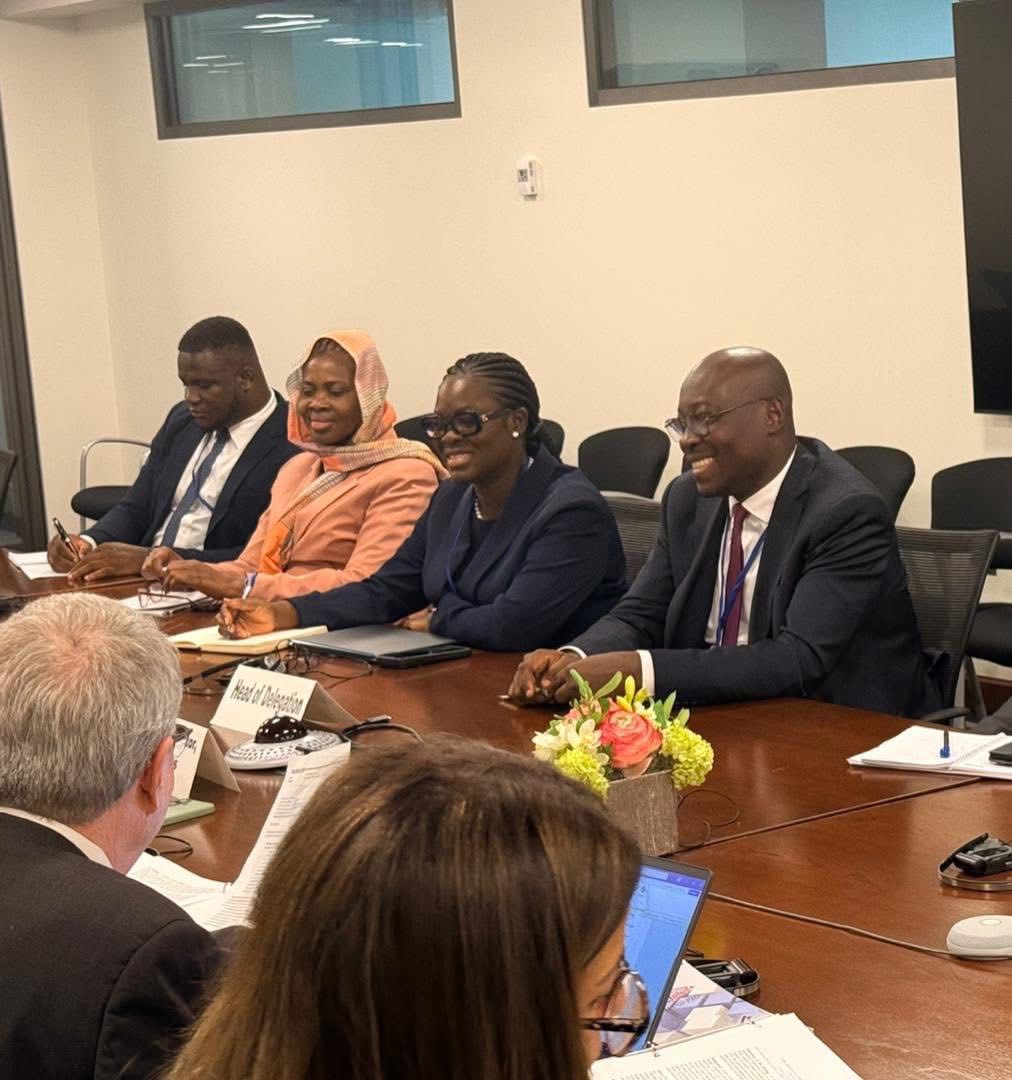
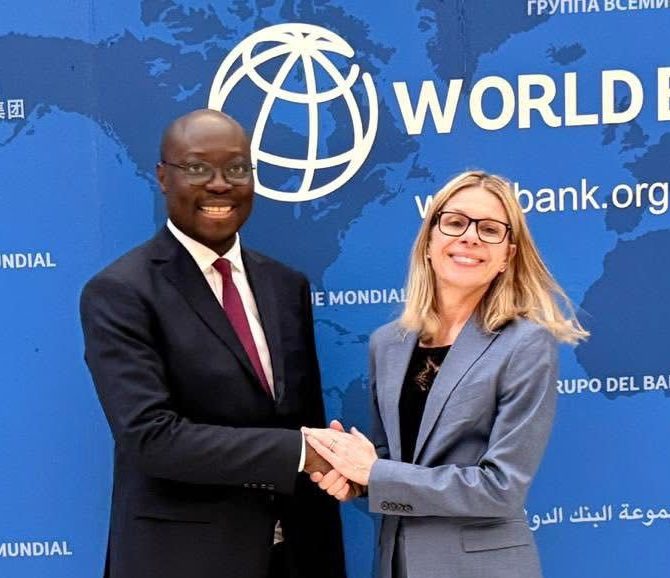
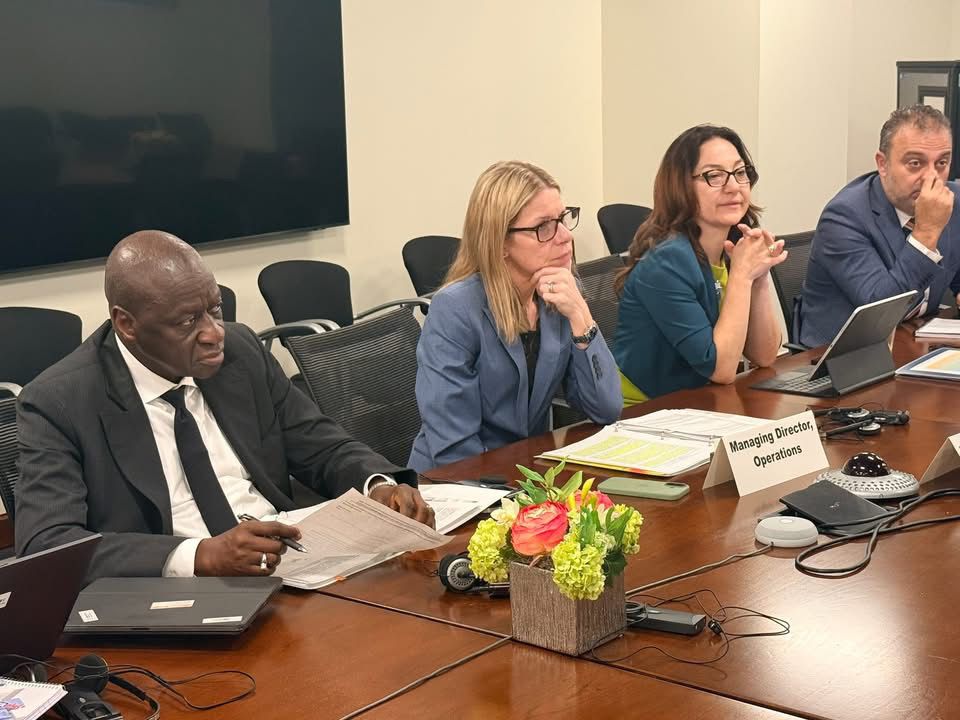
The finance minister made the remarks after meeting Anna Bjerde, managing director for operations at the World Bank, on the sidelines of the IMF-World Bank Spring Meetings in Washington, DC, in April 2026.
According to Dr Forson, Ghana’s recent resilience has been underpinned by what he described as prudent policy choices, strong reforms and the rebuilding of economic buffers since last year. He added that increased domestic gas production had also helped soften the impact of rising global energy prices, offering some relief to the broader economy.
His comments come as the government seeks to reinforce confidence in Ghana’s recovery story amid a still-fragile external environment, persistent structural bottlenecks and continuing scrutiny over whether recent macroeconomic gains can be sustained beyond the current adjustment cycle.
But while projecting optimism, the minister acknowledged that the energy sector remains one of the clearest threats to the country’s improving outlook.
He pointed specifically to inefficiencies in electricity distribution, warning that weaknesses in billing, revenue mobilisation and operational performance could undermine the gains made elsewhere in the economy if left unresolved.
To address those risks, Dr Forson said the government is moving towards greater private sector participation in the distribution value chain, with the aim of improving billing efficiency, strengthening collections and lifting overall operational performance in the sector.
That position suggests that, even as headline macroeconomic indicators stabilise, policymakers remain alert to the fact that unresolved energy sector distortions continue to pose fiscal and growth risks.
For the World Bank, the message appeared to be one of cautious endorsement. Anna Bjerde commended Ghana’s economic management and reaffirmed the Bank’s support for the country, while stressing that urgent action on the energy sector is necessary to prevent it from weakening broader economic progress.
Her remarks reinforce a familiar point in Ghana’s recovery debate: that macroeconomic stabilisation alone will not be enough if structural inefficiencies, particularly in power distribution, continue to drain public resources and constrain competitiveness.