


- Freight Forwarders Threaten Strike as Shipping Lines Defy GH¢720 Container Fee Cap
Ghana’s freight forwarding industry is threatening industrial action against shipping lines accused of charging administrative fees several times above a GH¢720 regulatory ceiling, escalating a dispute that could disrupt cargo clearance and add further costs to the country’s import-dependent economy.
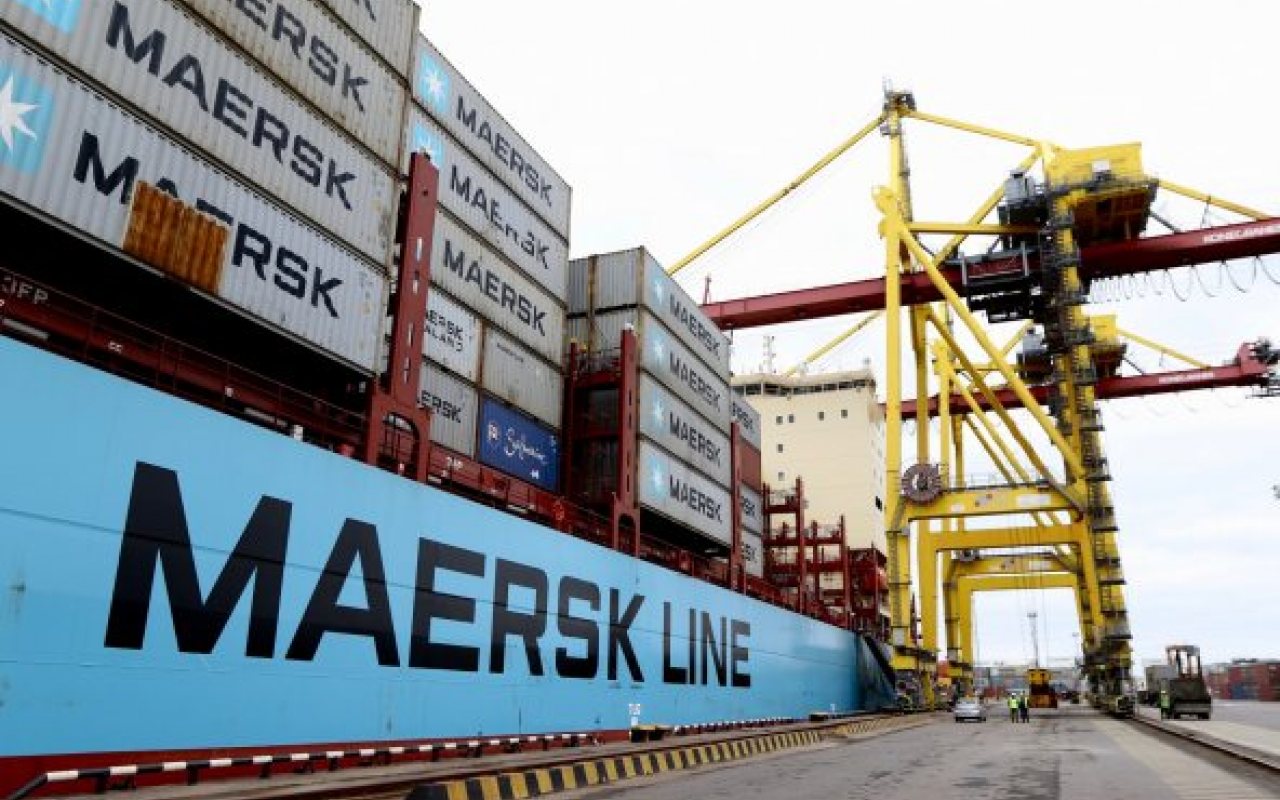
The Ghana Institute of Freight Forwarders, or GIFF, says frustration is mounting among freight forwarders and clearing agents over what it describes as the continued refusal by some shipping companies to comply with an interim administrative charge set by the Ghana Shippers’ Authority. The regulator fixed the ceiling at GH¢720 for a standard 20-foot container following sustained complaints from importers, freight forwarders and other port users over shipping-related administrative costs.
The dispute has intensified despite a High Court ruling on July 10 dismissing an application by shipping companies seeking to halt enforcement of the directive. Freight forwarders say some lines are nevertheless continuing to demand charges running into thousands of Ghana cedis, turning the confrontation into a test of whether regulation at the ports can be translated into actual compliance.
“We are extremely angry today simply because we have realised that we have stakeholders who do not regard regulations, who do not obey the laws of the industry, who think they are bigger and better than everybody in the industry,” a representative of the freight forwarders said. “We can’t live in an ecosystem whereby one entity believes that they don’t obey the laws of the ecosystem.”
The economic implications extend beyond a disagreement between freight forwarders and shipping companies. Ghana depends heavily on maritime imports for machinery, industrial inputs, vehicles, food, pharmaceuticals and consumer goods, meaning charges accumulated between vessel arrival and final cargo clearance eventually become part of the cost structure of businesses.
For an importer clearing several containers, the difference between a GH¢720 regulated fee and charges running into several thousand cedis can quickly become significant. Businesses may absorb part of the increase temporarily, but sustained logistics costs are eventually reflected in wholesale and retail prices or reduced profit margins.
Manufacturers are especially exposed because imported machinery, chemicals, packaging materials and intermediate goods feed directly into production costs. Higher and unpredictable port charges therefore weaken the competitiveness of Ghanaian firms against producers operating in markets where logistics costs are lower and easier to forecast.
The dispute consequently intersects with government efforts to reduce the cost of doing business and strengthen Ghana’s position as a regional trade and logistics hub under the African Continental Free Trade Area. Port competitiveness depends not only on infrastructure but also on how predictable, transparent and enforceable the cost of moving goods through the system is.
The July 10 ruling has therefore shifted attention from the legal basis of the directive to the effectiveness of enforcement. Importers making purchasing decisions weeks or months before cargo arrives at Tema or Takoradi need reasonable certainty about what they will eventually pay, and that certainty is weakened when regulated tariffs diverge sharply from charges demanded in practice.
GIFF has warned that continued non-compliance could trigger demonstrations and a sit-down strike. “If you keep talking and you don’t get the needed results, you demonstrate. We are going to demonstrate big time,” the group said. “With what is happening, we have no option to demonstrate, to go on sit-down strikes.”
Such action would introduce another layer of risk into the supply chain. Freight forwarders play a central role in documentation and cargo movement between customs authorities, shipping lines, terminal operators and importers, meaning a sustained withdrawal of services could slow clearance and increase congestion at the ports.
That creates an uncomfortable paradox. Industrial action intended to protest excessive port charges could itself leave importers facing higher storage and demurrage costs if cargo remains uncleared for longer periods.
The Ghana Shippers’ Authority has directed shipping lines and their agents to comply with the GH¢720 interim ceiling and has indicated that sanctions could follow against operators found to be violating the directive. For freight forwarders, however, the credibility of that position will ultimately depend on whether sanctions are actually imposed where breaches are established.
“If the government decides not to apply the law, not to punish them, not to discipline them, but we citizens should suffer, then we are going to prove to the government that indeed we have social contract with the government,” the freight forwarders said.
The confrontation comes at a sensitive time for Ghana’s maritime sector. Regional competition among West African ports is intensifying, and the cost, speed and predictability of cargo clearance increasingly influence where importers, shipping lines and transit traders direct business.
Excessive or unpredictable administrative charges therefore carry a wider opportunity cost. If Ghanaian ports become materially more expensive or difficult to navigate than competing gateways, some cargo owners may reassess routing decisions, particularly for transit trade.
The dispute is ultimately about more than GH¢720. It is about whether regulators can enforce approved charges, whether shipping lines can operate within predictable rules and whether importers can rely on a port cost structure that is transparent enough to support investment and business planning.
The High Court ruling may have removed one legal obstacle, but the commercial problem remains unresolved. With freight forwarders now threatening to withdraw their services, the next test is whether government can enforce the ceiling quickly enough to prevent a fee dispute from becoming a broader disruption to Ghana’s supply chains and cost of doing business.

