


- From Default to Investment Grade: Ghana Sets 2029 Credit Rating Ambition
Ghana is targeting a return to investment-grade status by 2029, in what would mark one of Africa’s fastest sovereign credit recoveries after the country’s historic debt default and restructuring.
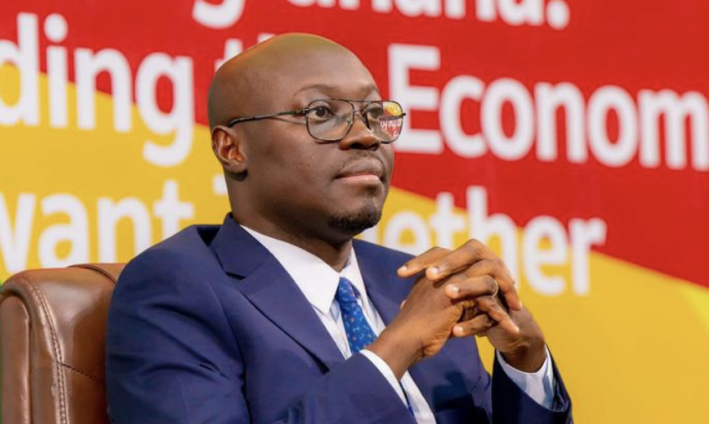
The ambition was disclosed by Finance Minister Dr Cassiel Ato Forson at an investor conference in London, where Ghanaian officials sought to convince global investors that the country has moved from debt distress to macroeconomic recovery and renewed investment opportunity.
The target comes four years after Ghana defaulted on its external debt in 2022, triggering a painful restructuring of domestic and external obligations and forcing the country into a Fund-supported economic stabilisation programme.
A return to investment-grade rating would lower Ghana’s perceived credit risk, reduce future borrowing costs and reopen the door to a wider pool of institutional investors that are restricted from holding speculative-grade debt.
But the challenge remains significant. Major rating agencies still classify Ghana’s sovereign debt as speculative grade, reflecting the lingering effects of the default, debt restructuring and concerns over the durability of fiscal reforms.
Ghana’s pitch rests on recent improvements in key macroeconomic indicators. Economic growth has strengthened, inflation has fallen sharply from crisis-era levels, and the cedi has emerged as one of Africa’s stronger-performing currencies in recent months.
Government officials are hoping that these gains, combined with continued fiscal consolidation and stronger investor engagement, will support further credit-rating upgrades over the next three years.
President John Dramani Mahama, who addressed investors at the London event, argued that African debt continues to be unfairly priced by global markets, leaving many economies paying borrowing costs that do not fully reflect their underlying fundamentals.
“Africa is not a risk to be managed. Africa is an opportunity to be seized,” he told investors.
The President also called for reforms to the global debt restructuring architecture, arguing that countries in financial distress require faster, fairer and more inclusive solutions.
His remarks reflect a wider frustration among African policymakers that the continent pays an excessive risk premium in global capital markets, even when individual countries show signs of reform and recovery.
Dr Forson also signalled a shift in Ghana’s development financing strategy, saying the country wants greater participation from private capital rather than relying heavily on sovereign borrowing and government-led expenditure.
The Finance Minister warned that channelling too much investment through the state could worsen debt pressures and limit economic dynamism, suggesting that the next phase of Ghana’s recovery will depend more on private sector-led growth, infrastructure investment and enterprise expansion.
For Ghana, the message to investors is clear: the debt crisis is no longer the defining story. Government wants the country to be viewed as a recovery economy with improving fundamentals, stronger policy discipline and renewed growth prospects.
Still, the road to investment grade will be difficult. Rating agencies will want evidence of sustained fiscal consolidation, durable external buffers, lower debt-servicing risks, credible monetary policy and a track record of avoiding renewed arrears or excessive borrowing.
The government must also show that recent macroeconomic gains are not temporary, particularly as global conditions remain volatile and commodity-dependent economies face exposure to shifts in gold, oil and cocoa prices.
Ghana’s previous crisis was driven partly by weak fiscal discipline, heavy debt accumulation, loss of market access and rising debt-servicing costs. A return to investment grade would therefore require not only better numbers, but proof that the policy framework has fundamentally changed.
If achieved, the 2029 target would represent a dramatic turnaround for a country that only recently completed one of Africa’s most closely watched debt restructurings.
But investors and rating agencies are likely to judge Ghana less by its ambition and more by its consistency.

