

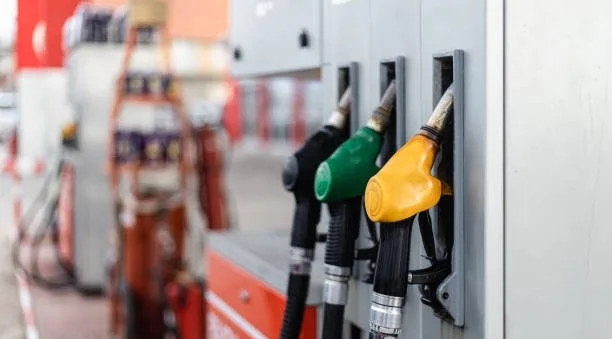

- Fuel Prices Jump as Crude Oil Surges 23.25%
Motorists and businesses across Ghana face another round of fuel price increases from August 1 as a sharp rise in international crude oil prices and renewed depreciation of the cedi push petroleum import costs higher.
The Chamber of Oil Marketing Companies projects that all major petroleum products will record increases during the August 1–15 pricing window, reflecting worsening global supply concerns and unfavourable domestic exchange-rate movements.
Petrol is expected to rise by 7.58% to approximately GH¢15.23 per litre, while diesel is projected to increase by 12.50% to about GH¢17.45 per litre.
Liquefied Petroleum Gas is forecast to climb by 4.13% to approximately GH¢16.40 per kilogram.
Diesel’s sharper increase carries the most significant economic implications because of its extensive use in commercial transportation, mining, agriculture, construction, manufacturing and backup electricity generation.
A sustained rise in diesel prices is likely to increase haulage charges, production expenses and the cost of transporting food and other goods to markets.
The latest pricing projections follow the National Petroleum Authority’s upward revision of the minimum retail price floors for petroleum products.
The regulator raised the diesel floor to GH¢16.97 per litre and increased the petrol benchmark to GH¢14.53 per litre. The minimum LPG price was set at GH¢11.06 per kilogram.
These benchmarks prevent Oil Marketing Companies and LPG Marketing Companies from selling below the prescribed levels, although actual prices at filling stations may be higher because of importer, distributor, marketer and dealer margins.
The principal pressure came from international oil markets.
Average crude oil prices increased by 23.25% during the review period, rising from US$71.90 to US$88.62 per barrel.
The rally followed renewed tensions involving the United States and Iran, which raised concerns over possible disruptions to petroleum shipments through the Strait of Hormuz.
The waterway is one of the world’s most important energy transit routes, meaning any sustained threat to shipping could affect global supply, freight charges and insurance premiums.
Prices for refined petroleum products increased even more sharply in some categories.
Diesel prices rose by 24.84%, while petrol and LPG increased by 12.58% and 12.24%, respectively.
The movements substantially raised the cost of fuel cargoes purchased for the Ghanaian market.
Domestic currency weakness magnified the global price shock.
The cedi depreciated by 1.41% against the US dollar during the pricing period, weakening from GH¢11.4970 to GH¢11.6593 per dollar.
Because Ghana relies heavily on imported refined petroleum products, exchange-rate depreciation directly raises the local currency cost of purchases settled in dollars.
The combination of rising international product prices and a weaker cedi created a double pressure on importers and downstream distributors.
Some filling stations may implement smaller immediate increases because several oil marketing companies had already adjusted prices ahead of the official pricing window.
However, the general direction remains upward, with firms expected to align retail prices with higher import costs and the NPA’s revised minimum benchmarks.
The adjustment could complicate Ghana’s recent progress in reducing inflation.
Fuel prices affect the consumer price index directly through transportation costs and indirectly through manufacturing, farming, logistics and distribution expenses.
Commercial transport operators may seek fare increases if diesel and petrol costs remain elevated, while businesses may pass higher operating expenses on to consumers.
Food prices could face particular pressure because produce must be transported from farming communities to wholesale and retail markets, often using diesel-powered vehicles.
Manufacturers may also experience increased expenditure on raw-material transportation, machinery and backup generators.
The pricing outlook presents another challenge for businesses attempting to rebuild profitability following a prolonged period of high inflation, expensive credit and weak consumer demand.
Companies unable to pass the full increase to customers may face shrinking margins, while households could experience further pressure on disposable income.
Much will depend on whether the oil rally proves temporary or develops into a prolonged supply shock.
If tensions ease and crude prices retreat, some of the increase could be reversed in subsequent pricing windows. Continued geopolitical instability, however, could keep petroleum prices elevated and expose Ghana to further pump-price adjustments.
The August window therefore represents an early test of whether Ghana’s improving macroeconomic conditions can withstand renewed external energy and exchange-rate pressures.

