


- Fuel Prices Set to Rise from Today, September 1, as Global Petroleum Costs Outweigh Cedi Gains
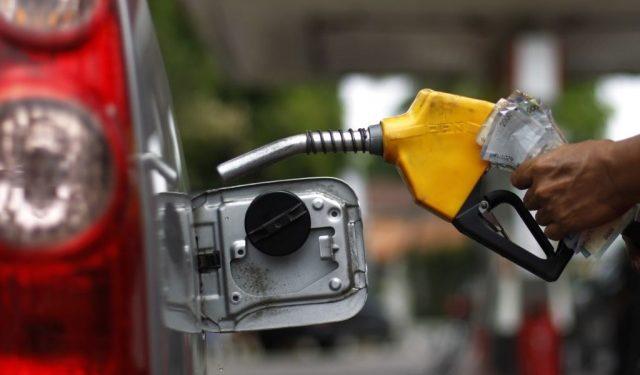
Fuel prices in Ghana are expected to rise from today, September 1, as higher international crude oil and refined petroleum product prices outweigh recent gains by the cedi, putting renewed pressure on household transport costs and business operating expenses.
The Chamber of Oil Marketing Companies has projected petrol prices to increase by as much as 4.80%, with a litre expected to sell around GH¢16.39, while diesel is projected to rise by 2.10% to approximately GH¢17.60 per litre during the September 1–16 pricing window.
Liquefied petroleum gas is expected to move in the opposite direction, declining by about 0.93% to approximately GH¢13.73 per kilogramme, according to COMAC’s outlook.
The projected increases underscore the continued vulnerability of Ghana’s domestic fuel market to movements in international energy prices, even when the exchange rate is moving in a favourable direction.
International crude oil prices increased by 1.75% during the pricing reference period, rising from US$90.53 per barrel to US$92.11 per barrel.
International petrol prices rose by 8.86%, diesel increased by 5.51%, while LPG prices advanced 3.31%, according to COMAC. Those increases were strong enough to outweigh support from the cedi, which appreciated by 3.64% to GH¢11.3697 to US$1 based on average bank rates between August 12 and August 27.
The appreciation reversed three successive pricing windows of depreciation and represented the currency’s strongest performance since June. Ordinarily, a stronger cedi reduces the domestic cost of petroleum imports because Ghana requires fewer cedis to purchase each dollar needed to pay international suppliers.
But the latest pricing window demonstrates the limits of exchange-rate appreciation when global product prices rise more sharply. For consumers, that means the benefits of the stronger currency may show up not as lower pump prices, but as a smaller increase than would otherwise have occurred.
The adjustment is particularly important because fuel prices feed quickly through the wider economy. Petrol affects household mobility and commercial transport, while diesel is heavily used by freight operators, logistics companies, construction firms and parts of industry.
Higher pump prices can therefore increase transportation and distribution costs, potentially creating secondary pressure on the prices of food, manufactured products and other goods. Government has moved to soften part of that impact by extending a temporary intervention aimed specifically at diesel.
A government source cited by Joy Business said authorities had decided to maintain a GH¢2.00 per litre reduction in the regulatory margin on diesel into the first September pricing window.
The measure had initially been introduced as a temporary intervention covering two pricing windows and was expected to expire at the end of August. Its extension suggests policymakers remain concerned about the economic consequences of allowing the full international price increase to pass through to diesel consumers.
Without the intervention, diesel prices would have been higher than COMAC’s projected GH¢17.60 per litre, according to the report.
Ghana’s downstream petroleum pricing framework is designed to allow changes in international petroleum prices and the exchange rate to feed through to consumers. Such pass-through reduces the fiscal burden associated with broad fuel subsidies and makes pricing more reflective of market conditions.
But sharp increases can also transmit external inflation into the domestic economy, particularly through transport and logistics. The government must therefore balance the objective of market-based pricing against concerns over inflation and household purchasing power.
The National Petroleum Authority has meanwhile revised upwards the minimum prices at which petroleum products can be sold during the September 1–16 window. The price floor for petrol has been set at GH¢14.53 per litre, while diesel has been pegged at GH¢15.60.
That means oil marketing companies are not expected to sell below those levels during the pricing window. The diesel floor increased from GH¢15.19 to GH¢15.60, representing approximately 2.69%, while the petrol benchmark was reported to have increased by about 4.38%.
The LPG floor declined from GH¢10.98 to GH¢10.85 per kilogramme. With more than 200 oil marketing companies operating in Ghana, actual pump prices will vary as retailers compete on margins and market share.
Some operators are expected to adjust prices from 6am on September 1, while others may initially hold back to observe competitors before changing their pump prices.
That competitive dynamic means COMAC’s projections should not automatically be interpreted as a uniform national retail price. The latest outlook nevertheless carries an important message for Ghana’s inflation trajectory.
Recent currency appreciation has helped reduce one of the major sources of imported price pressure, but Ghana remains exposed to external commodity shocks. A sufficiently large increase in international crude or refined petroleum prices can rapidly offset gains made through a stronger cedi.
Manufacturers, haulage companies and retailers may have benefited from greater exchange-rate stability, but another increase in diesel and petrol prices could raise logistics expenditure and reduce part of that benefit.
For households, higher fuel prices can have a similar effect by increasing direct transport expenditure and potentially influencing public-transport fares over time.
The September pricing window therefore provides another reminder that Ghana’s energy costs are shaped by two variables over which domestic policymakers have only partial control: international petroleum markets and the exchange rate.
For government, the decision to extend the diesel intervention indicates a willingness to absorb part of the pressure rather than allow the full international increase to reach consumers immediately.
But maintaining such measures for prolonged periods can itself create fiscal or regulatory costs. The longer-term solution lies in reducing Ghana’s exposure to imported refined products, improving domestic energy resilience and maintaining macroeconomic conditions that support a stable currency.
For now, motorists and businesses enter September facing another increase at the pumps — a reminder that even a strengthening cedi cannot fully shield Ghana from rising global energy prices.

