


- Ghana Can Beat IMF’s 5.7% Growth Forecast, as Recovery Gathers Pace — Ato Forson
Finance Minister Dr Cassiel Ato Forson has expressed confidence that Ghana’s economy will expand faster than the International Monetary Fund’s upgraded projection of 5.7 per cent in 2026, placing the government’s economic management under a more demanding test: converting a stronger recovery into jobs, investment and lasting improvements in household welfare.
The IMF increased its forecast for Ghana from 4.6 per cent in April to 5.7 per cent in its October World Economic Outlook, an upward revision of 1.1 percentage points. The adjustment reflects economic activity that has proved stronger than anticipated despite fiscal consolidation, geopolitical uncertainty and difficult global financing conditions.
“The IMF has upgraded Ghana’s 2026 growth forecast from 4.6 per cent to 5.7 per cent. We are confident we will exceed that projection,” Dr Forson said.
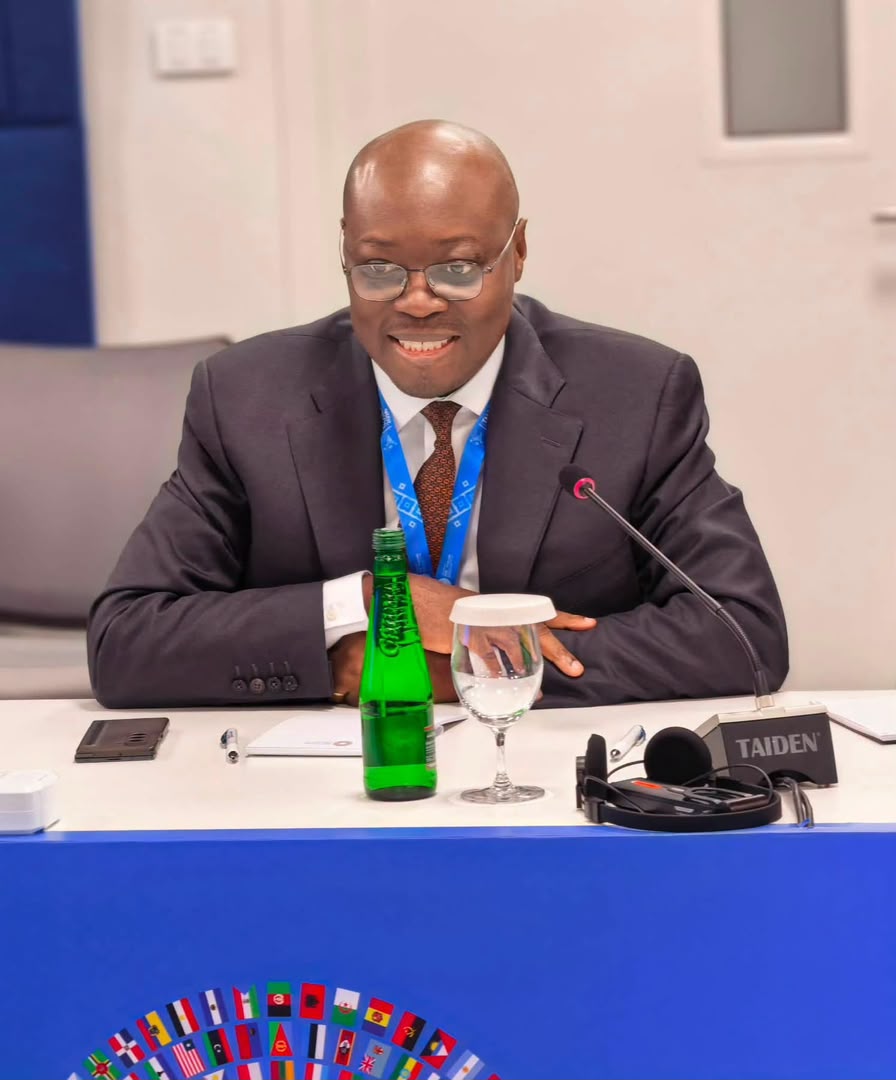
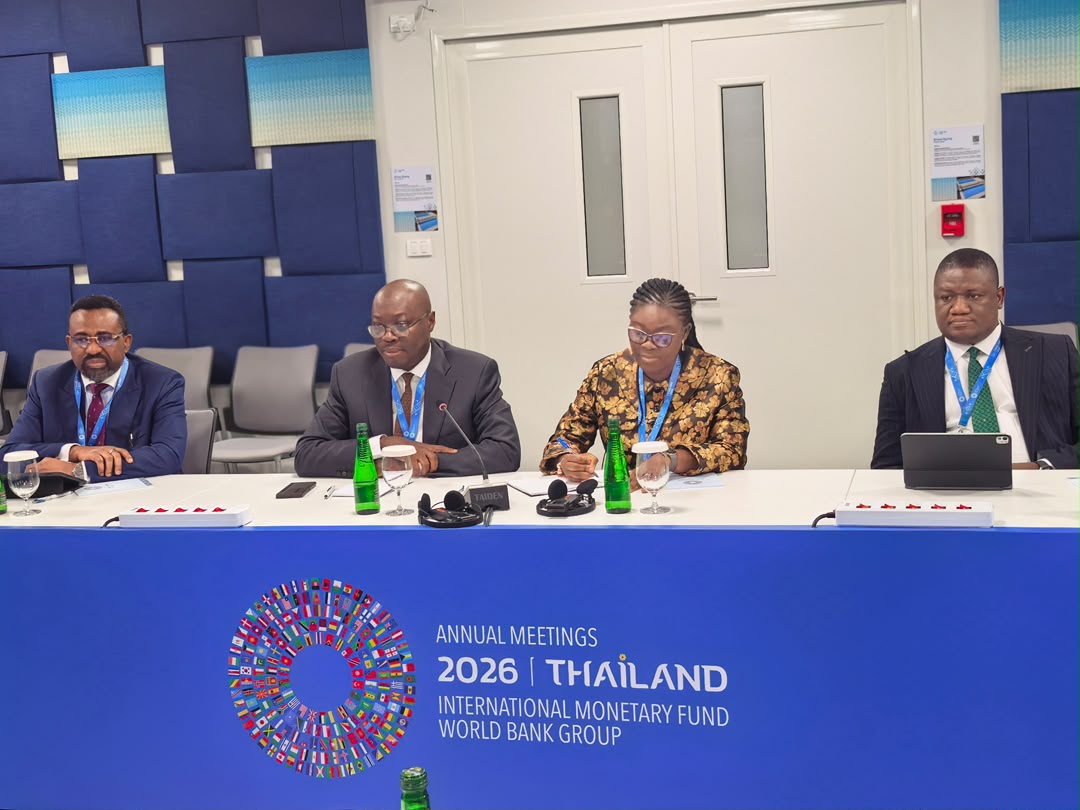
His comments followed discussions with Zeine Zeidane, Director of the IMF’s African Department, on the sidelines of the IMF–World Bank Annual Meetings in Bangkok, Thailand.
“In Bangkok, I met with the IMF’s African Department Director, Zeine Zeidane, and reaffirmed our commitment to the fiscal credibility, discipline and bold reforms powering Ghana’s economic turnaround,” the Finance Minister said.
The revised forecast strengthens the government’s argument that stabilisation measures introduced after Ghana’s debt crisis are beginning to produce a broader economic recovery. It also places the country among the stronger-growing economies in a global environment marked by energy-market disruption, expensive financing and weak confidence.
The magnitude of the upgrade is significant. Forecast revisions of more than one percentage point normally suggest that incoming economic data have materially exceeded assumptions. Ghana recorded real gross domestic product growth of 6.4 per cent in the first quarter of 2026, providing early evidence that activity was running ahead of both the government’s original projection and the IMF’s earlier assessment.
Services have remained an important source of momentum, supported by information and communications technology, financial services, trade and other commercial activity. The wider recovery has also benefited from improving macroeconomic stability, lower inflation and stronger confidence following progress under Ghana’s IMF-supported programme.
However, exceeding the IMF’s forecast will require growth to remain strong across the rest of the year. It cannot depend entirely on one exceptional quarter or a narrow group of industries. Agriculture, manufacturing, construction, mining, petroleum and services must collectively produce enough output to sustain the headline expansion.
The composition of growth will matter as much as the final number. Ghana has previously recorded periods of rapid expansion driven by oil production or other capital-intensive sectors without generating employment on the scale required by its young population. A growth rate above 5.7 per cent would be encouraging, but its social value will depend on whether businesses expand, workers earn more and poverty declines.
This is why Dr Forson’s emphasis on fiscal credibility is important. Ghana’s recent history demonstrates that high growth built on uncontrolled borrowing, accumulated arrears or temporary commodity windfalls can quickly become unstable. If the current expansion is to endure, government expenditure must remain consistent with revenue, debt sustainability and the capacity of the domestic economy.
Fiscal discipline should not, however, become synonymous with suppressing productive investment. The government must distinguish between expenditure that merely enlarges the public sector and investment that removes constraints on private activity. Reliable electricity, transport infrastructure, irrigation, digital connectivity and skills development can raise productive capacity while supporting employment.
The challenge is particularly acute because Ghana continues to operate under tight financing conditions. Although macroeconomic indicators have improved, debt restructuring has limited conventional access to international capital markets, while domestic borrowing can place upward pressure on interest rates and compete with private businesses for available funds.
Stronger growth could help relieve those pressures by lifting tax revenue without requiring punitive increases in tax rates. When companies sell more, workers earn more and consumption expands, government receipts can rise organically. That would make fiscal consolidation less dependent on expenditure compression and create room for carefully targeted development spending.
But the relationship also works in reverse. If fiscal discipline weakens, inflation and currency pressures could return, forcing the Bank of Ghana to maintain tighter monetary conditions. Higher interest rates would then restrain private investment and weaken the growth that the government expects to outperform the IMF forecast.
External risks remain considerable. Ghana is exposed to changes in gold, cocoa and crude-oil prices, movements in the United States dollar and disruptions arising from conflict in the Middle East. Higher petroleum prices could increase the import bill, place pressure on the cedi and raise production and transportation costs.
Climate risks could also weaken agricultural performance, particularly if El Niño affects rainfall patterns and food production. Agriculture remains crucial not only to national output but also to employment, rural incomes, food inflation and the supply of raw materials to local industry.
For households, however, the recovery will be credible only when macroeconomic improvement becomes visible in employment, incomes, food prices and the affordability of credit. Growth statistics can rise while families continue to face economic pressure, particularly when population growth and inequality dilute the benefits of expansion.
The government must consequently complement fiscal stability with reforms that improve productivity, reduce the cost of doing business and direct capital towards domestic enterprises. Faster approval processes, predictable taxation, reliable utilities and stronger access to finance would help convert economic stability into private investment.
Dr Forson’s confidence raises expectations ahead of the 2027 Budget, where the government will be required to demonstrate how it intends to move from recovery to transformation without compromising the discipline that restored stability.
If Ghana surpasses 5.7 per cent growth while maintaining fiscal credibility, controlling inflation and creating productive employment, the result would represent more than an encouraging statistical outturn. It would provide evidence that the country is beginning to replace crisis-driven economic management with a more durable model of expansion.
The stronger forecast has moved the benchmark. The task now is not merely to beat the IMF’s number, but to ensure that the additional growth reaches Ghanaian businesses, workers and households.

