

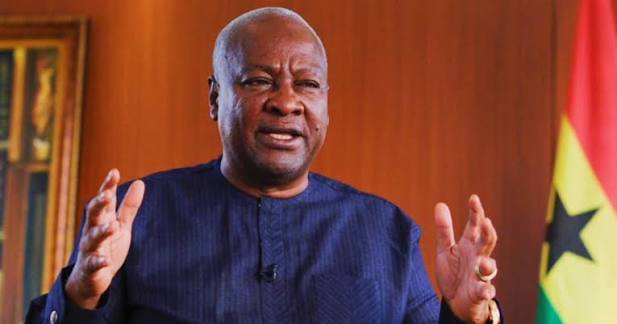

- Ghana Eyes Transatlantic Trade Bloc as President Mahama Backs Caribbean Access to AfCFTA
President John Mahama says he will advocate for Caribbean countries to participate in the African Continental Free Trade Area when Ghana assumes the chairmanship of the African Union, advancing an ambitious proposal that could extend Africa’s flagship trade integration project beyond the continent and deepen commercial ties with the African diaspora.
Speaking during an official visit to Jamaica alongside Prime Minister Andrew Holness, Mahama argued that the relationship between Africa and the Caribbean must move beyond historical and cultural solidarity towards a more structured economic partnership centred on trade, investment and industrial cooperation.
His proposal would potentially give Caribbean businesses greater access to Africa’s emerging single market while creating new commercial opportunities for African exporters seeking to establish stronger footholds across Caribbean economies.
Mahama said he intends to place the idea before African leaders when Ghana takes up the AU chairmanship, although implementation would require extensive consultations between African Union member states and Caribbean governments.
The proposal represents a potentially significant evolution in how AfCFTA is viewed. The agreement has primarily been designed as a continental integration framework aimed at reducing barriers to trade among African economies, harmonising regulations and building regional value chains.
Mahama’s initiative would effectively test whether that framework could become a wider platform for structured economic engagement between Africa and countries with deep historical links to the continent.
A central element of the President’s argument is product standards. President Mahama said greater harmonisation under AfCFTA could make it easier for businesses in Africa and the Caribbean to trade with one another by reducing technical barriers that often prevent companies from entering unfamiliar markets.
Common or mutually recognised standards could particularly benefit manufacturers and agricultural producers that currently face different certification, packaging and regulatory requirements across jurisdictions.
The potential commercial opportunity goes beyond merchandise trade. President identified manufacturing, agribusiness, pharmaceuticals and services among areas where stronger Africa-Caribbean cooperation could create new investment and value chains.
For businesses, a more formalised trading arrangement could potentially lower market-entry barriers, create larger consumer markets and encourage joint ventures between companies on both sides of the Atlantic.
The initiative also fits within Mahama’s broader argument that Africa’s next phase of development must be driven by economic integration and productive capacity.
Rather than depending heavily on traditional export markets, African economies could strengthen resilience by widening commercial relationships and developing new markets for goods and services produced on the continent.
Although Africa and the Caribbean share extensive historical, cultural and demographic connections, their economic relationship remains comparatively underdeveloped. Mahama’s proposal seeks to convert those ties into a more practical commercial architecture.
Accra hosts the AfCFTA Secretariat and has sought to position itself as a gateway for companies seeking access to the wider African market.
An expansion of commercial engagement between AfCFTA and Caribbean economies could strengthen Ghana’s role as an intermediary between African markets and businesses seeking continental opportunities.
That could potentially create additional opportunities in logistics, financial services, professional services, manufacturing and trade facilitation. The proposal, however, would be institutionally complex we submit.
AfCFTA was established as an African continental agreement, meaning any mechanism for incorporating countries outside Africa would require careful negotiations over membership, market access, tariff treatment, rules of origin and regulatory obligations.
Mahama acknowledged that the initiative cannot be achieved unilaterally and would require extensive consultation among participating governments.
Rather than presenting Caribbean participation as an immediate policy change, he is positioning it as a strategic agenda that African leaders and Caribbean governments could explore collectively.
How Caribbean participation would eventually be structured would therefore be one of the central questions.
It could involve direct participation in aspects of the existing framework or the development of a complementary trade arrangement linking Caribbean economies with the AfCFTA market. The details have yet to be determined.
AfCFTA’s central objective is to stimulate production within Africa rather than simply create a larger channel for goods produced elsewhere to enter the continent. Any wider arrangement would therefore need to balance greater Caribbean market access against the original objective of supporting African industrialisation.
A broader economic relationship could attract Caribbean companies into African markets while giving African firms opportunities to establish operations across the Caribbean. But achieving that would require investment protections, financial connectivity, shipping links and improved business-to-business networks alongside tariff reforms.
The proposal therefore extends beyond conventional trade diplomacy. It reflects an attempt to build a transatlantic economic relationship around shared history while giving that relationship a practical commercial foundation.
For Mahama, that is part of a wider effort to move Africa-Caribbean relations from symbolism towards measurable economic outcomes.
If Ghana succeeds in placing the issue on the African Union agenda, the discussions could become one of the most consequential debates about AfCFTA’s long-term strategic direction since the agreement was launched.
The immediate challenge will be building political consensus. The longer-term opportunity is potentially much larger: an economic corridor linking African and Caribbean markets through trade, investment, common standards and industrial partnerships.
Mahama’s proposal therefore signals an ambition to make AfCFTA not simply the mechanism through which Africans trade more with each other, but potentially the foundation from which Africa builds deeper commercial relationships with its global diaspora.

