


- Ghana Must Shift NCD Spending Beyond Treatment to Prevention — VAST Ghana
Ghana’s expanding financial commitment to tackling non-communicable diseases could mark an important shift in the country’s health system, but weaknesses in prevention funding, outdated expenditure data and uncertainty over implementation risk limiting the impact of the reforms, according to VAST Ghana.
Labram Musah, Executive Director of VAST Ghana, said government interventions including the Ghana Medical Trust Fund and the free primary healthcare policy represented potentially important responses to the financial burden of chronic diseases, particularly for households that have historically relied heavily on out-of-pocket payments. But he argued that the success of those programmes would ultimately depend on whether funds are transparently deployed and whether prevention receives the same policy attention as treatment.
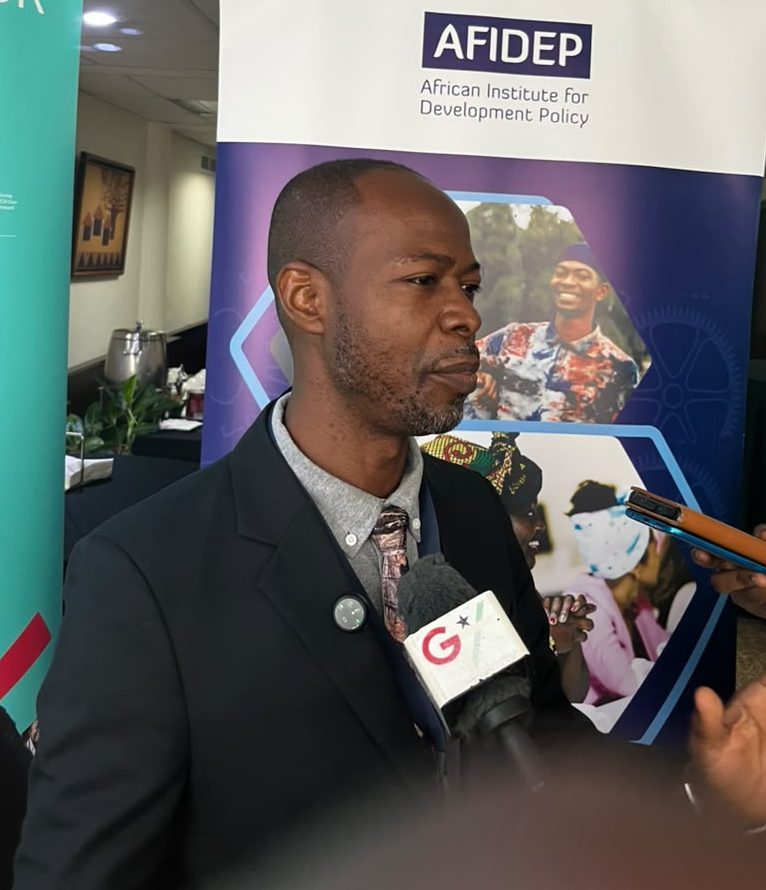
Speaking on the sidelines of the Sub-Saharan Africa Cross-Country Learning Workshop of the Financing Accelerator Network for NCDs in Accra, Mr Musah said Ghana’s growing burden of cardiovascular diseases, cancers, diabetes and chronic respiratory conditions required a financing architecture that addressed the full spectrum of care, from awareness and prevention to diagnosis, treatment and long-term management.
He said the Ghana Medical Trust Fund was particularly important because of gaps that remained within the National Health Insurance Scheme. “The National Health Insurance originally was supposed to take care of matters involving non-communicable diseases in their entirety. But there was a huge gap,” he said.
“So the government instituted the Ghana Medical Trust Fund to ensure that those who are unable to go through the high cost of treatment when it comes to the chronic non-communicable diseases would have some kind of relief.”
The policy responds to a structural challenge in Ghana’s health financing system. Chronic diseases can require repeated consultations, specialist interventions, medicines, laboratory tests and long-term follow-up, meaning the cost burden can accumulate far beyond a single hospital visit and expose households to sustained financial pressure.
Mr Musah said civil society welcomed the government’s intervention but intended to monitor closely whether the resources allocated actually reached patients. “We are monitoring as civil society organisations to ensure that the 2.9 billion that the government had dedicated for the Ghana Medical Trust Fund will actually inure to what it was actually meant to do,” he said.
He added that similar scrutiny would apply to the GH¢1.5 billion earmarked for free primary healthcare. The concern is that headline allocations, however large, do not by themselves demonstrate effective financing unless the money is released, used for the intended services and reflected in measurable improvements in patient access.
For VAST Ghana, the more fundamental weakness is that the emerging NCD response remains too heavily weighted towards diagnosis and treatment. Mr Musah argued that Ghana risks spending increasing amounts managing established disease without sufficiently addressing the behavioural and environmental factors that are contributing to the growth in chronic illness.
“One major challenge we are currently experiencing is the fact that the free primary healthcare is more than focusing on diagnosis and early detection,” he said. “We feel that the concept of free primary healthcare is supposed to look at prevention and awareness creation.”
He called for deliberate financing of public education around tobacco use, harmful alcohol consumption, sugar-sweetened beverages, unhealthy diets and physical inactivity. “We want government of Ghana to also allocate deliberate allocation of fund to support awareness creation so that, you know, we are able to reduce the burden that we are currently facing,” he said.
The distinction is economically important because NCDs create both immediate medical costs and longer-term fiscal liabilities. Advanced chronic illnesses often require expensive and recurring treatment, while prevention and early detection can potentially reduce the number of patients progressing to stages that require more complex interventions.
Government’s plan to expand screening at the community level could therefore become an important part of the financing strategy. Wider access to blood pressure, diabetes and other basic checks could help identify risks earlier, but screening generates the greatest value when people diagnosed with conditions can also access affordable treatment, medicines and follow-up care.
Assessing whether Ghana’s NCD financing reforms are succeeding, however, is complicated by the weakness of available expenditure data. Mr Musah expressed concern that some of the latest health financing figures available for analysis still relate to 2023, leaving policymakers and civil society trying to evaluate major new programmes with information that predates their introduction.
“The current data that we have been having in terms of current health expenditure is 2023. We don’t even have 2024, 2025; we’re talking about 2026. So there’s a huge gap in that respect,” he said.
He called on the Ministry of Health, National Health Insurance Authority and relevant data institutions to accelerate the compilation and publication of health expenditure information. Without more timely data, it becomes difficult to determine whether reforms are reducing household costs, increasing public financing or improving the efficiency with which resources are distributed.
VAST Ghana also questioned figures presented during the discussions suggesting that approximately 26.00% to 27.00% of NCD expenditure comes from out-of-pocket payments while a much larger share is attributed to government. Mr Musah said the presentation required greater explanation before conclusions could be drawn from it.
“We have some concerns about those data because we feel that it is not a very good presentation of what’s happening. We need some more clarity on that,” he said. “What does the 60% of government expenditure for non-communicable diseases actually mean?”
The question is particularly relevant because the Ghana Medical Trust Fund is a relatively new intervention. If the policy succeeds in shifting more of the financial burden from patients to the state, future expenditure data should provide evidence of that transition through lower household out-of-pocket shares and increased effective public financing.
The funding architecture also raises an accountability question. Large allocations to health programmes can improve access only if eligibility rules, disbursement mechanisms and institutional responsibilities are sufficiently clear for patients to navigate them.
Civil society scrutiny will therefore increasingly focus on whether the GH¢2.9 billion associated with the Medical Trust Fund and the GH¢1.5 billion for free primary healthcare translate into actual services rather than remaining primarily budgetary commitments. The credibility of the reforms will depend on evidence showing where the money went, who benefited and which services were financed.
Mr Musah nevertheless said Ghana remained an important reference point for other African countries examining NCD financing reforms. But he cautioned against treating policy ambition as evidence of implementation success.
“I agree 100% with the fact that Ghana is a model. And I don’t want to say on paper. Now, I’m using my words carefully. On paper, everything looks very perfect, very nice, and very good,” he said.
That warning captures the central challenge confronting Ghana’s NCD strategy. The country is building new financing mechanisms at a time when chronic diseases are becoming an increasingly important health and fiscal burden, but the effectiveness of those mechanisms cannot be judged by institutional creation or budget allocations alone.
The next phase will require stronger prevention, clearer access rules, timely expenditure data and transparent reporting capable of demonstrating whether household healthcare costs are actually falling. Without those elements, Ghana risks constructing an increasingly expensive treatment system without sufficiently reducing the number of people who need that treatment in the first place.
For VAST Ghana, the architecture is beginning to take shape. The harder test is whether the financing reforms can move from policy design into measurable improvements in prevention, affordability and outcomes for the growing number of Ghanaians living with chronic disease

