


Ghana Pushes for Industrial Reset as Trade Minister Warns Export Gains Masks Structural Weakness
Government has renewed its push to overhaul the structure of its trade sector, warning that record export performance masks deep weaknesses in industrial capacity and value addition.
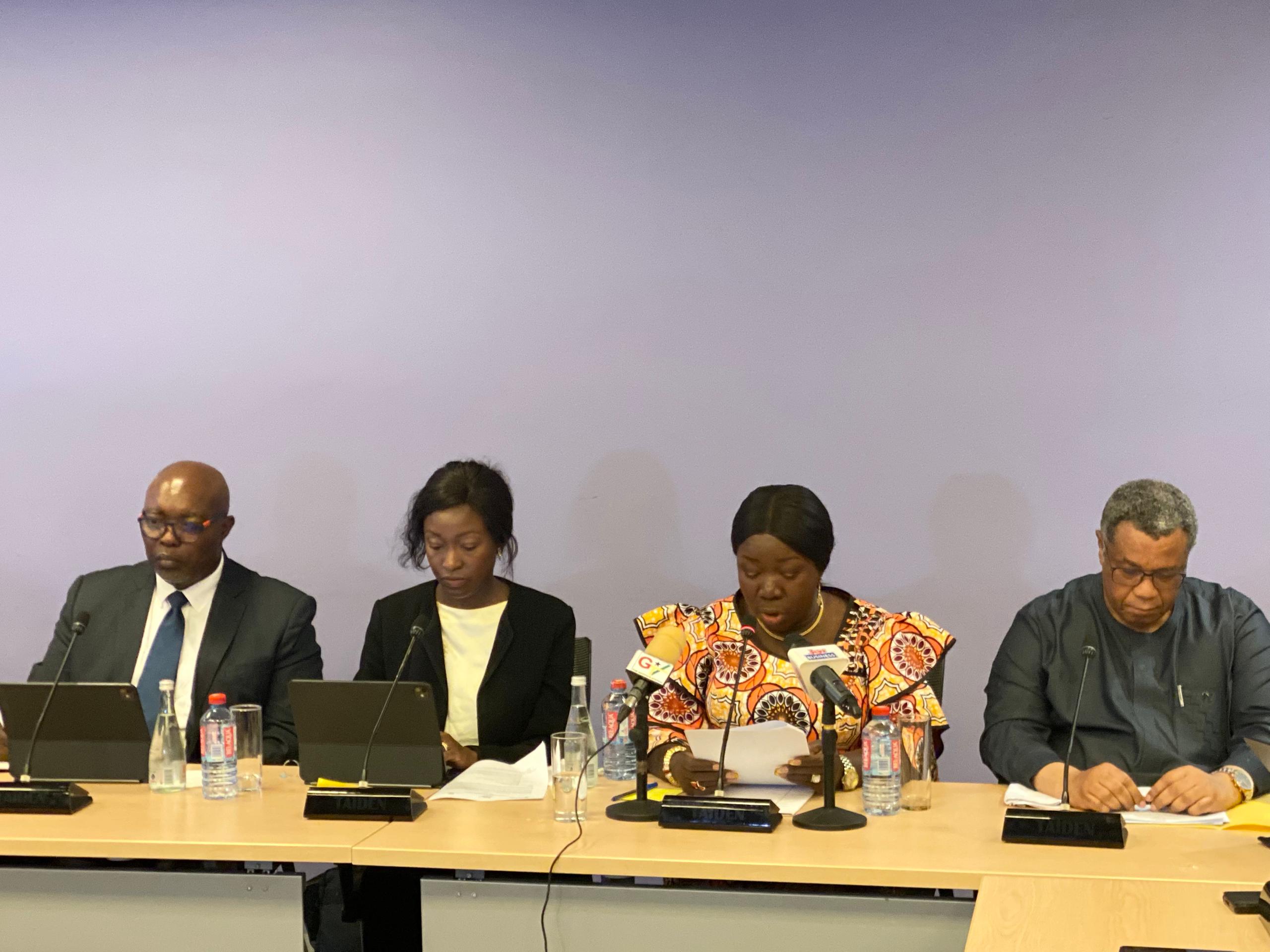
Trade Minister Elizabeth Ofosu-Adjare said the country’s 2025 trade surplus of US$13.6 billion should not be interpreted as a sign of structural transformation, but rather as a starting point for deeper economic change.
Speaking at a World Bank–ACET–ISSER seminar in Accra, she said Ghana remained overly dependent on raw commodity exports despite recent improvements in non-traditional export performance.
Non-traditional exports rose to US$5 billion in 2025, with processed and semi-processed goods increasing by more than 50 per cent to US$3.09 billion. Cocoa derivatives such as butter, paste and powder accounted for a significant share of this growth, signalling gradual progress in value addition. 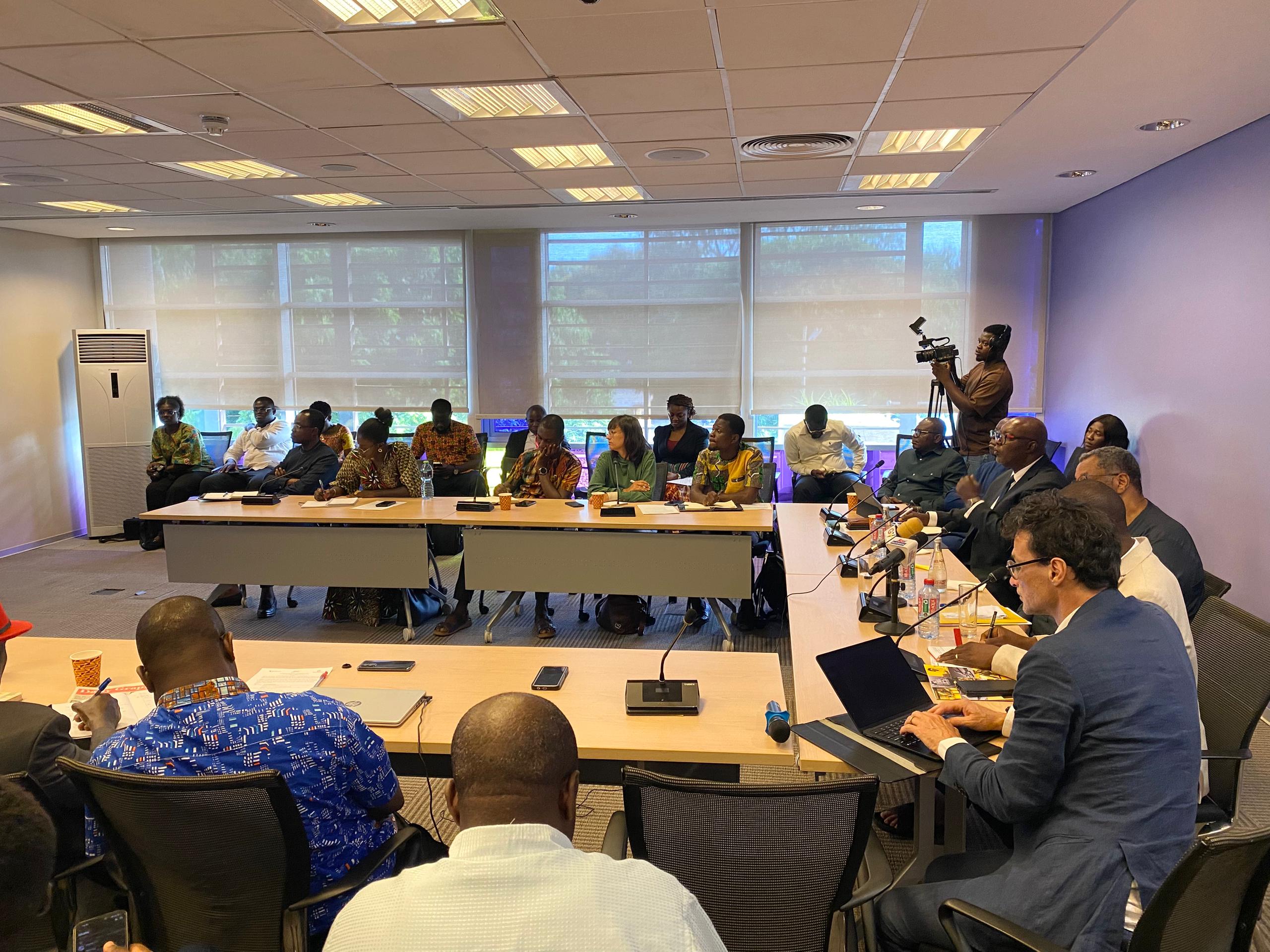 However, Mrs Ofosu-Adjare said the country’s industrial base continues to face structural constraints, particularly shortages of reliable raw materials and underutilisation of production capacity.
To address this, the government has introduced the “Feed the Industry Programme,” aimed at ensuring consistent supply of industrial inputs to local manufacturers. Export restrictions on selected raw materials have also been implemented to prioritise domestic processing.
She added that Ghana is targeting the domestic processing of at least 50 per cent of its cocoa output, backed by more than 500,000 tonnes of grinding capacity. A similar strategy is being pursued in the gold sector, with plans to expand domestic refining and retain more value locally.
The Minister also highlighted ongoing efforts to improve trade facilitation across West Africa, including attempts to harmonise standards within ECOWAS and resolve border inefficiencies affecting regional trade under the African Continental Free Trade Area (AfCFTA).
Officials at the seminar said the key challenge ahead is not macroeconomic stabilisation, but converting improved external balances into industrial expansion, job creation, and export diversification.
The Trade Minister concluded that Ghana’s next phase of development would depend on closer collaboration between government, industry, and research institutions, describing trade transformation as a “construction phase” rather than a policy aspiration.

