

- Ghana Risks Returning to IMF by 2032 – Prof. Bokpin Warns
Economist Professor Godfred Bokpin has warned that Ghana could return to another International Monetary Fund-supported programme by 2032 or 2033 if the country fails to address the structural weaknesses that have repeatedly pushed it into external rescue arrangements.
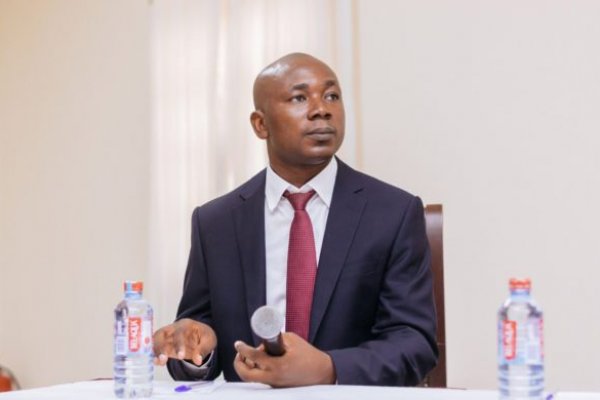
Speaking at the 2026 Axis Pension Trust Pension Strategy Conference, Prof Bokpin said Ghana’s recurring engagements with the IMF reflect a deeper failure to learn from previous programmes and correct the underlying causes of macroeconomic instability.
“The reasons Dr. Kwame Nkrumah cited for approaching the IMF are not substantially different from the reasons we cited in 2022 for our current programme,” he said.
His comments come as Ghana prepares to exit its current $3 billion IMF Extended Credit Facility programme, with policymakers positioning the country for a new non-financing Policy Coordination Instrument intended to preserve reform credibility after the bailout ends.
Prof Bokpin argued that Ghana’s history with the Fund shows a recurring pattern: temporary stabilisation under IMF supervision, followed by policy slippages, fiscal pressure, debt accumulation and renewed macroeconomic stress.
“If we were learning from past programs with determination, we should be able to identify why we have been going there that often,” he said. “When the government announced that they were exiting the programme, we did our analysis and concluded that Ghana will be fully ready for another IMF-supported program by 2032 or 2033.”
The University of Ghana economist linked the risk of another IMF return to persistent vulnerabilities including commodity price volatility, rising public debt, weak external reserves and structural inflation pressures.
He also warned that Ghana’s fiscal vulnerabilities could become more complicated if they coincide with emerging pressures in the country’s pension system, raising the stakes for long-term reform.
Prof Bokpin’s warning strikes at the centre of Ghana’s post-programme policy debate: whether the country can convert the current stabilisation gains into a durable break from the IMF cycle.
Inflation has fallen sharply, reserves have improved and debt indicators have moderated after restructuring. But analysts continue to question whether Ghana has built the institutional discipline required to sustain fiscal consolidation beyond programme conditionality.
The challenge is not merely to exit the IMF programme but to avoid returning to one and that will require stronger domestic revenue mobilisation, credible expenditure control, deeper export diversification, a more disciplined borrowing framework and reforms that reduce the economy’s exposure to commodity and exchange-rate shocks.
Ghana may be preparing to close one IMF chapter, but unless the country confronts the deeper weaknesses that have shaped decades of economic instability, the next chapter could open before the end of the next decade.

