

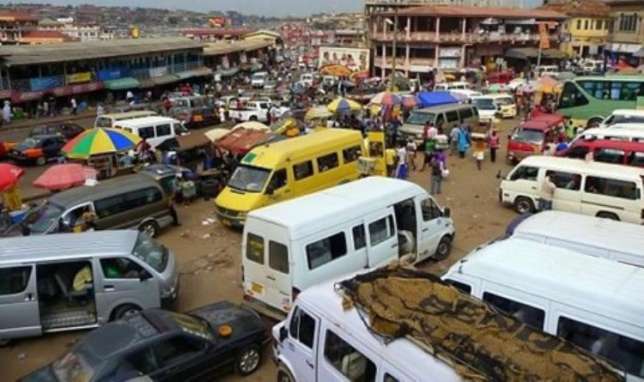

- GPRTU Warns of Fresh Transport Fare Increase as Fuel Costs Squeeze Operators
Ghana’s transport sector is facing renewed pressure for a fare adjustment as higher petroleum prices threaten to reverse the temporary relief created by government intervention last month.
The Ghana Private Road Transport Union says it is reviewing the impact of the latest fuel-price increases before announcing a final position, with operators increasingly concerned that rising costs are making current fares difficult to sustain.
The warning follows a decision by government to reduce the regulatory margin on diesel by GH¢2.00 per litre, a move that led transport operators to suspend an earlier proposal to increase fares by 30.00%. That intervention provided short-term relief, but the latest fuel-price projections suggest the underlying cost pressures have not disappeared.
The Chamber of Oil Marketing Companies has projected petrol prices to rise by 4.80% and diesel by 2.10% from September 1, while LPG prices are expected to decline by about 1.50%.
For transport operators, the significance lies less in the latest percentage increase alone than in the cumulative rise in the cost of running commercial vehicles. Fuel remains one of the largest operating expenses, but drivers and vehicle owners are also facing higher prices for spare parts, lubricants, insurance, licensing and other statutory charges.
Samuel Amoah, Deputy Public Relations Officer of the GPRTU, said the union was waiting to see actual pump prices before taking a final decision.
“We are on standby looking at what will happen at the pump before we take a final decision,” he said.
The union has indicated that a decision on new fares could be announced before the end of the week. Among the options under consideration are retaining the earlier 30.00% proposal, reducing it to 20.00% or settling on another adjustment depending on the movement in operating costs.
The debate highlights the difficult balance between protecting commuters and keeping commercial transport financially viable. Holding fares below operating costs for too long risks undermining vehicle maintenance and the sustainability of transport businesses, while a sharp adjustment would immediately increase the cost of commuting for households.
Mr Amoah argues that the pressure on operators extends well beyond fuel.
“Every component that we are using has gone high. Spare parts are very, very high. Lubricants are high. Taxes, insurance, DVLA, all of them have gone high,” he said.
That broader cost structure matters because a commercial vehicle functions much like a small business. Revenue from fares must cover fuel, tyres, repairs, insurance, licensing, taxes and financing costs before the operator earns a return.
Imported spare parts are also vulnerable to exchange-rate movements and international shipping costs, meaning transport operating expenses can remain elevated even when petroleum prices temporarily stabilise.
The GPRTU says an agreement with government allows fares to be reviewed when fuel-price movements exceed a 10.00% threshold. Mr Amoah has argued that cumulative price changes since the last fare reduction have already gone well beyond that level.
“When we had our 15% reduction and checking where we are now, we have even exceeded close to 40% increment,” he said.
The claim underlines the central problem with temporary fuel interventions. Reducing one petroleum-related charge can provide immediate relief, but it does not necessarily offset increases across the wider cost base of commercial transport.
A fare increase would also have consequences beyond the transport sector itself. Public transport is embedded in the daily operation of Ghana’s urban economy, affecting workers, traders, students and small businesses.
When fares rise, household disposable income falls. Businesses can also face higher labour and logistics costs, while traders may pass increased transport expenses through to the prices of goods.
That creates the risk of second-round inflation. Higher fuel prices raise transport costs, and those costs can subsequently feed into food prices, services and other parts of the economy.
This is why transport fare adjustments are closely watched by policymakers. The effect is not limited to the direct cost of travelling by trotro, taxi or bus, but can spread through the wider inflation basket.
Government’s earlier GH¢2.00 diesel intervention was intended partly to prevent that transmission. But the latest increase in petroleum prices suggests the measure may have delayed rather than eliminated the pressure.
Mr Amoah said it would now be increasingly difficult for union leaders to convince drivers to continue operating at existing fares.
“It will be very, very difficult for us to go back again to convince our drivers not to increase transport fares,” he said.
That presents government with a narrowing set of options. Additional interventions through taxes, margins or subsidies could provide further short-term relief, but they would carry a fiscal cost at a time when public finances remain constrained.
Allowing fares to adjust more freely would protect the economics of commercial transport, but the burden would move directly to passengers. Either approach involves a cost; the question is where that cost ultimately falls.
The GPRTU has previously warned drivers against implementing independent fare increases before an official adjustment is agreed. The current review therefore does not automatically mean fares will rise immediately across the country.
But the pressure is clearly building. Operators say their costs are rising faster than their income from fares, while commuters remain vulnerable to another increase in the cost of daily travel.
The broader challenge for Ghana is to move beyond repeated negotiations triggered by every major change in petroleum prices. A more predictable framework would need to take account of fuel, maintenance, inflation and other operating costs while providing a transparent basis for fare reviews.
Without such a framework, the country risks returning repeatedly to the same cycle: fuel prices rise, operators demand higher fares, government intervenes temporarily and the underlying cost pressure re-emerges.
The immediate decision rests with the GPRTU and government. But the economic issue is much larger than the price of a single journey.
Transport is one of the channels through which energy costs spread across the economy. When fuel becomes more expensive, the question is not whether someone will eventually pay more, but whether that burden falls on operators, government or passengers.

