

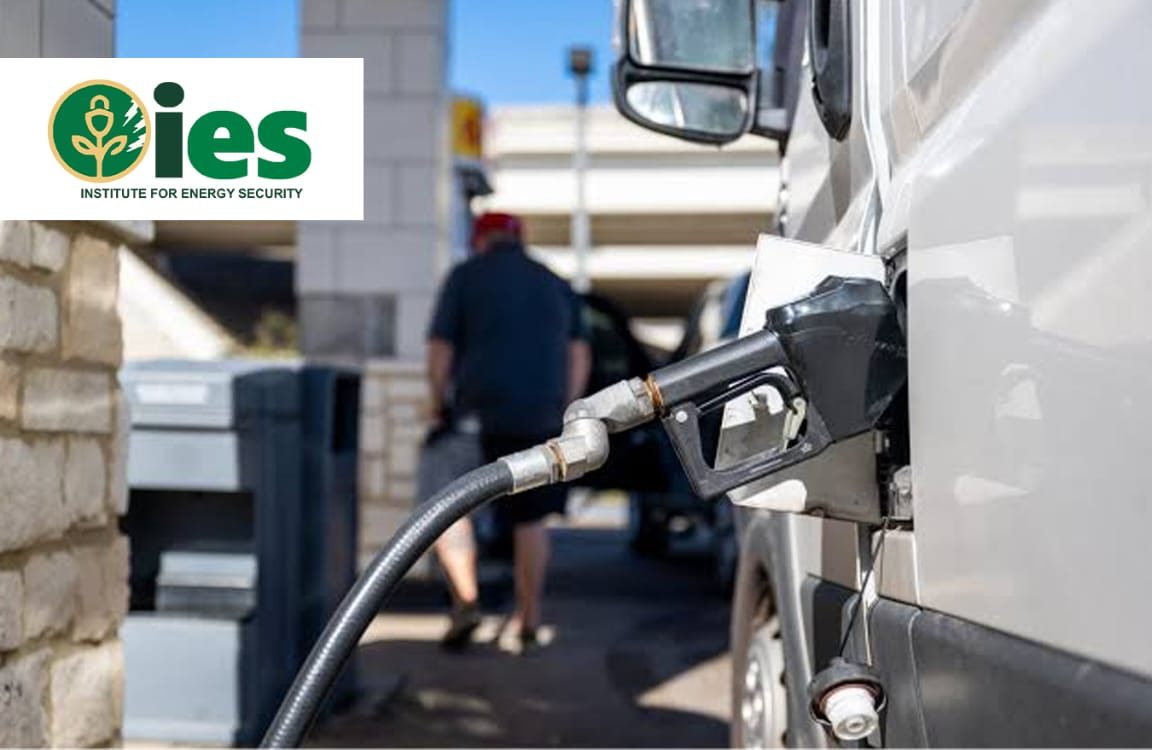

- IES Projects Petrol at GH¢14.53 and Diesel at GH¢16.97 as US-Iran Tensions Lift Fuel Costs
The Institute for Energy Security has projected a significant increase in petroleum prices during the first pricing window of August, with petrol expected to sell at a minimum of GH¢14.53 per litre and diesel at GH¢16.97 per litre.
The energy policy think tank attributed the anticipated increases largely to escalating tensions between the United States and Iran, which have heightened uncertainty in global crude oil and refined petroleum markets.
The projected diesel price represents the most substantial concern for businesses and households because of the fuel’s broad use across commercial transport, mining, agriculture, construction, manufacturing and electricity generation.
Diesel is particularly important to Ghana’s productive economy, powering trucks, heavy machinery, farm equipment and standby generators. Any sharp increase in its price therefore has the potential to raise operating costs across several industries simultaneously.
The anticipated petrol price of GH¢14.53 per litre is also expected to increase transportation expenses for private motorists, taxi operators and ride-hailing drivers, while the diesel benchmark of GH¢16.97 could place additional pressure on freight and public transport operators.
Oil Marketing Companies may ultimately sell above the projected minimum prices, depending on their supply costs, margins and other components of the petroleum pricing formula.
The projections reinforce concerns that renewed global energy-market volatility could interrupt Ghana’s recent progress in reducing inflation.
Fuel prices influence inflation directly through the transport component of the consumer price index and indirectly through the cost of producing and distributing food, manufactured goods and essential services.
Transport operators facing higher fuel bills may seek adjustments in fares, while businesses may pass part of their increased logistics and production costs to consumers.
The effect could be particularly significant for food prices because agricultural produce is transported over long distances from farming communities to wholesale and retail markets.
For manufacturers, higher diesel prices could increase the cost of operating machinery and backup generators, particularly for businesses that continue to experience interruptions in electricity supply.
Mining and construction companies may also face higher operating expenses because their activities rely heavily on diesel-powered equipment.
The latest projections come as geopolitical developments increasingly influence Ghana’s domestic fuel market.
Tensions involving the United States and Iran have raised fears of disruptions to petroleum production and shipments through strategically important trade routes in the Middle East.
Any sustained disruption to crude oil supplies or shipping could raise global oil prices, freight costs and insurance premiums.
Because Ghana imports a significant proportion of the refined petroleum products consumed domestically, international price increases are transmitted relatively quickly to local pump prices.
The performance of the cedi is another important component of the pricing outlook.
Petroleum imports are largely settled in US dollars, meaning that depreciation of the local currency increases the cedi cost of bringing petrol and diesel into the country even where international product prices remain stable.
The combined effect of rising global prices and exchange-rate pressure can therefore produce larger domestic price adjustments than either factor would generate independently.
For households, the August increases could weaken purchasing power at a time when many consumers are still recovering from an extended period of elevated living costs.
Higher expenditure on fuel and transportation may leave less disposable income available for food, healthcare, education and other essential needs.
The development also presents a policy challenge for the government and the Bank of Ghana.
Authorities are seeking to preserve macroeconomic stability and sustain the downward trend in inflation, but fuel-price shocks remain difficult to control because they are shaped by external commodity markets and currency movements.
A single pricing-window increase may not fundamentally alter the inflation outlook if global oil prices and the cedi subsequently stabilise.
However, repeated adjustments could generate more persistent price pressures, particularly if transport fares and production costs begin to rise across the economy.
The first pricing window of August will therefore be closely watched by businesses, consumers and policymakers.
The key issue will not only be the final prices displayed at fuel stations but whether the increase becomes the start of a sustained upward trend.
For now, the Institute for Energy Security’s projection signals that geopolitical tensions are beginning to translate into tangible costs for Ghanaian households and businesses, with diesel emerging as the most significant source of near-term inflationary pressure.

