


- IMF Says Smarter Taxation Can Lift Growth Without Widening Budget Deficits
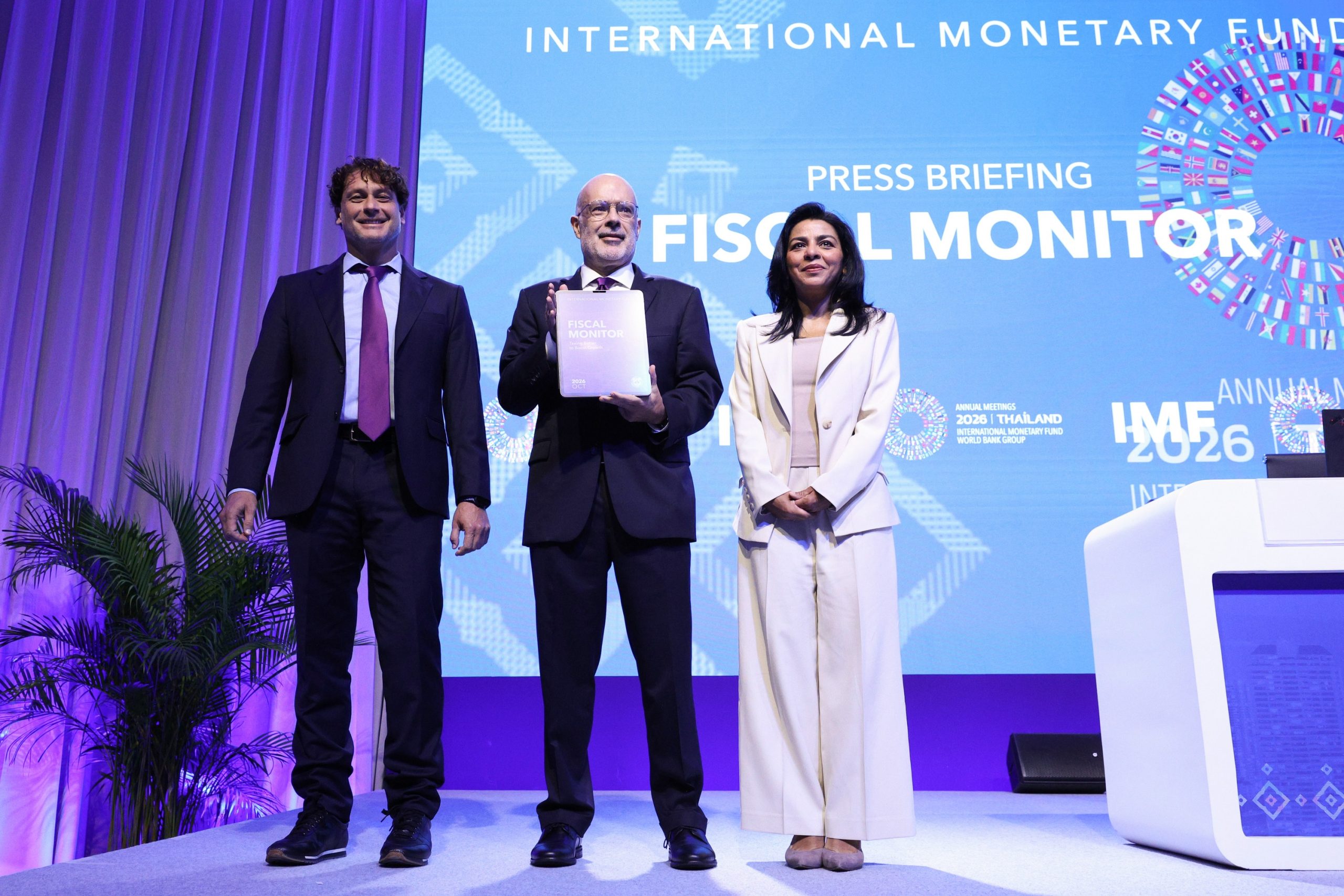
Governments struggling with heavy debt, expensive borrowing and weak growth do not necessarily need sweeping tax cuts to stimulate their economies. They may achieve more by redesigning how existing taxes are collected, refunded and targeted, according to the International Monetary Fund’s October 2026 Fiscal Monitor.
The report’s central message is both simple and politically demanding: how governments raise revenue matters as much as the amount they collect. Tax systems can finance public services while simultaneously discouraging investment, formal employment and business expansion if their structure imposes unnecessary costs on production.
Conversely, governments can support growth without sacrificing revenue by removing distortions within existing systems. This is especially relevant to countries facing narrow fiscal space, where broad tax reductions could undermine debt sustainability or force cuts to essential expenditure.
“Taxing better can support growth even when fiscal space is limited,” the IMF said. High public debt, elevated financing costs, increasing spending pressures and disappointing medium-term growth have left many governments with little room for unfunded tax relief.
The Fund therefore shifts the policy debate away from the familiar argument over whether taxes should rise or fall. Its focus is on whether taxes are designed and administered in ways that allow firms to invest, workers to enter formal employment and economies to allocate resources productively.
The distinction matters for emerging and developing economies, including Ghana, where governments must mobilise revenue while avoiding policies that suppress the businesses expected to create jobs. A tax system can meet a collection target and still damage growth if refunds are delayed, exemptions distort competition or compliance consumes disproportionate time and money.
Value-added tax is a central example. A properly designed VAT taxes final consumption rather than production. Businesses should be able to recover taxes paid on inputs so that the levy does not accumulate across supply chains and inflate production costs.
Where refunds are unreliable, VAT effectively becomes a tax on working capital. Businesses finance the state while waiting for repayments, limiting the cash available. Smaller firms, which have less access to affordable credit, bear the heaviest burden.
The IMF estimates that reducing VAT-related distortions in production and consumption could generate economy-wide welfare gains of as much as 0.8 per cent of gross domestic product in emerging-market and developing economies.
That estimate reframes VAT reform as a growth strategy rather than an administrative exercise. Limiting exemptions while building a credible refund system could widen the effective base, reduce opportunities for preferential treatment and lower the cost imposed on compliant businesses.
Corporate taxation presents another opportunity. The Fund argues that businesses should recover investment costs more quickly while governments preserve taxation of economic rents. Removing tax-driven increases in the cost of capital could raise long-term GDP by an estimated 2.1 to 2.7 per cent.
The implication is not that corporate taxes should disappear. It is that tax rules should distinguish between ordinary investment costs and returns exceeding what is required to attract investment. Allowing faster cost recovery can encourage firms to purchase equipment, adopt technology and expand productive capacity without abandoning the taxation of exceptional profits.
Tax incentives also require sharper targeting. Governments frequently offer exemptions or concessions based on firm size, sector or promised investment, even when the activity might have occurred without public support. Such incentives can become expensive rewards for behaviour that was already commercially attractive.
Employment taxes and benefits should similarly be designed so that entering work or earning more remains financially worthwhile. Poorly structured systems can create steep effective tax rates when workers lose benefits as their incomes rise, discouraging formal employment or additional hours.
Reforms that strengthen work incentives could increase employment rates by approximately 1.2 percentage points in emerging-market and developing economies and 0.8 percentage point in advanced economies, the Fiscal Monitor estimates.
These gains, however, depend on administration. Policies written elegantly into tax legislation accomplish little if registration, filing, payment, verification and refund systems remain weak. The IMF found that countries at the 67th percentile for the operational strength of tax administration collect about 1.7 percentage points of GDP more than those at the 33rd percentile.
Stronger administration can therefore raise revenue without creating new tax rates. It can collect liabilities already due, reduce evasion and make compliance less burdensome for small and young enterprises. It can also narrow productivity differences between firms by preventing non-compliant competitors from gaining an unfair cost advantage.
For countries with limited administrative capacity, the IMF recommends prioritising basic functions: registration, filing, payment, refunds and compliance management. More complex incentives should follow only when governments can verify claims and control abuse.
Governments can also smooth tax thresholds that unintentionally discourage firms from growing. When crossing a turnover or employment threshold triggers a sharp rise in tax and compliance obligations, businesses may remain artificially small, divide operations or underreport sales.
The greatest obstacles may be political rather than technical. Tax reforms often impose immediate and visible losses on groups benefiting from exemptions, while the resulting gains in efficiency, investment and employment emerge gradually and are spread across society.
This is particularly important because removing an exemption can be portrayed as a tax increase even when the broader package is revenue-neutral. Governments must demonstrate who benefits, how compliance will improve and what safeguards will protect vulnerable households.
The Fiscal Monitor does not argue that better taxation eliminates the need for additional revenue where fiscal gaps remain. Nor does efficiency replace equity. Its argument is that necessary revenue should be collected at the lowest possible cost to production, employment and innovation.
For Ghana and comparable economies, the report offers a demanding benchmark. Revenue mobilisation should not be judged exclusively by annual collection figures. It should also be assessed by refund reliability, investment incentives, compliance costs, employment effects and public confidence in fairness.
The most successful tax reform may therefore be one that raises no new headline rate. By collecting existing obligations more effectively and removing distortions that punish productive activity, governments can strengthen both growth and the public finances supporting it.

