

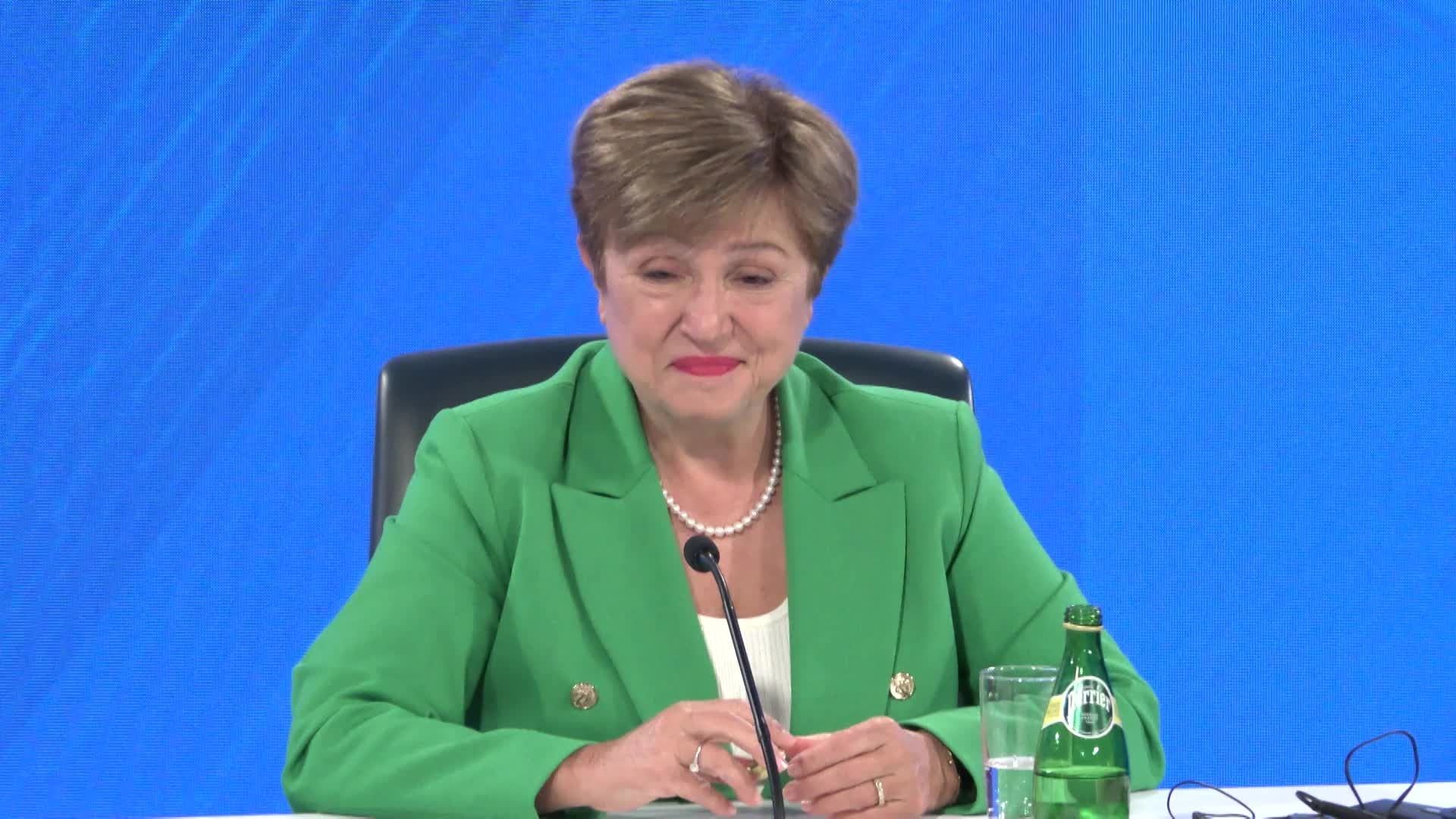

- IMF Sees Lingering Inflation Pressure as Fuel and Gas Prices Stay Elevated
Global commodity prices remain elevated despite the recent retreat in oil prices, leaving import-dependent economies exposed to renewed inflationary pressure, higher import bills and tighter fiscal conditions, the International Monetary Fund has warned.
In its July 2026 World Economic Outlook, the IMF said easing geopolitical tensions had helped cool energy markets after earlier fears of prolonged supply disruptions. Ceasefires and a memorandum of understanding between Iran and the United States have reduced immediate concerns about supply interruptions, encouraging inventory drawdowns and easing pressure on global supply chains.
But the Fund cautioned that the moderation in energy prices should not be mistaken for a full return to normal market conditions. Energy prices remain about 25.00% higher than before the conflict, underscoring the lasting impact of geopolitical instability on global commodity markets.
Oil futures also continue to trade in backwardation, with spot prices above futures contracts through the end of 2026. This signals that markets still see near-term supply constraints, even if the worst of the price spike has eased.
The IMF now projects the average petroleum spot price index at US$78.00 per barrel in 2026. That is below the US$82.00 per barrel forecast in its April baseline outlook and significantly lower than the US$100.00 per barrel assumed under its earlier adverse scenario.
The downward revision reflects the use of strategic inventories to offset reduced oil flows through the Strait of Hormuz, limiting the need for sharper price adjustments. The Strait remains one of the world’s most important energy transit routes, and any disruption to flows through the corridor tends to feed quickly into global energy prices, shipping costs and inflation expectations.
However, the IMF stressed that the impact of lower benchmark oil prices will vary significantly across countries. For import-dependent economies, the cost of energy does not depend only on the global headline price. It is also shaped by crude quality, shipping distances, long-term bilateral supply agreements, sanctions, exchange-rate movements, domestic tax structures, subsidies and market regulations.
This means that the same global oil price can translate into very different local fuel prices across regions. Since the conflict began, retail gasoline prices have increased by about 30.00% in emerging Asia, compared with roughly 15.00% in Latin America. The variation highlights how global shocks are transmitted unevenly depending on policy choices, supply arrangements and market structures.
Natural gas markets show a similar divergence. Liquefied natural gas prices have surged by about 50.00% in Asia and 25.00% in Europe, while the US Henry Hub benchmark has risen by only about 10.00%. The IMF said this reflects the regional nature of gas markets, where infrastructure, contracts, supply routes and import dependence can produce sharply different price outcomes.
For economies such as Ghana, the IMF’s assessment carries direct policy implications. Although the worst of the recent energy price surge may have passed, elevated commodity prices continue to threaten inflation, external balances and fiscal management.
Ghana remains exposed to imported fuel costs, freight charges, exchange-rate movements and global commodity cycles. Even where domestic inflation is easing, higher energy and commodity import costs can quickly feed into transport fares, food distribution, utility costs and business operating expenses.
The Fund’s warning therefore reinforces the case for cautious macroeconomic management. Lower oil prices may offer some relief to importers and consumers, but the persistence of elevated energy prices means central banks and finance ministries cannot assume that inflation risks have fully receded.
For policymakers, the challenge is to distinguish between temporary relief and durable disinflation. A fall in crude benchmarks can ease market sentiment, but if energy prices remain structurally above pre-conflict levels, inflation expectations may remain vulnerable.
The implications also extend to fiscal policy. In countries where governments subsidise fuel or electricity, elevated commodity prices can increase the fiscal burden. Where subsidies are limited, the pressure shifts directly to consumers and businesses through higher pump prices, transport costs and production expenses.
For businesses, particularly those dependent on imported inputs, the persistence of high commodity prices could keep margins under pressure. Manufacturers, transport operators, food processors and retailers may continue to face cost challenges even if global oil prices are below their April peaks.
The IMF’s broader message is that the commodity shock has softened, but it has not disappeared. Geopolitical easing has reduced the immediate fear of a severe supply disruption, but the price level remains high enough to keep inflation risks alive.
For Ghana and other import-dependent economies, this means policy must remain anchored on prudence. Exchange-rate stability, careful liquidity management, targeted fiscal spending and credible inflation control will remain essential if governments are to protect households from another round of externally driven price pressures.
The retreat in oil prices is therefore welcome, but incomplete. The global economy may have avoided the worst-case energy shock, but elevated commodity prices continue to test the resilience of vulnerable economies.
As the IMF’s assessment suggests, the inflation story is no longer only about whether oil prices are rising or falling. It is about whether global energy and commodity prices have settled at levels high enough to keep cost-of-living pressures alive long after the initial conflict shock has eased.

