

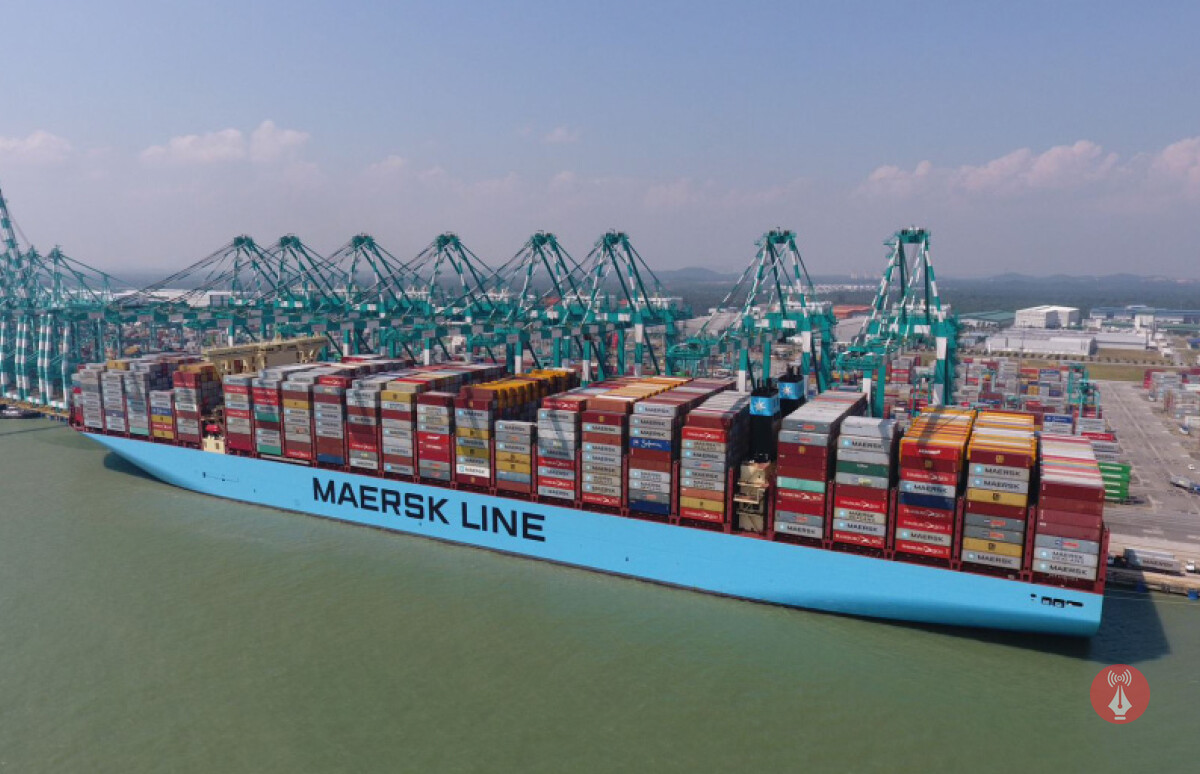

- Maersk Suspension Jolts Berbera Corridor as Ethiopia’s Trade Diversification Faces Setback
A temporary decision by Maersk to suspend new cargo bookings to and from the Port of Berbera has exposed the fragility of one of the Horn of Africa’s most strategically important trade routes, raising new questions about how quickly Ethiopia can reduce its heavy dependence on a narrow set of coastal gateways.
According to news reports, the global shipping group has halted acceptance of new bookings to and from Berbera with immediate effect, citing scheduling changes. Existing shipments already in the system will continue to their final destination, but the disruption still lands heavily on a corridor that has become increasingly important for inland trade flows between Somaliland’s coast and Ethiopia’s import-reliant economy.
Berbera has not simply been another port option but rather part of a wider strategic effort to create alternatives to Djibouti, the gateway through which most Ethiopian trade still passes. In recent years, the corridor has helped move fuel, consumer goods and construction materials inland, while also supporting export flows such as livestock. Its value has been as much about diversification as about volume.
Maersk said its continued services through Djibouti, Mogadishu and Mombasa remain available, and those routes may offer temporary relief for affected customers. But relief is not the same as replacement. Shifting volumes back to other ports is likely to increase freight costs, stretch transit times and place more pressure on infrastructure that is already carrying significant regional traffic.
That is the deeper commercial problem now facing traders. The suspension may be temporary, but supply chains in the Horn of Africa are not built for repeated shocks without cost. Even short interruptions can ripple quickly through transport schedules, customs clearance, inland haulage and inventory planning. For Ethiopia especially, where access to global trade depends structurally on coastal logistics, any disturbance in port connectivity becomes more than a shipping issue. It becomes a trade and inflation issue too.
For Somaliland, the pause is also symbolically significant. Berbera has been central to its ambition to establish itself as a regional logistics hub, not only for its own economy but for a wider hinterland market. Reduced activity at the port, even temporarily, risks slowing that momentum and reinforcing the commercial gravity of older routes.
The disruption comes amid continued instability in the Red Sea and Gulf of Aden shipping lanes, where carriers have had to keep adjusting schedules and port calls. In that environment, even operational changes that might normally be manageable can take on wider strategic consequences.
For traders and logistics operators, the immediate concern will be practical: cost, delay and rerouting. But for policymakers across the Horn, the bigger question is strategic. If one suspended booking line can push cargo back toward congested alternatives, then the region’s logistics resilience remains thinner than its trade ambitions suggest.

