


- Mahama Reignites TOR as Ghana Restarts Domestic Crude Oil Refining
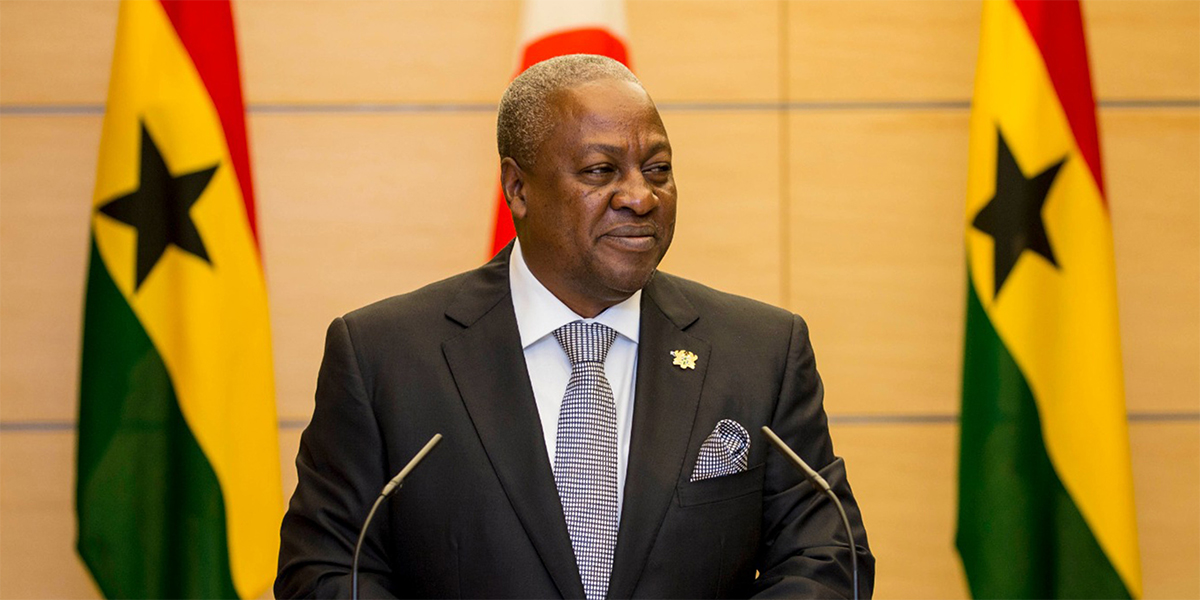
Ghana has restarted domestic crude oil refining after President John Dramani Mahama commissioned the refurbished Crude Distillation Unit at the Tema Oil Refinery, marking a significant step in efforts to revive the country’s only state-owned refinery and reduce its dependence on imported petroleum products.
The commissioning also coincided with the delivery of Jubilee crude to TOR for processing, returning locally produced oil to Ghana’s refining system after years of limited operational activity.
The development is economically significant for a country that produces crude oil but continues to rely heavily on imports of petrol, diesel and other finished petroleum products to meet domestic demand.
Restoring TOR’s refining capacity could allow Ghana to retain more value from its petroleum resources while reducing part of the foreign-exchange demand associated with importing finished fuels.
At the centre of the rehabilitation is the Crude Distillation Unit, the refinery’s primary processing facility. The unit separates crude oil into different petroleum fractions that can subsequently be processed into products including petrol, diesel and kerosene.
Its return to operation therefore restores one of the fundamental capabilities required for TOR to resume meaningful refining activity.
Speaking at the commissioning ceremony, President Mahama praised the refinery’s board, management and workforce for completing the refurbishment without direct financial support from the government.
He presented the turnaround as evidence that distressed state-owned enterprises can recover when management discipline, technical expertise and strategic partnerships are combined with greater institutional responsibility.
The President said TOR’s revival demonstrated the potential for public enterprises to innovate and execute operational reforms without relying entirely on direct budgetary support.
That point is particularly important given TOR’s long history of financial and operational difficulties.
For years, the refinery has struggled with ageing equipment, financing constraints, debt and intermittent shutdowns, leaving Ghana increasingly dependent on imported finished petroleum products even after commercial oil production began.
The latest restart will therefore be judged less by the commissioning ceremony than by whether TOR can sustain regular production.
Continuous crude supply, adequate working capital, reliable maintenance and disciplined commercial management will be critical if the refinery is to avoid returning to the cycle of interruptions that characterised much of its recent history.
The use of Jubilee crude also strengthens the link between Ghana’s upstream oil industry and its domestic downstream market.
Rather than exporting crude and importing a substantial proportion of refined fuels, increased local processing could allow more value to be captured within the Ghanaian economy through refining, storage, transportation and associated services.
The potential foreign-exchange impact is also significant.
Petroleum-product imports represent an important component of Ghana’s merchandise import bill and generate persistent demand for foreign currency. Greater domestic refining would not eliminate the need for imports, particularly where local capacity remains insufficient, but it could reduce the volume of finished products that must be purchased externally.
Domestic refining could additionally strengthen fuel-supply security by reducing Ghana’s exposure to disruptions in international refining centres, shipping markets and global petroleum-product trading.
That benefit has become increasingly relevant as geopolitical conflicts and refinery disruptions have contributed to volatility across international energy markets.
The government is also positioning the revival within a broader industrial policy focused on local value addition.
Processing more Ghanaian crude domestically would represent a shift from simply extracting and exporting natural resources towards building greater industrial activity around them.
However, commercial competitiveness will remain essential.
TOR will have to demonstrate that it can process crude efficiently enough to compete with imported products from large international refineries that often benefit from greater scale and lower unit costs.
The refinery’s future will therefore depend on more than technical rehabilitation. Pricing, crude-procurement arrangements, debt management, governance and operational efficiency will all determine whether the restart develops into a sustainable commercial recovery.
For Ghana, the commissioning represents an important return of strategic industrial capacity.
The next phase will determine whether TOR can move from periodic rehabilitation to dependable production and become a commercially viable part of Ghana’s downstream petroleum industry.
If that objective is achieved, the refinery’s revival could strengthen energy security, support industrialisation and allow Ghana to capture a greater share of the economic value generated from its own crude oil.

