
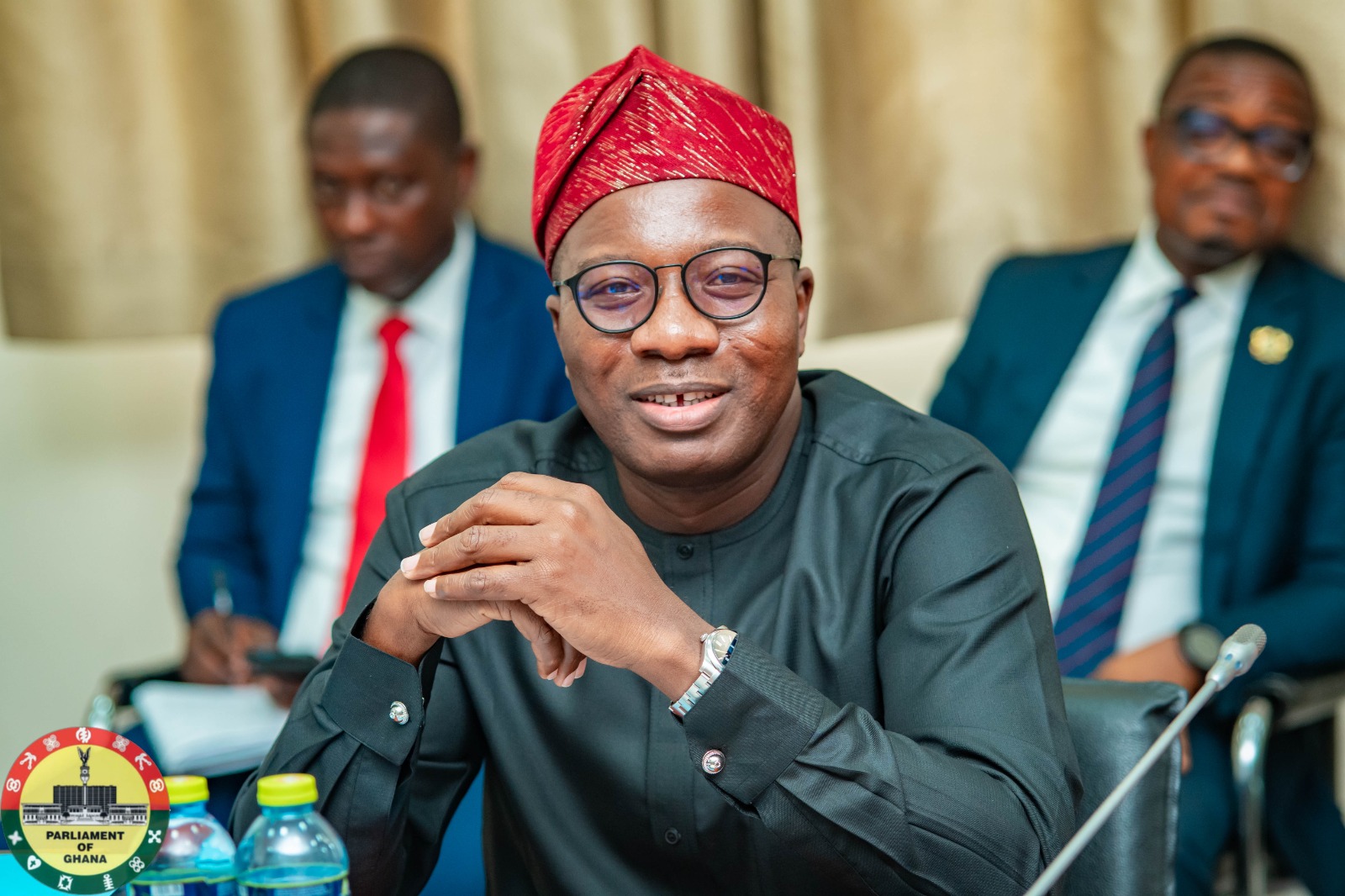

- Majority Leader Assures Minority of Open Scrutiny as Mining Agreements Return to Parliament
Majority Leader Mahama Ayariga has assured the Minority in Parliament that all mining agreements expected to be brought before the House, including the Damang agreement, will be subjected to full and transparent scrutiny before approval.
The assurance comes amid renewed political and public interest in Ghana’s mining agreements, following earlier concerns from Minority MPs and policy analysts over the structure of some mining and lithium-related deals and whether the country had secured the best possible terms.
Speaking at the Leadership Media Brief , Mr Ayariga said government was committed to ensuring that Members of Parliament had equal access to the relevant documents and enough opportunity to examine the terms before any decision was taken.
“So I just want to urge the minority that there will be full transparency displayed in the House when we are considering these agreements. Copies will be made available to everybody and we’ll compare the agreement with all previous agreements and see if there’s any difference in terms of the Damang agreement and all agreements that have been approved in the last eight years,” he said.
The Majority Leader’s comments were directed at easing Minority concerns ahead of the expected reintroduction of mining agreements that had previously drawn intense scrutiny.
At the first sitting of the 9th Parliament, the Ministry of Lands and Natural Resources withdrew revised mining agreements from the House, including a recent lithium deal. Deputy Lands and Natural Resources Minister Yusif Sulemana explained at the time that the withdrawal was intended to allow broader engagement before the agreements were reintroduced for ratification.
The move followed mounting questions over Ghana’s negotiating position in strategic mining deals, especially as the country seeks to retain more value from its mineral resources while preserving investor confidence in the extractive sector.
Mr Ayariga said Parliament would not only examine the new agreements in isolation, but would also benchmark them against agreements approved over the past eight years.
That comparative review could prove politically significant. It would allow MPs to assess whether the new terms represent an improvement, continuity or deterioration in Ghana’s approach to mining agreements, particularly around royalties, tax obligations, local content, state participation, environmental safeguards and value retention.
For the Minority, the test will be whether the promised transparency translates into early access to documents, sufficient time for committee-level scrutiny and open debate on the fiscal, legal and development implications of each agreement.
For government, the challenge will be to show that its mining policy is not only politically defensible, but commercially sound and legally robust.
Ghana’s mining sector remains one of the country’s most important sources of export earnings, fiscal revenue and foreign exchange inflows. But it has also become a centre of policy debate as citizens demand greater accountability over how mineral rights are negotiated and how benefits are shared between investors, the state and host communities.
The latest assurance from the Majority Leader therefore signals an attempt to lower political temperature before the agreements return to the floor.

