

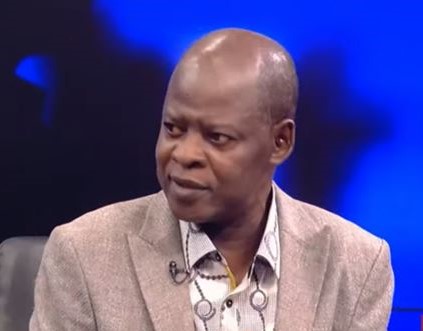

MDF Implementation Weak, Plagued by Legal Gaps and Funding Shortfalls – Dr Steve Manteaw
Co-Chair of the Ghana Extractive Industries Transparency Initiative (GHEITI), Dr Steve Manteaw, has raised concerns over the implementation of the Minerals Development Fund (MDF), describing it as inefficient, legally weak, and undermined by persistent breaches of the law.
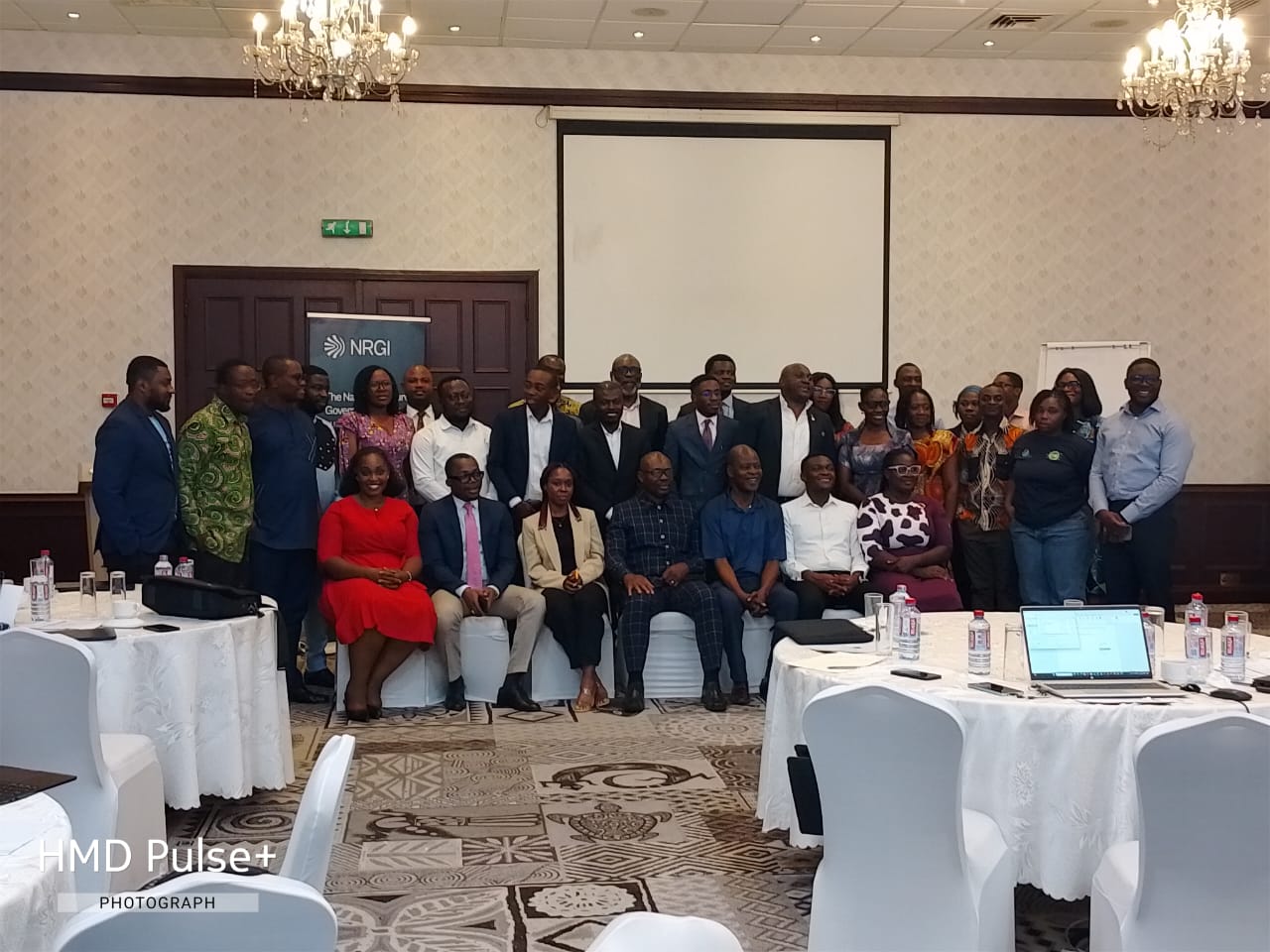
Speaking at a stakeholder engagement on the governance and disbursement of mineral royalties under the MDF, organised by the Natural Resource Governance Institute (NRGI) and the Centre for Extractives and Development Africa (CEDA), Dr Manteaw noted that the framework guiding the Fund’s operations remains incomplete, thereby allowing excessive human discretion and weakening accountability.
“There is no doubt that the implementation of the MDF has not been the best. It has been sluggish and characterized by wanton breaches of the law, mostly because it lacks the full complement of legal instruments to reduce human discretion,” he stated.
According to him, delays in the release of funds to beneficiary institutions remain a major concern, with Parliament’s Select Committee on Mines and Energy previously declaring such delays a violation of the MDF Act.
He explained that Section 4.3 of the Act mandates that funds meant for the MDF must be lodged within six working days, stressing that non-compliance constitutes a breach of the law.
Dr Manteaw further highlighted structural weaknesses in Ghana’s legal framework, arguing that while laws often prohibit certain actions, they frequently lack clear sanctions for breaches by state actors.
“Our laws are weak in the sense that they prohibit certain actions, but when those prohibited actions are infringed by state actors, there are often no remedies or sanctions,” he noted, citing recurring violations under the Petroleum Revenue Management Act.
On funding flows, he revealed that between 2017 and 2021, expected mineral royalty transfers to the MDF exceeded GH¢1 billion, but only about half of that amount was actually received, resulting in a shortfall of nearly 50%.
“That is a very serious violation and inconsistent with the law. It deprives mining communities of the resources needed to finance local economic development,” he added.
He attributed part of the inefficiencies to the absence of regulations to operationalize the MDF Act, despite a legal requirement for such regulations to be developed within one year of the Act’s passage.
“As we speak, there are no regulations to the MDF Act, even though the law mandates the Minister to develop them. When the law says ‘shall’, it is mandatory,” he emphasised.
Dr Manteaw also pointed to governance lapses in the early years of the Fund, noting that the MDF Board was constituted three years after the law was passed, during which period funds were disbursed without proper oversight.
Additional concerns raised include weak monitoring systems, lack of transparency in disbursements, bureaucratic delays, and limited visibility over funds due, transferred, and received by beneficiary communities.
He further criticised the implementation of local development interventions under the MDF, including instances where communities were issued “dummy cheques” without clarity on their actual entitlements, as well as the diversion of funds into projects not aligned with statutory distribution formulas.
Dr Manteaw called for stronger civic action, legal reforms, and enhanced parliamentary oversight to ensure compliance with the MDF Act and improve transparency in the management of mineral royalties.
He also urged civil society organisations (CSOs) to sustain advocacy beyond the passage of laws, stressing the need to ensure full implementation through the development of regulations, institutional readiness, and political commitment.
“The passage of a law is only the beginning. Without sustained pressure to implement it, the outcomes will fall short of expectations,” he stated.
The MDF was established to ensure equitable distribution of mineral royalties and support development in mining-affected communities, which often bear the environmental and social costs of extractive activities.

