

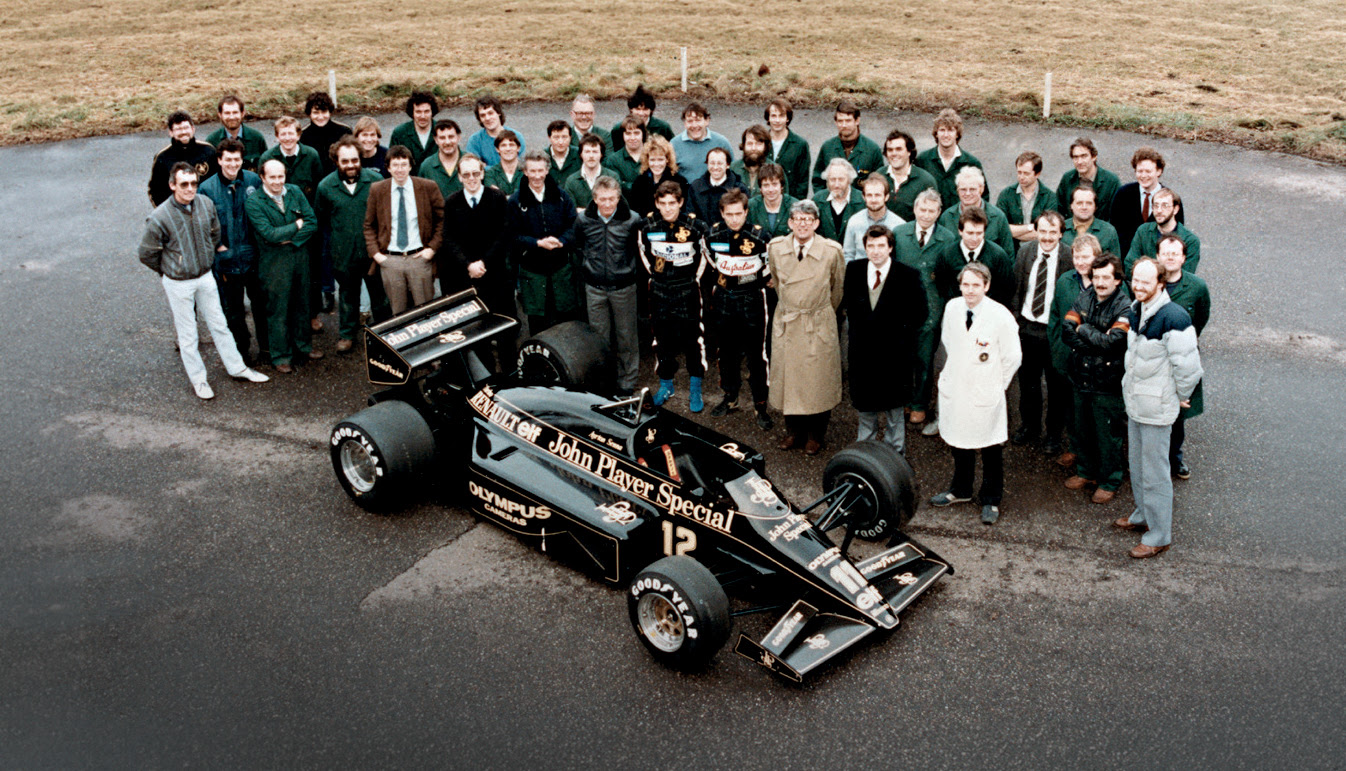

- Memento Exclusives Revives Ayrton Senna’s 1985 Lotus 97T in 10-Car Heritage Run
Memento Exclusives is recreating one of Formula One’s most recognisable cars, the Lotus 97T raced by Ayrton Senna and Elio De Angelis in 1985, in an ultra-limited run of just 10 full-scale show cars developed in partnership with Classic Team Lotus.
The project, unveiled on September 14, marks the first heritage edition produced by Memento Exclusives, best known for supplying Formula 1 show cars and operating the officially licensed F1 Authentics platform.
The company has spent recent years producing one-to-one replicas of current-generation Formula 1 machinery for teams across the grid, with its cars appearing at launches, exhibitions, race circuits and commercial activations.
The Lotus 97T project moves that model into a different market: historically significant Formula 1 machinery intended primarily for collectors seeking an officially endorsed physical representation of some of the sport’s most celebrated cars.
Only 10 examples will be produced worldwide.
Each will carry an individual chassis plate and be uniquely registered within the Team Lotus archive, giving the limited production run a formal connection to the organisation that preserves the legacy of the original Formula One team.
Unlike modern show cars, which can be recreated using contemporary computer-aided design data and digital engineering information, the 97T has required Memento Exclusives to work from historical material dating back more than four decades.
Classic Team Lotus has opened archive resources previously unused for a project of this kind, including hand-drawn designs, original build documentation, design information and heritage reference material.
The cars are expected to use many of the same materials and construction techniques associated with the original 97T, with input from individuals who worked on the Formula 1 car in 1985.
That gives the project a degree of historical authenticity that differentiates it from a conventional replica exercise.
The choice of the 97T is significant.
The car represented Team Lotus’s return to Grand Prix-winning form three years after the death of founder Colin Chapman and remains closely associated with the black-and-gold John Player Special era that produced some of Formula One’s most distinctive designs.
French designer Gérard Ducarouge, then Technical Director, was responsible for a car that combined visual appeal with formidable qualifying speed.
For the 1985 season, De Angelis was joined at Lotus by Senna, then one of Formula One’s most promising young drivers.
The defining moment came at the Portuguese Grand Prix, the third race of the season, when severe wet weather provided the stage for Senna’s first Formula One victory.
Senna led from start to finish and won by more than a minute, establishing himself as one of the outstanding wet-weather drivers of his generation while giving the 97T its first victory.
De Angelis followed at the next round with victory at the San Marino Grand Prix, before Senna added another win in Belgium.
Across the 16-race season, the 97T secured seven pole positions, demonstrating a qualifying performance that helped cement the car’s place in Team Lotus history.
Its connection to Senna, whose career would subsequently become one of the defining stories of modern Formula One, has made the 97T particularly resonant among collectors.
For Memento Exclusives, the project represents an attempt to combine that emotional appeal with a premium sports-memorabilia business increasingly built around scarcity, authenticity and direct relationships with rights holders.
The company’s Formula 1 business already extends beyond conventional merchandise into show cars, race-used components, signed memorabilia and collectibles offered through F1 Authentics.
The heritage programme potentially opens another segment: significant historic cars that cannot realistically enter the ownership market in meaningful numbers but can be recreated as officially supported display pieces.
That scarcity is central to the commercial proposition.
With only 10 Lotus 97T show cars being produced and each individually recorded within the Team Lotus archive, Memento Exclusives is positioning the project less as mass-market memorabilia and more as a high-end collector asset.
The company is also documenting the development process through a YouTube series offering behind-the-scenes footage, interviews and details about how the historic Formula 1 design is being reconstructed.
Classic Team Lotus Managing Director Clive Chapman said the enduring response to the 97T made it particularly suitable for the initiative.
“The interest, excitement and emotion the Lotus 97T generates is extraordinary,” he said, adding that preserving and celebrating the history of Team Lotus remained central to the organisation’s work.
He said Memento Exclusives had shown significant attention to accuracy and detail, expressing confidence that the completed show cars would meet the standards expected by Classic Team Lotus.
The partnership comes as Formula One’s rapidly expanding global commercial footprint is increasing the market for premium memorabilia and historically important objects associated with teams and drivers.
For rights holders, products positioned at the top end of that market provide another way to monetise intellectual property that extends well beyond current-season merchandise.
For collectors, however, the attraction of the 97T is largely historical.
The black-and-gold car captures a season in which Senna took his first Grand Prix victory, De Angelis scored his final Formula One win and Lotus demonstrated that it remained capable of challenging at the front of the championship.
Four decades later, only 10 collectors will have the opportunity to own the newly recreated version.
For Memento Exclusives, the greater strategic significance may be what comes afterwards. If the 97T project proves successful, it provides a template for transforming other historically important Formula 1 designs into officially authorised collector show cars creating a new bridge between the sport’s commercial future and some of the machines that built its past.

