

• Login
NORVANREPORTS.COM |  Business News, Insurance, Taxation, Oil & Gas, Maritime News, Ghana, Africa, World
  • Home
  • News
    • General
    • Political
  • Economy
  • Business
    • Agribusiness
    • Aviation
    • Banking & Finance
    • Energy
    • Insurance
    • Manufacturing
    • Markets
    • Maritime
    • Real Estate
    • Tourism
    • Transport
  • Technology
    • Telecom
    • Cyber-security
    • Cryptocurrency
    • Tech-guide
    • Social Media
  • Features
    • Interviews
    • Opinions
  • Reports
    • Banking/Finance
    • Insurance
    • Budgets
    • GDP
    • Inflation
    • Central Bank
    • Sec/Gse
  • Lifestyle
    • Sports
    • Entertainment
    • Travel
    • Environment
    • Weather
  • NRTV
    • Audio
    • Video
No Result
View All Result
No Result
View All Result
NORVANREPORTS.COM |  Business News, Insurance, Taxation, Oil & Gas, Maritime News, Ghana, Africa, World
No Result
View All Result
Home Business Agribusiness

Low Food Prices Threaten Farmers’ Livelihoods Despite Falling Inflation – Prof Kanton

10 months ago
in Agribusiness, Features, highlights, Home, home-news, latest News
1 min read
0 0
0
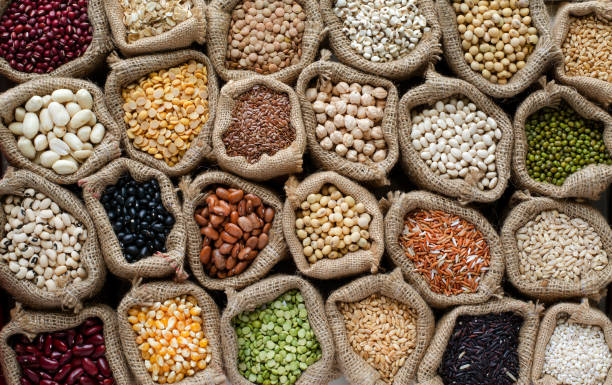
Variety kinds of natural cereal and grain seed in sack and dark tone, for clean food raw material and agricultural product concept

Variety kinds of natural cereal and grain seed in sack and dark tone, for clean food raw material and agricultural product concept

34
VIEWS
Share on FacebookShare on TwitterShare on Linkedin

Low Food Prices Threaten Farmers’ Livelihoods Despite Falling Inflation – Prof Kanton

Agricultural Research Scientist, Professor Roger Kanton, has cautioned that Ghana’s current food price dynamics pose a serious threat to the sustainability of farming, arguing that prices remain too low to support farmers’ livelihoods despite improved production levels.

He said while declining food prices offer relief to consumers, the returns farmers receive for their produce are insufficient to cover rising input costs, reinvest in productivity or secure a decent income.

Food inflation eased to 6.6 per cent by October 2025, down from 9.5 per cent previously and a sharp improvement from the 22.8 per cent recorded during the same period last year.

Speaking at a Roundtable Discussion organised by Channel One TV on the theme “John Mahama 2.0: A Thematic Assessment of Year One” on Tuesday, January 13, 2026, Prof Kanton drew attention to the widening gap between farmgate prices and the cost of key agricultural inputs, particularly fertiliser.

He noted that Ghana currently records some of the lowest maize prices on the global market, despite producing high-quality grains. Using the Sissala area as an example, he said a 100-kilogramme bag of maize that previously sold for about GH¢220 is now fetching between GH¢240 and GH¢280, a level he described as unsustainable for farmers.

“When you take maize, Ghana has the cheapest prices globally. Sissala produces some of the best maize in the country, yet today you will be lucky to sell a 100kg bag at GH¢280. Most of the time, prices are around GH¢240 to GH¢250, which is very bad,” he said.

RelatedPosts

Who Accounts for Interest on Frozen Billions? ACEP Boss Challenges EOCO And FIC Over Seized Funds

Cocoa Processing Shares Jump 10.00% To 2026 High as GSE Records Mixed Trading Session

GRA’s Circle Crackdown Exposes the Challenge of Taxing Ghana’s Informal Economy

Prof Kanton contrasted this with the cost of fertiliser, noting that premium brands such as Yara Fertiliser currently sell for between GH¢500 and GH¢590 per bag.

“This means a farmer may have to sell three bags of maize just to buy one bag of fertiliser. So it is not fair to sit in Accra and celebrate low food prices,” he stressed.

He called for a more balanced approach to food pricing, arguing that policy discussions should consider both consumer affordability and farmer welfare. According to him, sustainable agriculture depends on achieving an optimal price level that allows farmers to earn a viable income while keeping food within reach for households.

“There must be a balance between food production and the livelihood of the farmer. We need an optimal price that ensures people can afford food and, at the same time, guarantees farmers a reliable source of income,” Prof Kanton said, adding that current food prices remain “too low for farmers.”

Tags: Low Food PricesLow Food Prices Threaten Farmers’ Livelihoods Despite Falling Inflation – Prof Kanton
No Result
View All Result

Who we are?

NORVANREPORTS.COM |  Business News, Insurance, Taxation, Oil & Gas, Maritime News, Ghana, Africa, World

NorvanReports is a unique data, business, and financial portal aimed at providing accurate, impartial reporting of business news on Ghana, Africa, and around the world from a truly independent reporting and analysis point of view.

© 2020 Norvanreports – credible news platform.
L: Hse #4 3rd Okle Link, Baatsonaa – Accra-Ghana T:+233-(0)26 451 1013 E: news@norvanreports.com info@norvanreports.com
All rights reserved we display professionalism at all stages of publications

No Result
View All Result
  • Home
  • Business
    • Agribusiness
    • Aviation
    • Energy
    • Insurance
    • Manufacturing
    • Real Estate
    • Maritime
    • Tourism
    • Transport
    • Banking & Finance
    • Trade
    • Markets
  • Economy
  • Reports
  • Technology
    • Cryptocurrency
    • Cyber-security
    • Social Media
    • Tech-guide
    • Telecom
  • Features
    • Interviews
    • Opinions
  • Lifestyle
    • Entertainment
    • Sports
    • Travel
    • Environment
    • Weather
  • NRTV
    • Audio
    • Video

Welcome Back!

Login to your account below

Forgotten Password?

Create New Account!

Fill the forms bellow to register

All fields are required. Log In

Retrieve your password

Please enter your username or email address to reset your password.

Log In
NORVANREPORTS.COM | Business News, Insurance, Taxation, Oil & Gas, Maritime News, Ghana, Africa, World
This website uses cookies. By continuing to use this website you are giving consent to cookies being used. Visit our Privacy and Cookie Policy.