
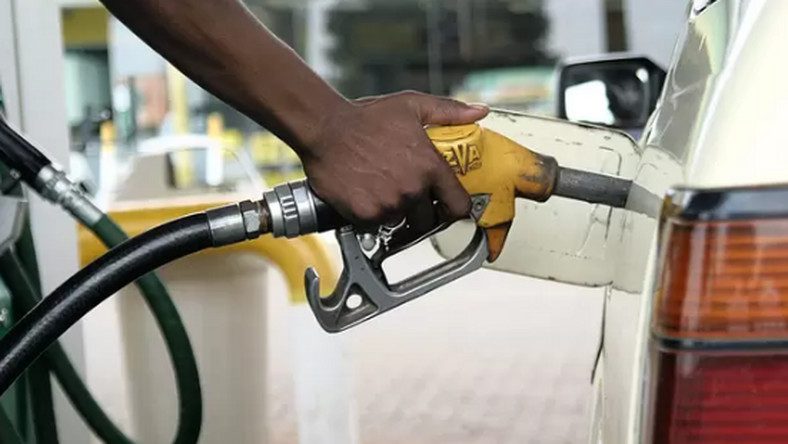

- Petrol, Diesel Prices Expected to Increase as Fuel Price Cushion Nears Expiry
Fuel prices are expected to rise from May 16, 2026, even if the government extends its current intervention aimed at cushioning consumers against rising crude oil prices, according to the Chamber of Oil Marketing Companies. The Chamber’s Chief Executive Officer, Dr Riverson Oppong, said the next pricing window is likely to bring fresh increases at the pumps, with the extent of the adjustment depending on whether the government maintains the support programme beyond its May 16 expiry date.
Under the first scenario, where the intervention is extended, petrol prices are projected to rise by about 2.5 per cent to 3 per cent per litre, potentially pushing a litre of petrol to around GH₵14.50. Diesel is also expected to increase by about 1.8 per cent per litre, which could take the price to about GH₵16.50.
Dr Oppong said extending the policy would not prevent prices from rising entirely but would only moderate the scale of the expected adjustment.
“Extending the policy will only lower the expected margin of increase at the pumps,” he said.
A sharper increase is expected if the government allows the intervention to lapse. Under that scenario, petrol could rise to about GH₵15.80 per litre, while diesel could sell at around GH₵18.05 per litre.
The projections point to renewed cost pressures for consumers, transport operators and businesses, particularly at a time when Ghana is attempting to consolidate recent gains in inflation and exchange-rate stability.
Fuel prices remain a key transmission channel for inflation in Ghana because they directly affect transport fares, food distribution, manufacturing input costs and general logistics. A fresh increase at the pumps could therefore complicate the disinflation trend, especially if transport operators and producers pass higher costs on to consumers.
Dr Oppong also cautioned against assuming that petroleum product imports from Nigeria or other sources would automatically translate into lower prices at the pump. He said there must be a clear distinction between product availability and retail pricing.
“There should be a clear distinction between product availability and low prices at the pumps,” he warned.
According to him, liquefied petroleum gas pricing will depend largely on market stock levels, suggesting that LPG consumers may also face uncertainty depending on supply conditions and the pricing structure in the next window.
The anticipated increases come amid renewed upward pressure on global crude oil prices. Crude oil was reported to be trading around US$107 per barrel, with concerns over possible United States military action against Iran adding geopolitical risk to international energy markets.
Higher global crude prices typically feed into domestic fuel costs through import parity pricing, freight, taxes, levies, exchange-rate movements and margins across the petroleum distribution chain. Even where government interventions absorb part of the increase, consumers may still face some upward adjustment if global prices remain elevated.
The latest projections will test the government’s ability to balance fiscal discipline with consumer relief. Extending the intervention may reduce the burden on households and businesses, but it could also carry a fiscal cost depending on how the programme is financed.
On the other hand, allowing the intervention to expire could expose consumers to sharper price increases at a time when cost-of-living pressures remain politically sensitive.
The development comes as institutions, including the World Bank, International Monetary Fund and Fitch Ratings, continue to project that Ghana could end the year with single-digit inflation, despite possible fuel-related pressures.
For households and businesses, however, the price displayed at fuel stations from May 16 will be the more immediate concern. Whether the government extends the intervention or not, consumers are likely to pay more for petrol and diesel in the coming pricing window. The difference will be in the size of the increase and how much of the global oil shock the government is prepared to absorb.

