


Rising Youth Population Presents Economic Opportunity, But Health Gaps Threaten Possible Gains – World Bank Says
Western and Central Africa’s rapidly expanding youth population presents a defining economic opportunity but only if governments move urgently to strengthen health systems, the World Bank has cautioned.
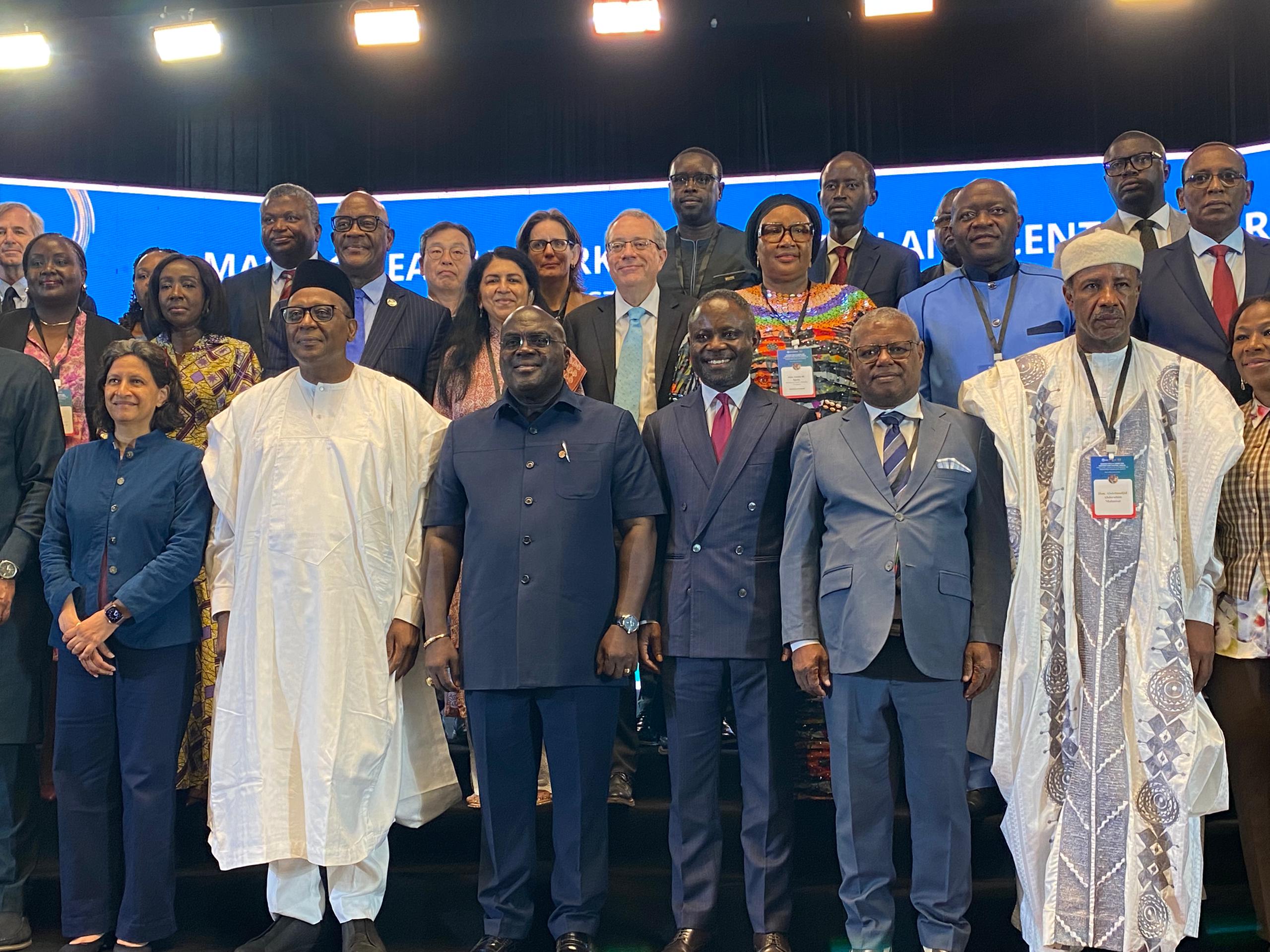
Speaking at a high-level strategy launch in Accra, Dr. Rifat Hasan said the region is on track to record the fastest growth in young people globally, with the population aged 0–24 expected to rise sharply by 2050.
Without targeted investments in health and nutrition, however, the demographic surge risks deepening inequality and constraining productivity rather than driving growth.
“Health investments are fundamental to unlocking the demographic dividend,” she said, emphasising the link between improved health outcomes, educational attainment and labour market performance.
The World Bank’s new regional strategy places human capital at its core, arguing that better health systems are critical to sustaining economic expansion and reducing vulnerability to shocks.
Data presented at the event showed that health interventions can have measurable economic effects. In Ghana, for instance, a firm-level survey found that 40 per cent of lost working days were attributable to malaria, while targeted interventions in Nigeria increased agricultural workers’ earnings by 12 per cent.
The strategy also outlines a pathway to job creation through the health sector itself. Expanding service delivery could generate up to 1.4 million skilled roles, alongside approximately 800,000 community health workers, while boosting local pharmaceutical manufacturing capacity.
Yet the region’s health systems remain highly exposed to 21st-century risks. The World Bank highlighted recurring outbreaks of infectious diseases, climate-related health shocks, and rising food insecurity affecting more than 40 million people.
Fragility and conflict further compound these challenges, with millions displaced and access to healthcare services disrupted.
Despite these pressures, public demand for improved healthcare is intensifying. Afrobarometer surveys indicate that health has become the leading concern for African citizens, surpassing unemployment and infrastructure deficits.
Respondents overwhelmingly support government intervention to ensure universal healthcare access, even if it requires higher taxation a signal of shifting expectations around the social contract.
To respond, the World Bank is advocating a comprehensive approach that integrates health with broader development sectors, including education, agriculture, energy and digital infrastructure.
“Health is no longer a standalone sector,” Dr. Hasan said. “It is central to productivity, resilience and long-term growth.”
The strategy also incorporates the Africa Initiative for Medical Access and Manufacturing (AIM2030), which seeks to strengthen regional production of essential medical products, reduce import dependence and build health sovereignty.
As governments across the region grapple with fiscal constraints, the World Bank’s message is clear: prioritising health is not just a social obligation, but an economic necessity.
Failure to act, it warns, could see one of the world’s most promising demographic shifts turn into a missed development opportunity.

