


- Russia Imports 30,000 Tonnes of Gasoline from Morocco as Drone Strikes Cripple Refineries
Russia has imported about 30,000 metric tonnes of gasoline from Morocco, marking the first publicly identified seaborne gasoline shipment from an African country to Moscow during its current fuel crisis as repeated Ukrainian drone attacks disrupt domestic refining capacity.
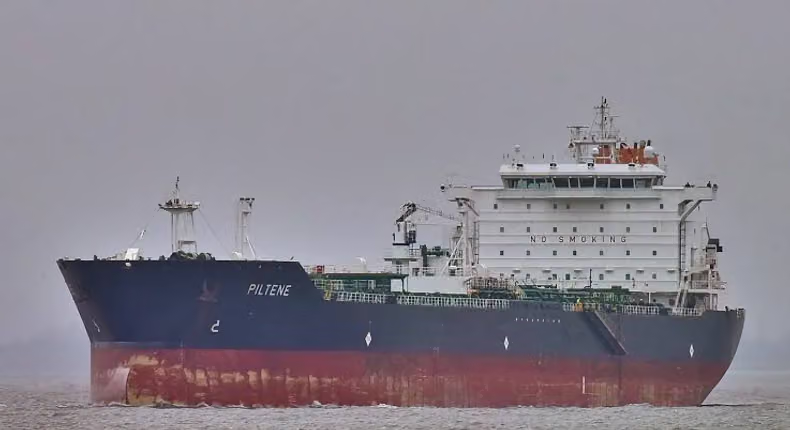
The AI-92 gasoline cargo was loaded at the Port of Tangier in mid-July aboard a Panama-flagged tanker and transported to Russia’s Arctic port of Murmansk. Industry sources cited by Reuters identified Russian oil producer Lukoil as the supplier, although the company has not publicly commented.
The transaction is striking because Russia remains one of the world’s largest crude oil producers and refined-product exporters. Its decision to import gasoline illustrates the extent to which attacks on refineries, storage facilities and fuel logistics have disrupted the downstream segment of its energy industry.
By early July, Russian gasoline production had fallen to roughly 65.00% of average summer consumption, with industry estimates pointing to a daily shortfall of between 40,000 and 45,000 tonnes.
Ukraine has increasingly targeted Russian refining infrastructure as part of a strategy aimed at restricting fuel supplies, damaging war-related logistics and reducing the economic value Moscow derives from its large oil sector.
Recent attacks have struck major facilities deep inside Russian territory, including refineries in Ryazan, Perm and Bashkortostan, underscoring Ukraine’s growing ability to reach energy infrastructure far from the front line.
The resulting shortages have forced Moscow to adopt an increasingly interventionist response.
Authorities have restricted fuel sales in several regions, redirected supplies towards major population centres and increased imports from Belarus and Kazakhstan. Russia has also imposed restrictions on petroleum exports to preserve domestic availability.
Deputy Prime Minister Alexander Novak confirmed in July that the government planned to increase imports of petroleum products to compensate for refinery disruptions and elevated seasonal demand.
Russia had already begun importing gasoline by sea from India before turning to Morocco. At least 60,000 tonnes were reportedly dispatched from India, while authorities have examined options for sourcing as much as 400,000 tonnes per month from international suppliers.
For Morocco, the shipment highlights the country’s growing role as an energy-trading and logistics hub despite not being a major crude-oil producer.
Tangier’s strategic location at the entrance to the Mediterranean, combined with its port and storage infrastructure and proximity to European shipping lanes, allows Morocco to participate in petroleum trading beyond the limitations of its domestic oil production.
The transaction also raises broader questions about opportunities for Africa’s expanding refining industry.
Nigeria, Algeria and Angola have previously been identified as potential suppliers if Russia broadens its search for refined petroleum products.
Nigeria’s Dangote Refinery has materially expanded the continent’s refining capacity, while Algeria has a large established refining base and Angola is increasing capacity through new projects, including the Cabinda refinery.
Yet any sustained African fuel trade with Russia would be significantly more complicated than finding surplus gasoline.
Potential exporters would need to consider Western sanctions, shipping insurance, payment channels, vessel availability and product specifications. Financial institutions and commodity traders could also face compliance risks depending on the entities involved in individual transactions.
That may limit how quickly other African refiners can exploit the supply gap.
The Moroccan shipment nevertheless represents an unusual reversal in global petroleum trade. Russia has historically exported large quantities of refined fuel while Africa has depended heavily on imports because of insufficient domestic refining capacity.
Now, damage to Russian refining infrastructure is creating a situation in which one of the world’s leading energy producers is purchasing gasoline from Africa.
The significance extends beyond a single 30,000-tonne cargo.
If Ukrainian attacks continue to suppress Russian refining output, Moscow could require larger and more frequent imports, potentially redirecting refined products from other markets and tightening international gasoline balances.
That would create both opportunities and risks for African refiners. Higher international demand could improve export margins, but increased competition for available products could also raise fuel costs for African countries that remain heavily dependent on imports.
Russia’s purchase from Morocco therefore illustrates how the Ukraine war is reshaping petroleum trade flows far beyond Europe.
A conflict-driven shortage inside one of the world’s largest oil producers has now connected Russian fuel security directly to an African supply chain and further refinery disruptions could deepen that relationship in the months ahead.

