

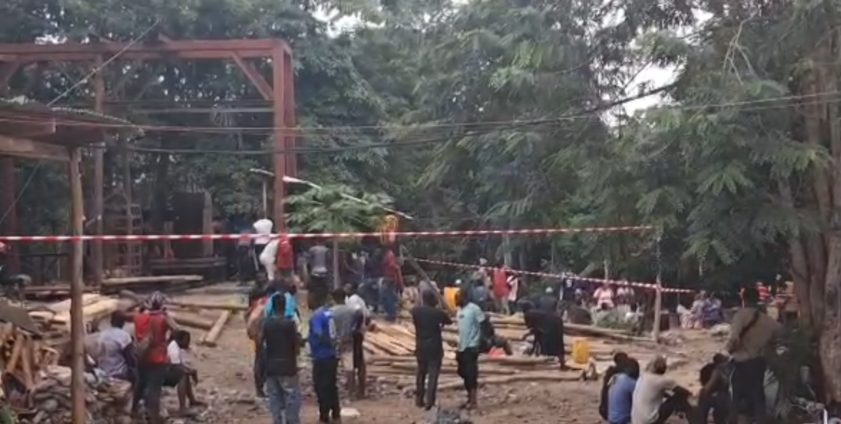

- Ten Miners Rescued After Konongo Mine Collapse, One in Critical Condition
A rescue operation at a mining concession in the Asante Akyem Central Municipality ended with relief and anxiety on Friday, May 15, after 10 miners were pulled from the rubble of a collapsed underground pit at Konongo. The incident occurred at a site belonging to Northern Mines Limited in Konongo, a well-known gold mining area in the Ashanti Region. Nine of the rescued miners reportedly sustained minimal injuries, while one remains in critical condition at a local medical facility after suffering life-threatening injuries during the cave-in.
According to reports, the collapse happened when a section of an underground tunnel gave way without warning, trapping the miners beneath the rubble. Fellow miners and local emergency responders moved quickly to reach the trapped men, using manual tools and excavators during the rescue effort.
The successful rescue of the 10 miners prevented what could have become another mass fatality in Ghana’s mining sector. But the condition of the critically injured miner has left the community anxious, while also raising fresh questions about safety practices in underground mining operations.
Konongo has long been associated with gold mining activity, including both formal and informal operations. The area’s mining history has created livelihoods for many young people, but it has also exposed workers to dangerous pits, unstable tunnels and poorly regulated underground activity.
The latest collapse adds to growing concern that parts of Ghana’s mining sector, especially medium-to-small-scale concessions and illegal operations, remain vulnerable to fatal accidents.
While large-scale multinational mines often operate with more formalised safety systems, many smaller and poorly supervised sites depend on rudimentary underground structures, manual extraction methods and inadequate risk controls. In such environments, tunnel collapse, flooding, poor ventilation and unsupported shafts remain recurring threats.
The geological conditions in parts of the Asante Akyem area also increase the danger. Media reported that sections of the area have become unstable where illegal mining or poorly regulated small-scale activity has riddled the ground with unsupported tunnels. Heavy rainfall or structural movement can therefore make such pits highly vulnerable to collapse.
The incident comes at a time when Ghana’s mining governance debate has intensified around illegal mining, environmental degradation, concession regulation and the safety of mine workers.
The Konongo collapse presents another reminder that the human cost of mining cannot be measured only in environmental damage or lost public revenue. It is also measured in lives put at risk beneath unstable earth, often by young men seeking livelihood opportunities in mining communities. The question now is whether the authorities will treat the latest incident as an isolated emergency or as part of a wider safety failure requiring stronger enforcement.
That enforcement should include inspection of underground workings, scrutiny of concession safety systems, regulation of informal activity around licensed sites, and clear accountability where unsafe mining practices are allowed to persist.
This incident also reinforces the need for stronger operational controls, worker training, emergency preparedness and continuous monitoring of underground tunnels and raises the importance of early warning systems, rapid response capacity and community-level reporting of hazardous pits in the local area.
Ghana’s gold sector remains one of the country’s most important sources of export earnings, fiscal revenue and employment. But the benefits of gold production are weakened when mining activity leaves communities exposed to avoidable deaths and injuries

