


- Tesla ends Model S and X production as Musk pivots to AI and robotics
Tesla has brought an end to production of its flagship Model S and Model X vehicles, marking a strategic pivot by Elon Musk away from legacy electric cars toward artificial intelligence, robotics and autonomous mobility. The company has stopped producing new units of the two models, with only limited pre-configured inventory still available, effectively closing a chapter that defined Tesla’s early rise in the global electric vehicle market.
First launched in 2012 and 2015 respectively, the Model S sedan and Model X SUV were central to Tesla’s transformation from a niche EV maker into a mainstream automotive disruptor. But in recent years, their commercial relevance has diminished sharply. Combined, the models account for only a small fraction of Tesla’s total sales, with demand increasingly concentrated in the more affordable Model 3 and Model Y platforms.
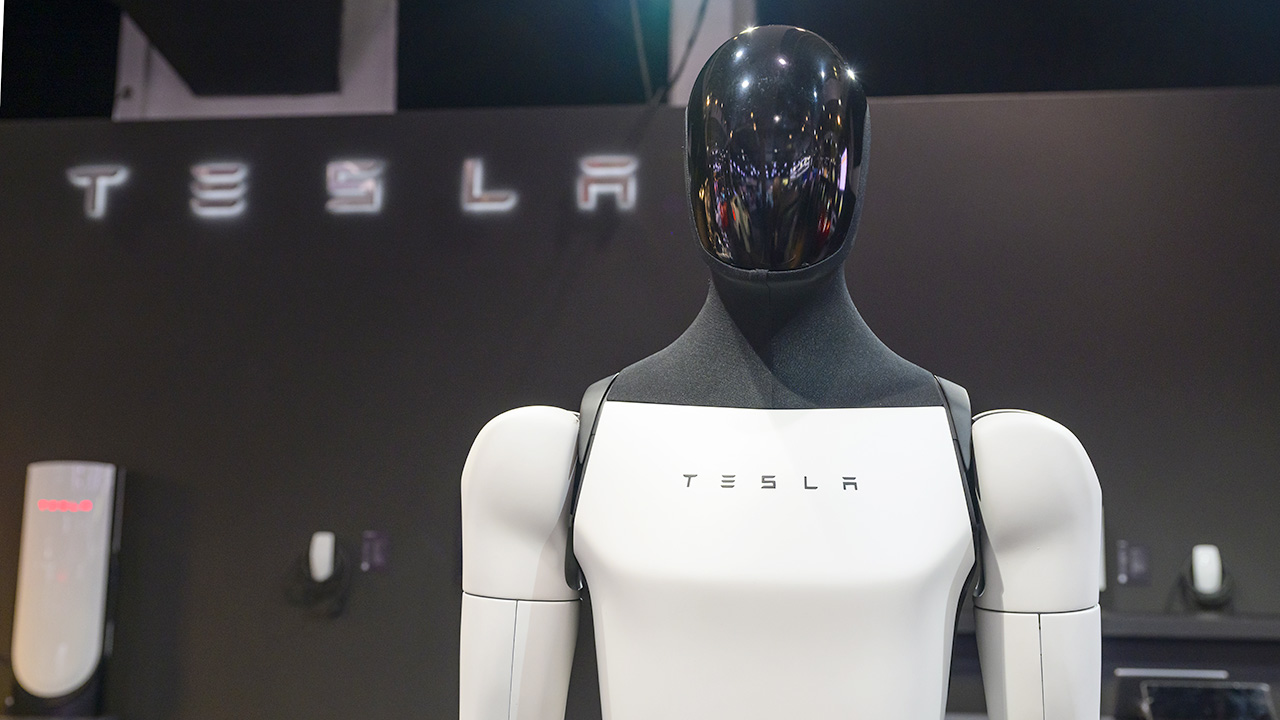
Mr Musk has made clear that Tesla’s future lies less in conventional car manufacturing and more in autonomous systems, robotics and AI-driven platforms. Production capacity previously allocated to the Model S and X is expected to be redirected toward projects such as the Optimus humanoid robot and Tesla’s planned robotaxi programme.
This marks a notable departure from Tesla’s traditional identity as an electric vehicle manufacturer and underscores its ambition to evolve into a technology and infrastructure company centred on autonomy. Sales of Tesla’s premium models have declined amid intensifying competition in the luxury EV segment and the ageing profile of both vehicles. In contrast, the Model 3 and Model Y now dominate Tesla’s volumes, accounting for the overwhelming majority of deliveries.
The transition suggests Tesla is prioritising scale, efficiency and future-facing technologies over maintaining legacy product lines with limited growth potential.
Tesla’s automotive business remains its primary revenue engine in the near term, even as it invests heavily in long-term bets such as self-driving software, robotics and AI infrastructure.
Yet the discontinuation of the Model S and X signals that Tesla is willing to exit even iconic product lines to free up capital and manufacturing capacity for what it views as higher-growth opportunities.
The decision raises a broader question about Tesla’s evolving business model. If the company succeeds in commercialising autonomous mobility and robotics, it could redefine its valuation framework shifting from a car manufacturer to a platform-based technology company.
But that transition is not without risk. Many of Tesla’s future-focused projects, including robotaxis and humanoid robots, remain commercially unproven, while the company continues to rely heavily on vehicle sales for cash flow.
For now, the end of the Model S and Model X represents both a symbolic and operational turning point closing the chapter on Tesla’s first generation of vehicles as it accelerates toward a more uncertain, but potentially transformative, future.

