

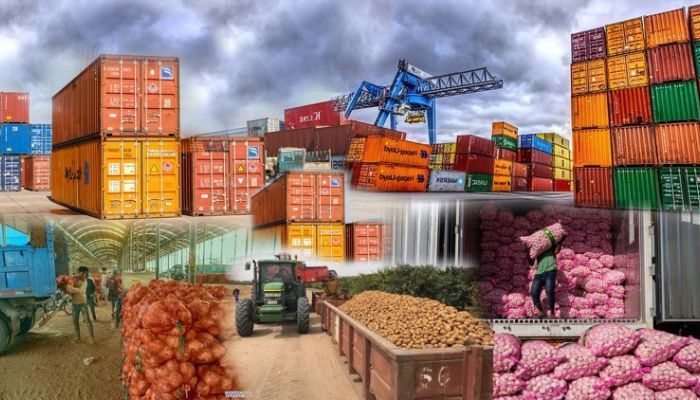

- Traders Demand Enforcement as Shipping Lines Allegedly Retain Higher Container Fees
The Ghana Union of Traders Association has accused some shipping lines and their local agents of continuing to impose container administrative charges above an approved GH¢720.00 fee, despite a High Court decision that it says cleared the way for enforcement of the revised tariff.
GUTA said its monitoring showed that several operators were still applying their previous charges after the court dismissed an application seeking to restrain implementation of a Ghana Shippers’ Authority directive.
The traders’ body described the alleged conduct as a direct challenge to Ghana’s regulatory and judicial institutions and called for immediate intervention by enforcement agencies.
In a statement dated July 27, 2026, GUTA said the High Court had on July 10 dismissed an interlocutory injunction application filed by the Ship Owners and Agents Association. The application, according to GUTA, sought to prevent the implementation and enforcement of a Ghana Shippers’ Authority directive issued on May 11, 2026.
The association said the court’s decision meant shipping lines and their agents were expected to comply with the approved container administrative charge of GH¢720.00.
“According to GUTA’s monitoring of the situation, several shipping lines are still charging their previous Container Administrative Charges, which are significantly higher than the approved fee of GH¢720.00,” the association said.
It characterised the continued collection of higher charges as being in “blatant disregard” of both the court’s ruling and the regulator’s directive.
The dispute adds to long-running tensions between Ghanaian importers and international shipping companies over port-related fees, documentation charges and other costs that traders say increase the final price of imported goods.
Container administrative charges are typically collected by shipping lines or their agents as part of the processing and release of cargo. Although individual fees may appear small relative to the total value of a consignment, they can become significant when applied across large volumes of containers and passed through the supply chain.
GUTA said some shipping lines had explained that they had not yet received instructions from their overseas principals to implement the revised fee.
The association rejected that explanation, arguing that internal corporate approval processes or instructions from foreign headquarters could not override Ghanaian law or a decision of the country’s courts.
“No internal administrative process or foreign directive can override the laws and judicial decisions of the Republic of Ghana,” GUTA said.
The position reflects a wider concern among importers that multinational operators sometimes delay the implementation of domestic regulatory decisions while awaiting approval from regional or global offices.
For traders, such delays can translate into additional costs at the ports, particularly when importers must pay disputed charges before goods are released.
GUTA demanded immediate and full compliance by all shipping lines and their agents with the court decision and the approved GH¢720.00 charge.
It also called on the relevant regulatory and enforcement institutions to compel compliance without further delay.
The association did not identify the shipping lines it alleged were continuing to impose the previous charges, nor did the statement provide a schedule comparing the old fees with the revised amount.
It nevertheless warned that the continued collection of higher charges imposed an unnecessary financial burden on businesses and increased the cost of importing goods.
Import-related expenses are frequently passed through to wholesalers, retailers and consumers, meaning higher port and shipping charges can contribute to broader price pressures in the domestic market.
For small and medium-sized traders, who may have less negotiating power and limited access to working capital, unexpected port charges can also affect cash flow and reduce already narrow profit margins.
GUTA said the alleged non-compliance undermined the government’s efforts to lower the cost of doing business at Ghana’s ports and improve the competitiveness of the wider economy.
Ghana’s ports are central to domestic trade and serve as important gateways for landlocked countries in the subregion. Their competitiveness depends not only on infrastructure and clearance times but also on the transparency and predictability of the fees charged to importers and exporters.
Repeated disputes over shipping charges can weaken confidence in the port system and make it more difficult for businesses to estimate the full cost of bringing goods into the country.
The traders’ association framed the matter as a rule-of-law issue, arguing that no foreign company or local representative should be allowed to disregard Ghanaian regulatory directives and judicial decisions.
“Ghana is a sovereign nation governed by the rule of law. No foreign company or its local representative is above the laws of this country,” it said.
The association urged state institutions to act swiftly to protect the interests of the trading community and ensure that the approved fee was applied consistently across the industry.
The statement was issued by GUTA president Clement Boateng.
The allegations could increase pressure on the Ghana Shippers’ Authority and other responsible agencies to clarify the compliance status of shipping lines and explain what enforcement measures are available where operators continue to charge above the approved amount.
They may also prompt calls for the regulator to publish a list of compliant and non-compliant operators, providing traders with clearer information before they begin cargo-clearance processes.
For GUTA, the central issue is whether the court decision and regulatory directive will translate into a measurable reduction in the charges paid by importers.
Without effective enforcement, the association warned, the approved GH¢720.00 fee would offer little practical relief to businesses facing higher costs at the country’s ports.

