


- Verstappen’s Final Dutch Grand Prix Suit Raises £70,000 For Spinal Cord Research
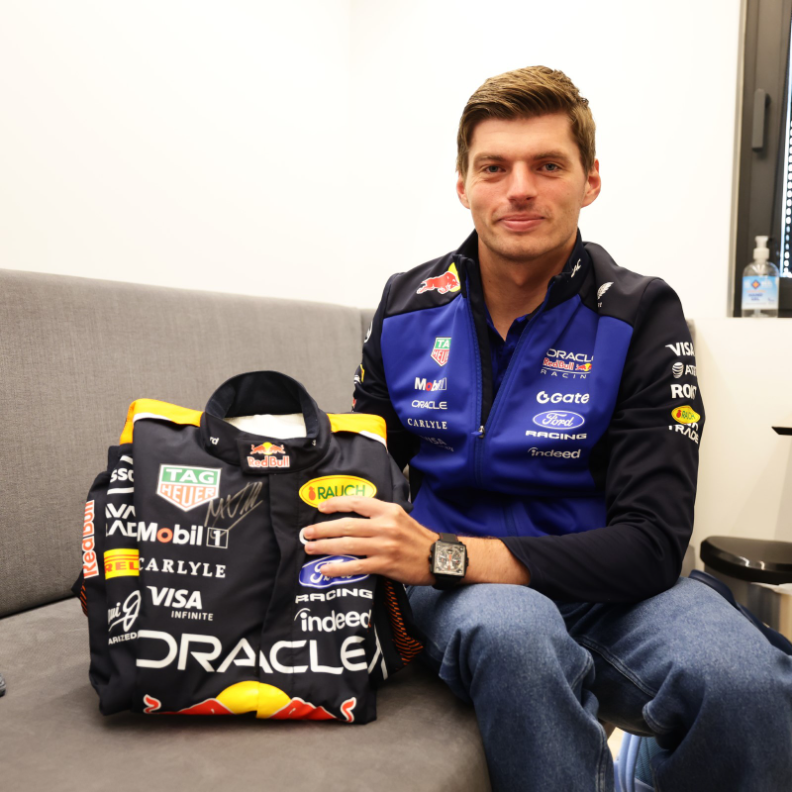
A race suit worn by Max Verstappen during the final Dutch Grand Prix weekend at Zandvoort has raised £70,000 at auction, with proceeds going to Wings for Life, a foundation that funds research into spinal cord injury.
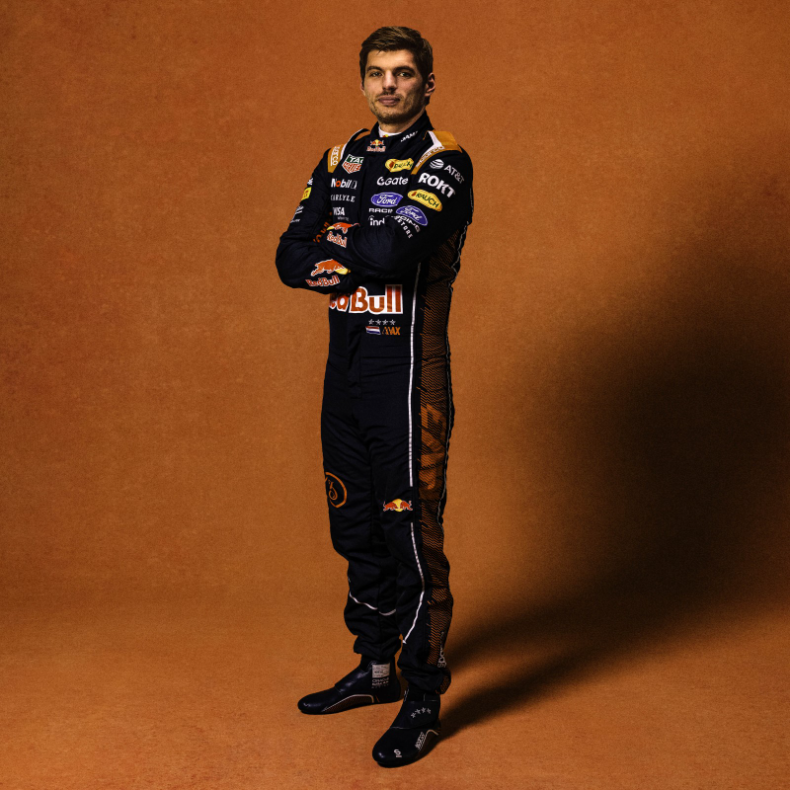
The special edition 2026 Oracle Red Bull Racing suit was signed by Verstappen after the race weekend and sold through F1 Authentics.
The winning bidder will meet the four-time world champion and receive the suit from him personally, adding an unusual personal encounter to an item already linked to a significant moment in the Dutch Grand Prix’s history.
The auction brought together three forms of value: sporting provenance, a one-off design and a charitable purpose. The £70,000 result gives the campaign a clear fundraising figure, but the auction’s significance also lies in the story attached to the object.
It was worn by Verstappen at his home race, during the event’s final running at Zandvoort, and signed after the weekend.
That combination distinguishes the suit from ordinary team merchandise. Its appeal to collectors is tied not simply to the driver’s name, but to the specific event and occasion it represents.
The suit was designed as a tribute to Verstappen’s connection with the Dutch Grand Prix and will not be used again, according to the auction announcement.
Verstappen became closely associated with the race after winning the first three editions following its return to the Formula 1 calendar in 2021. He won in 2021, 2022 and 2023, with large home crowds turning the event into a conspicuous celebration of Dutch motorsport. The final Zandvoort weekend therefore gave the memorabilia an added layer of historical meaning for fans.
The sale also illustrates how sports memorabilia can provide a fundraising channel that links commercial interest with a public cause.
A race-worn item can attract bidders because it offers a tangible connection to a sporting event; the charity partnership directs that interest towards research. The value is generated by the intersection of the athlete, the event and the cause.
The auction announcement did not disclose the number of bidders, the starting price or whether the winning bid set a record for a Verstappen item.
Without those details, the £70,000 figure cannot be compared precisely with previous sales or used to measure wider demand for Formula 1 memorabilia.
It does, however, show the fundraising potential of a high-profile, event-specific object when it is supported by a direct link to the athlete.
Wings for Life was established in 2004 by Dietrich Mateschitz and two-time motocross world champion Heinz Kinigadner. The foundation supports research and clinical trials aimed at finding a cure for spinal cord injury.
It says 100% of donations fund research. The auction announcement said proceeds from the suit would support the charity’s ongoing work, although it did not provide a separate breakdown of auction costs or fees.
Emma Hind, chief executive of Wings for Life UK, described the sale as a “phenomenal result” and said it would make “a huge contribution in spinal cord injury research”.
She also pointed to the suit’s connection to both Verstappen’s home race and the final Formula 1 event at Zandvoort, calling it a “truly special item”.
The charity has previously worked with F1 Authentics, Verstappen and Oracle Red Bull Racing on auctions involving a signed motion simulator and race suits connected to events in Canada and Japan.
The latest campaign continues that partnership, using memorabilia from a defining weekend to raise funds for research.
For the partners, the arrangement links a fan-facing commercial platform with a charitable objective. The auction gives collectors access to rare items and experiences, while the charity gains support from an audience drawn to motorsport. Its effectiveness depends on maintaining trust: bidders need confidence in the item’s authenticity and provenance, and donors need clarity about how proceeds reach the cause.
The winning bidder’s planned meeting with Verstappen gives the prize an additional experiential element. The suit itself is valuable because of its history, but a personal handover turns the transaction into a direct encounter with the athlete whose career and home-race record give the object its meaning.
That distinction is increasingly important in a market where photographs, signed merchandise and digital content can all offer forms of fan access. Physical memorabilia offers something different: a unique object with a traceable connection to a specific moment.
In this case, that moment is not only a race weekend but the end of Formula 1’s run at Zandvoort.
The auction therefore converts a sporting farewell into a lasting object and a charitable contribution. The £70,000 raised will support Wings for Life’s research, while the suit becomes part of a collector’s account of Verstappen’s career at his home Grand Prix.
The result demonstrates how the commercial value of sports memorabilia can be shaped by the history attached to an item and the purpose it serves after the race is over.

