


- Xenophobia Fallout: Ramaphosa Turns to Diplomacy as African Nations Evacuate Citizens
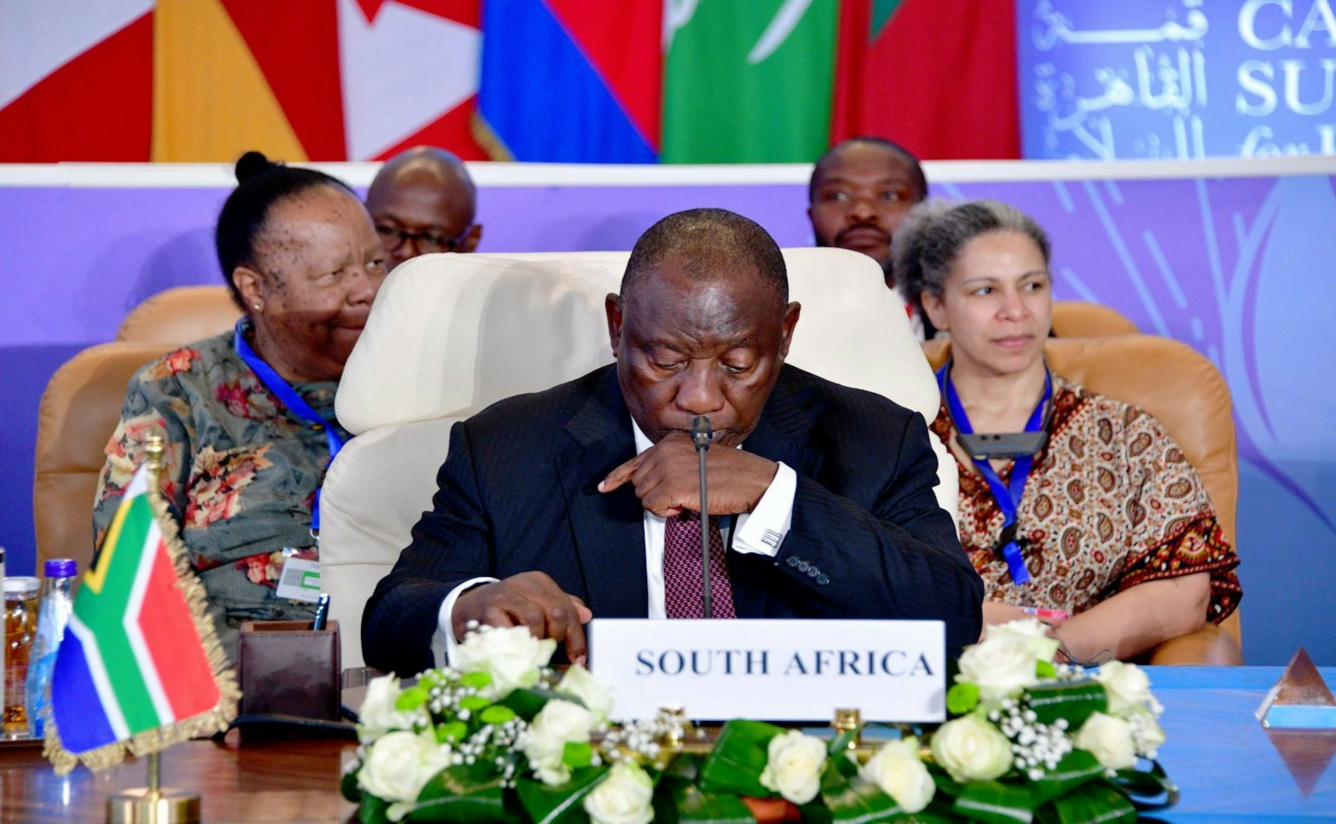
South African President Cyril Ramaphosa has announced plans to dispatch envoys across Africa and other parts of the world as Pretoria moves to contain the diplomatic fallout from renewed anti-immigrant violence.
The attacks, which have targeted foreign nationals and triggered concern across the continent, have forced several African governments to begin repatriation and consular support efforts for their citizens living in South Africa.
Speaking alongside Kenyan President William Ruto in Pretoria, Mr Ramaphosa said South Africa would engage regional and international partners to address growing tensions around migration and violence against foreign nationals.
“There will be envoys, yes, there will be people that we will send around not only on the continent but also around the world,” he said.
He said migration had featured prominently in his discussions with President Ruto, adding that the issue required coordinated action from governments across Africa and beyond.
“What we seek to do is to get the issue of migration properly addressed… we should get as many key role players, countries, to work together,” Mr Ramaphosa said.
The diplomatic outreach comes as the latest attacks revive painful memories of previous waves of xenophobic violence in South Africa in 2008, 2015 and 2019, which left dozens dead, displaced thousands and strained Pretoria’s relations with several African countries.
Malawi has announced plans for a voluntary repatriation exercise for citizens who wish to return home from South Africa, with authorities in Lilongwe making arrangements to provide consular assistance and logistical support.
Mozambique has also begun facilitating the return of its nationals after the violence. Authorities reported that at least seven Mozambicans had died, including five killed in xenophobic attacks and two who died in a road accident while trying to return home. Hundreds have reportedly crossed back into Mozambique, while more are being repatriated from temporary shelters in South Africa.
Ghana has also emerged as one of the most visible responders to the crisis, with government facilitating the return of hundreds of citizens from South Africa while coordinating with diplomatic missions and community leaders as more nationals register for assistance.
Seeking to reassure African partners, Mr Ramaphosa insisted that violent attacks against migrants do not represent the views of most South Africans.
“As South Africa, we are addressing this matter,” he said. “South Africans are not xenophobic. South Africans are Africans. They want to live with other Africans peacefully.”
But the renewed violence has placed South Africa’s regional leadership under pressure.
For years, the country has positioned itself as one of Africa’s most influential economies, a diplomatic heavyweight and a champion of continental integration. Yet repeated attacks on African migrants continue to expose the contradiction between South Africa’s pan-African rhetoric and the insecurity many foreign nationals face in its townships and urban centres.
The issue is also economically sensitive. South Africa remains a major destination for workers, traders, students and entrepreneurs from across the continent. Any perception that foreign nationals are unsafe could affect labour mobility, tourism, business confidence and relations with neighbouring states.
For Pretoria, the diplomatic mission is therefore not only about apologising or explaining. It is about rebuilding trust.
African governments now want to see whether South Africa can move beyond condemnation and deliver stronger protection for migrants, tougher action against perpetrators and a more coherent migration-management system.
The latest crisis also highlights a deeper social strain within South Africa, where unemployment, poverty, poor service delivery and inequality often fuel resentment against migrants, even when such anger is misdirected.
Mr Ramaphosa’s envoys may help calm diplomatic tensions, but the harder work lies at home.
Until South Africa confronts the domestic conditions that allow anti-immigrant violence to recur, each new attack risks becoming more than a security incident. It becomes a test of the country’s credibility as a continental leader. For now, Pretoria is trying to reassure Africa that South Africa remains a safe and welcoming partner.
But for the families fleeing violence, and for governments evacuating their citizens, the message will only be believed when protection on the ground matches the language of diplomacy.

