


- Zimbabwe to Return 67 European-Owned Farms as It Seeks Debt Relief
Zimbabwe will return 67 farms seized from European nationals whose properties were covered by bilateral investment protection agreements, in a move aimed at repairing relations with Western governments and advancing the country’s long-running push for debt relief.
Agriculture Minister Anxious Masuka told lawmakers that the government was in the process of returning the farms to nationals from Denmark, Switzerland, Germany and the Netherlands, Reuters reported. “We are in the process of returning those to them,” Masuka said in response to a question from a lawmaker.
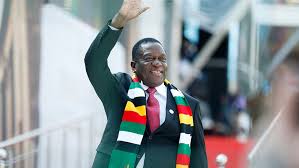
The decision marks one of the clearest attempts by President Emmerson Mnangagwa’s administration to address the legacy of Zimbabwe’s fast-track land reform programme, which began under the late Robert Mugabe in 2000. The seizures affected more than 4,000 white-owned farms and were justified by the government at the time as an effort to resettle landless Black citizens and correct colonial-era land ownership imbalances.
But the policy severely damaged commercial agriculture, contributed to a collapse in the currency in 2008 and left the country struggling with food insecurity. The farm restitution plan is also tied directly to Zimbabwe’s attempt to re-engage the international financial system after more than two decades of arrears and isolation.
Zimbabwe’s foreign debt stood at US$13.6 billion in September 2025, of which US$7.7 billion was in arrears. International lenders have demanded reforms, including the resolution of land-related disputes, as a condition for debt relief.
The European countries whose nationals are affected are also part of the group of Western countries involved in discussions on debt relief with Zimbabwe and remain significant donors to the country.
For Harare, returning farms covered by investment treaties is therefore both a legal and diplomatic signal. It suggests a willingness to distinguish between domestic land reform claims and internationally protected investments, particularly where bilateral treaties created obligations that Zimbabwe is now under pressure to honour.
The move comes as Zimbabwe seeks to build a reform record with international financial institutions. The International Monetary Fund has approved a 10-month staff monitored programme for the country, although the programme does not involve direct financing.
President Mnangagwa, who took power after Mugabe was removed in a 2017 coup, has sought to improve relations with Western governments, which imposed sanctions over the land seizures and wider human rights concerns.
But the task is complex. In 2020, his government agreed a US$3.5 billion compensation deal with about 4,000 white farmers, but fiscal constraints have made meaningful payments difficult.
That slow compensation process has remained a major credibility test for Zimbabwe’s re-engagement agenda. Creditors and development partners are likely to view the return of the 67 treaty-protected farms as a positive step, but not a complete resolution of the land question. The broader challenge is that Zimbabwe must rebuild confidence not only in its treatment of investors, but in the predictability of property rights, rule of law and fiscal management.
For investors, the restitution decision may be read as a modest but important sign that Harare understands the cost of unresolved land disputes. For creditors, it may help demonstrate that the government is willing to take politically sensitive steps to unlock debt negotiations.
Yet the real test will be implementation. Returning farms on paper is one thing; restoring legal title, resolving competing occupation claims, compensating affected parties and ensuring security of tenure are far more difficult.
Zimbabwe’s land reform legacy remains one of the central issues shaping its economic recovery. The original seizures may have addressed historical grievances, but they also fractured agricultural production, investor confidence and international relations.
The return of the 67 farms signals that Harare is trying to manage the consequences of that history while seeking a path back into global finance.

