

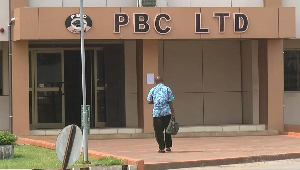

Banks Move to Auction Produce Buying Company Assets Over GH¢300m Debt After Accra High Court Ruling
A consortium of banks could in the coming days, move to confiscate and auction assets belonging to the Produce Buying Company (PBC) to recover debts exceeding GH¢300 million, following a court ruling that clears the way for the judicial sale of the company’s properties.
This comes after the Accra High Court on March 10, 2026, dismissed an application for a stay of execution filed by PBC, effectively allowing the creditor banks to proceed with enforcement actions against the company’s assets.
The ruling means that buildings, warehouses, operational facilities, vehicles and other properties owned by PBC could soon be auctioned to defray the outstanding debt, which industry sources indicate could rise above GH¢300 million when interest and related charges are taken into account.
The development stems from a loan facility extended to the cocoa buying firm by a consortium of banks.
After the company defaulted on its repayment obligations, the banks initiated legal action to recover the funds. In 2024, the courts ruled in favour of the lenders and granted them the right to attach and sell the company’s assets to recover the debt.
PBC subsequently filed an application seeking a stay of execution to halt the enforcement process, but the court’s decision this week has effectively paved the way for the banks to proceed with the sale.
Industry players say the potential auction of PBC’s assets could have significant implications for Ghana’s cocoa value chain if the process is not halted.
For decades, the Produce Buying Company has played a critical role in Ghana’s cocoa purchasing system, serving as a key intermediary between cocoa farmers in rural communities and the country’s export market.
Market observers note that if the auction proceeds, warehouses, offices and other operational infrastructure belonging to the company could be sold off, while vehicles used in transporting cocoa across farming districts could also be taken over by private entities.
The development, analysts say, raises concerns about the future operations of the long-standing cocoa buying firm and the potential impact on the broader cocoa marketing system.

