


CSOs Alliance Launch First-Ever Scorecard Assessing Government’s Performance in Natural Resources, Environment and Anti-Corruption Sectors
An alliance of civil society organisations working across Ghana’s extractives, environmental governance, climate action and anti-corruption sectors has released the country’s first comprehensive scorecard evaluating government’s performance in its first year in office.
The scorecard, developed by five coalitions and nine CSOs, provides an evidence-based assessment of more than 60 manifesto commitments spanning mining, petroleum, forestry and environment, climate change and energy transition, and anti-corruption. It was launched in Accra on Tuesday, December 2.
According to the alliance, the initiative is designed to offer an objective, technically grounded benchmark for tracking the pace and quality of the administration’s policy implementation.
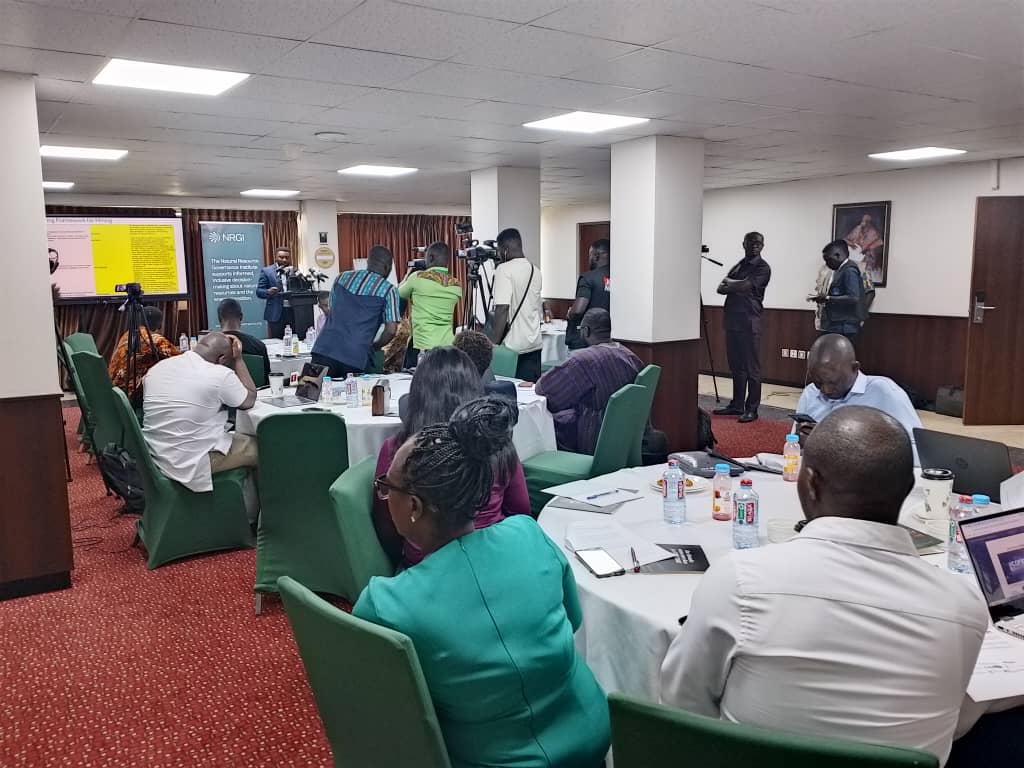
A Mirror of Government’s First-Year Commitments
Presenting the findings, the CSOs noted that Ghana has historically made “ambitious promises” in governance and natural resource management, but faces consistent challenges in implementation, transparency, and tracking outcomes.
The groups said the scorecard serves as “a mirror” reflecting actual progress—based on regulatory actions, policy directives, stakeholder engagements, budgetary allocations and institutional performance—rather than political commentary.
Over the past 11 months, the CSOs monitored key government decisions, verified timelines, assessed bottlenecks and documented reversals as part of the process of consolidating the data into a sector-by-sector scoring framework.
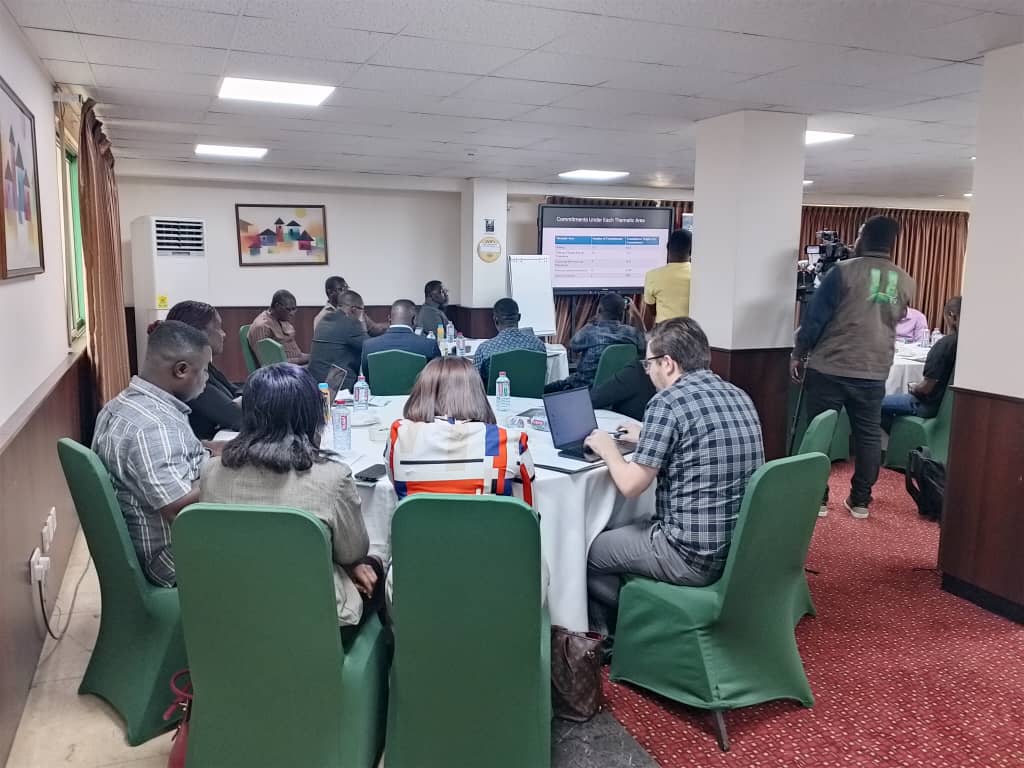
Performance Above 25% in Most Sectors — Except Anti-Corruption
With a four-year period available for full implementation of manifesto promises, the alliance explained that a 25% progress rate would typically be expected in the first year.
“Our analysis shows the government has made satisfactory progress in all thematic areas, scoring above the 25% threshold—except in anti-corruption, where the score stands at 23.04%,” the statement noted.
The groups urged the administration to intensify efforts in the anti-corruption space, warning that delays could negatively affect the likelihood of meeting commitments by the end of its term in 2028.
Scorecard Not a Political Judgment
The CSOs stressed that the scorecard is neither an indictment nor a politically motivated assessment, but a technical reference point intended to strengthen governance, enhance transparency, and promote accountability.
They emphasised that the evaluation aims to support reforms, guide policy discussions and create a platform for constructive engagement among government, civil society and development partners.
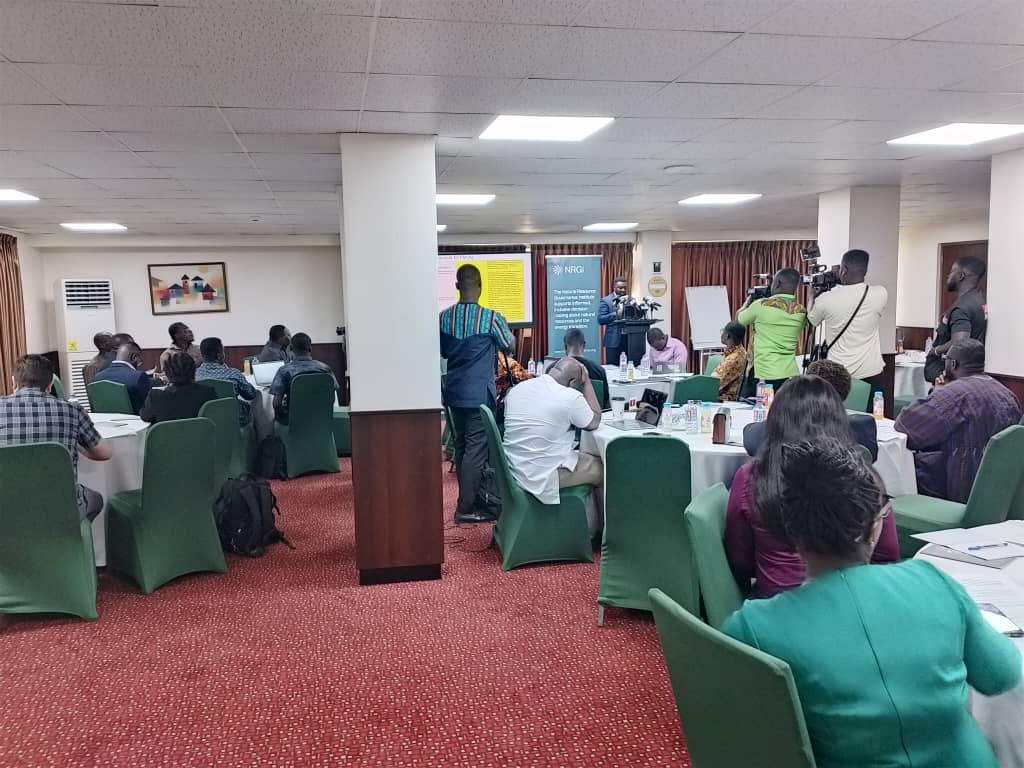
Call for Stronger Institutional Action
The alliance urged government to approach the findings with openness, prioritise lagging areas and reinforce the capacity of institutions responsible for monitoring, regulation, and enforcement.
They further called for consistency in implementing commitments and encouraged the use of data-driven decision-making over political considerations.
For their part, the CSOs pledged to continue offering technical insights, engaging collaboratively, advocating responsibly and monitoring progress in the interest of national development.
A Tool to Deepen Public Dialogue
The groups said the true value of the scorecard lies not only in the numerical ratings but in its potential to stimulate deeper national conversations about governance, natural resource management and accountability.
“A nation that measures its progress is one that is moving forward,” the statement added, underscoring the importance of public scrutiny in strengthening democratic practice.
The full scorecard, including sectoral assessments, is expected to form the basis for further engagement with policymakers, regulators, the media and citizen groups in the coming months.

