
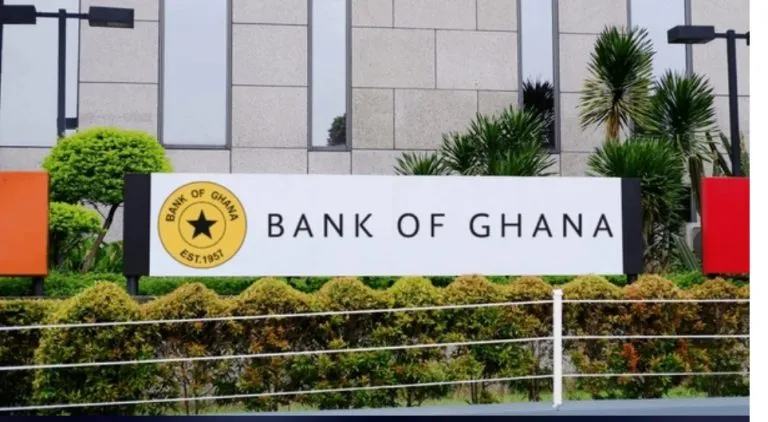

Fitch Ratings Projects Policy Rate Cut Pause by Bank of Ghana Amid Emerging Inflation Risks
The Central Bank is expected to slow the pace of its monetary policy easing cycle as inflation begins to show early signs of edging upward following more than a year of sustained decline.
Fitch Ratings projects that the Bank of Ghana is likely to maintain a cautious policy stance after lowering the benchmark policy rate by a cumulative 1,400 basis points between July 2025 and March 2026, bringing the rate down to 14%.
The anticipated pause in monetary easing comes amid indications that Ghana’s disinflation trend may be losing momentum.
“We anticipate Bank of Ghana will remain prudent and pause its easing cycle to prevent inflation risks from materialising, after a cumulative 1,400bp monetary policy rate cut between July 2025 and March 2026, to 14%,” Fitch Ratings stated in a report that upgraded Ghana’s sovereign credit rating to B with a positive outlook.
Data released by the Ghana Statistical Service showed that headline inflation rose marginally to 3.4% in April 2026 from 3.2% recorded in March.
The increase marks the first uptick in inflation after 15 straight months of declining price growth.
The 0.2 percentage-point rise signals a possible gradual rebound in consumer prices, potentially complicating expectations for further policy rate reductions in the near term.
On a month-on-month basis, inflation stood at 1% in April, reflecting stronger short-term price pressures within the economy.
The rise in inflation was largely driven by higher costs associated with housing, water, electricity, gas and other fuels, which accounted for more than 37% of the overall inflation figure.
Although inflation remains significantly lower compared to the same period last year, recent data suggests that price levels may be gradually firming up again.
The latest inflation data strengthens the argument for the Bank of Ghana to adopt a wait-and-see approach rather than continue with aggressive monetary easing.
Analysts warn that further rate cuts could reignite inflationary pressures, particularly if domestic demand accelerates sharply or external shocks exert renewed pressure on the cedi and import prices.
A temporary pause in policy easing would allow monetary authorities time to assess the impact of previous rate reductions on inflation dynamics, exchange rate stability and overall economic activity.
The Central Bank’s aggressive easing cycle had been aimed at supporting economic recovery, lowering borrowing costs and improving credit conditions for businesses and households after an extended period of tight monetary policy.
However, preserving macroeconomic stability may now take precedence over additional stimulus measures as inflationary risks begin to re-emerge. Future monetary policy decisions are expected to remain heavily dependent on inflation developments, exchange rate performance and broader global economic conditions in the months ahead.

