
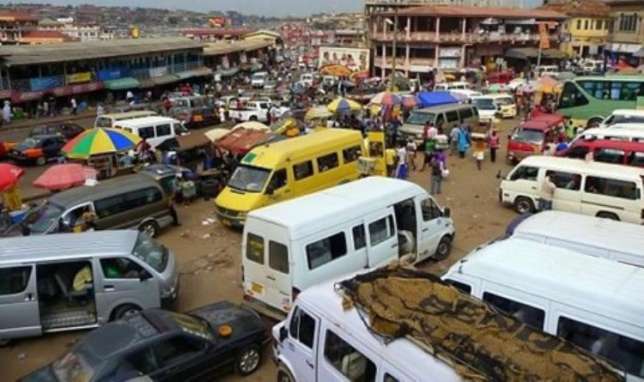

- Commuters Face 20 Per Cent Fare Hike as Transport Operators Cite Cost Pressures
Commuters across Ghana will begin paying higher transport fares from Tuesday, June 2, after the Ghana Private Road Transport Union and allied transport operators announced a 20 per cent upward adjustment in public transport charges nationwide.
The increase will affect intra-city trotro routes, intercity travel services and shared taxi operations, marking one of the most significant fare revisions in recent months as transport operators struggle to contain escalating operating costs.
Industry operators say the decision follows prolonged pressure from rising fuel prices and surging maintenance costs, particularly for tyres, batteries, lubricants and imported spare parts, all of which have intensified the financial burden on drivers and vehicle owners.
“This increment should have come long ago,” GPRTU National Deputy Public Relations Officer Samuel Amoah said.
According to him, transport unions had initially delayed any adjustment following assurances that economic conditions and fuel prices would stabilise under the new administration.
But the union says sustained increases in operating costs have severely weakened profit margins within the commercial transport sector, threatening the sustainability of transport services across the country.
The revised fare structure is expected to have broader implications for household spending and inflationary trends, given transport’s central role in Ghana’s supply chain and daily commerce.
Higher fares could raise the cost of commuting for workers, traders and students, while also feeding into the prices of food, goods and essential services across major urban centres.
Transport costs remain one of the most politically sensitive components of Ghana’s cost-of-living pressures because of their direct effect on both household budgets and market prices.
For traders and food distributors, even a modest increase in transport charges can affect the final prices paid by consumers, particularly in urban markets that depend on daily movement of goods from peri-urban and rural production centres.
Transport unions said official fare charts would be displayed at lorry terminals and transport stations ahead of implementation.
They added that joint monitoring teams, including the Motor Traffic and Transport Department, would help enforce compliance and sanction operators found charging above approved rates.
Despite acknowledging the additional burden on passengers, transport operators insist the adjustment became unavoidable after months of internal consultations and failed attempts to absorb rising costs.
The unions have meanwhile renewed calls for government intervention, urging authorities to review taxes and import duties on vehicle spare parts while pursuing policies aimed at stabilising petroleum prices.
The latest adjustment underscores the growing tension between Ghana’s cost-of-living pressures and the operational realities facing key service sectors.
For government, the fare hike presents a delicate policy challenge. While operators argue that fares must reflect real costs, households are already under pressure from utility bills, food prices and other living expenses.
The increase may therefore test the extent to which recent macroeconomic stability is being felt at the household level.

