


- Drivers Challenge TraffiTech-GH Rollout, Citing Unresolved Roadside Obstructions
Commercial transport operators have threatened to suspend services nationwide over the introduction of TraffiTech-GH, arguing that authorities must clear traders from designated bus stops before enforcing traffic rules through the digital system.
The confrontation centres on whether drivers can reasonably comply with stopping requirements when approved passenger loading and unloading spaces remain obstructed. Operators say introducing automated enforcement without addressing those conditions could expose them to penalties for circumstances beyond their control.
The dispute has become more immediate following reports that the Motor Traffic and Transport Department began rolling out digital speed enforcement on Sunday, November 1. However, the reports reviewed do not establish that the threatened nationwide transport shutdown has taken effect.
David Agboado, National Public Relations Officer of the Concerned Drivers Association, said the government’s preparations must address the physical conditions under which commercial drivers operate.
“The bus stops that have been taken over by the traders, the hawkers and other things, have they dealt with that place also? Because the whole thing must be holistic, not pick and choose something,” he said.
“They are ready for November 1. We are also not ready for November 1,” he added.
His comments capture the operators’ central objection: enforcement directed at drivers should be accompanied by action to protect the public spaces intended for their use.
According to Agboado, an October 20 deadline given to authorities to clear affected areas passed without the corrective action the association demanded.
He warned that operators would withdraw their vehicles if implementation proceeded without their concerns being resolved.
“On November 1, when TraffiTech starts its operation, and a commercial vehicle has been caught in that manner, we the commercial operators, none of us is going to move our vehicle,” he said.
Agboado said several transport organisations had agreed on the position, naming the Ghana Private Road Transport Union, the Progressive Transport Owners Association, Tiger and Cooperative.
“I am saying it because it is an agreement that we have all agreed that no vehicle should move so they do what is right,” he added.
The threat places passenger transport at the centre of a disagreement over the sequencing of road safety reforms. Authorities are seeking stronger compliance through technology, while operators want longstanding obstructions addressed before the new enforcement arrangements expose drivers to sanctions.
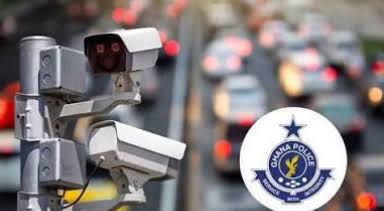
TraffiTech-GH uses cameras, sensors and speed-measurement equipment to detect selected traffic offences and gather evidence. The police have identified speeding and driving through red lights among the violations the technology is intended to capture.
The Motor Traffic and Transport Department previously moved implementation from October 1 to November 1 to allow more public education. Its explanation of the programme said recorded evidence would be reviewed before electronic notices were issued, and that motorists could contest alleged offences in court.
Those safeguards are relevant to concerns about inaccurate or disputed notices. They do not, however, resolve the separate question raised by operators about access to approved stopping places.
Equally, the operators’ concerns about bus stops should be distinguished from the system’s enforcement of other offences. Obstructed loading areas do not explain speeding or passing through red lights. Clear communication about which offences are being enforced at each stage would help define the practical issues requiring resolution.
For commercial drivers, the immediate concern is the relationship between daily operations and the possibility of additional penalties. Passenger services depend on accessible places to stop, collect passengers and allow them to alight safely.
Where designated spaces are occupied, drivers may face pressure to stop elsewhere. That can create congestion and safety risks, while also generating disputes over responsibility for the resulting violations.
Resolving the problem requires cooperation beyond the police. Metropolitan and municipal authorities, transport organisations and traders all have a role in determining how roadside spaces are used and kept accessible.
Removing obstructions may restore access, but maintaining it requires consistent management. Without follow-through, cleared bus stops could become occupied again, leaving the original conflict unresolved.
The position of traders also requires consideration. Relocation arrangements, access to customers and the availability of suitable trading spaces affect whether enforcement can produce a lasting improvement.
These competing demands make the dispute an urban management issue as well as a traffic enforcement challenge. Roads must accommodate the movement of vehicles and pedestrians, while commercial activity needs spaces that do not undermine those functions.
A widespread withdrawal of commercial transport would carry consequences beyond the operators themselves. Workers, students and traders could face difficulty reaching their destinations, particularly where alternative services are limited or more expensive.
If the dispute continues into Monday, November 2, the beginning of the working week would make the availability of commuter services especially important. Any disruption could affect business opening times, employee attendance and access to markets.
Those remain potential consequences rather than confirmed effects of a nationwide shutdown. The scale of any action would depend on participation across transport groups and locations.
The police’s stated position is that digital enforcement will support existing traffic policing. ACP Alexander Obeng, Director of Research, Education and Training at the Motor Traffic and Transport Department, has explained that the technology will complement conventional enforcement.
That approach gives authorities an opportunity to combine electronic evidence with practical assessment of road conditions. For operators, it also creates a need to identify specific problem locations and explain precisely how the obstructions affect compliance.
A workable response would require clarity on enforcement procedures, accessible channels for resolving disputed notices and visible action on occupied transport spaces.
The immediate test is whether authorities and transport organisations can reach that understanding while keeping passenger services running. The longer-term challenge is to ensure that digital enforcement and the management of roads, bus stops and pedestrian spaces advance together.

