

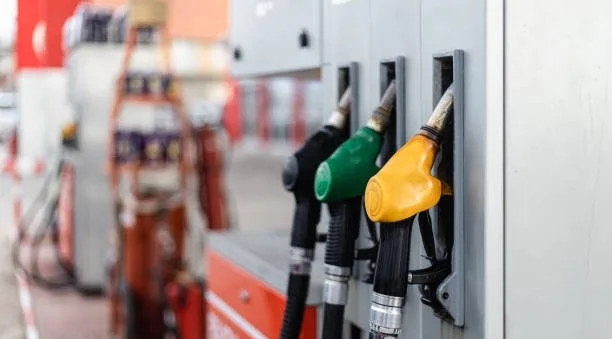

- Fuel Retailers Break Pricing Cycle as US$100 Oil Rekindles Inflation Fears
Ghana’s downstream petroleum market is beginning to show renewed signs of stress, after major Oil Marketing Companies moved to raise pump prices ahead of the official bi-weekly pricing window, signalling that global oil pressures are beginning to outpace the industry’s normal pricing rhythm.
The early price adjustments mark an important shift in market behaviour. In ordinary times, fuel retailers align pump price revisions with the agreed pricing cycle, giving consumers, transport operators and businesses a predictable window within which to anticipate changes. But the latest moves suggest that the cost pressures confronting importers and retailers have become too strong to wait for the next formal adjustment window.
State-owned GOIL revised its prices effective July 23, with petrol now selling at GH¢14.38 per litre and diesel at GH¢17.41 per litre. Star Oil also adjusted prices upward, raising petrol from GH¢13.97 to GH¢14.17 per litre, while diesel moved from GH¢16.95 to GH¢17.37 per litre.
The increases may appear modest at the pump, but their timing is the real story. When retailers break the pricing cycle, it often signals that cost conditions are changing faster than the domestic market mechanism can absorb. For consumers, that creates uncertainty. For transport operators, it raises the prospect of fresh fare pressures. For policymakers, it threatens to reopen an inflation channel that had only recently begun to cool.
The immediate trigger is the sharp rise in global crude oil prices, with crude trading above US$100.00 per barrel amid heightened geopolitical tensions in the Middle East. The renewed instability has raised fears of supply disruptions, particularly around key shipping routes such as the Strait of Hormuz, a critical corridor for global crude exports.
Higher crude prices are only one part of the problem. Shipping and insurance costs have also risen as geopolitical risks intensify, while renewed weakness in the cedi has added another layer of pressure to the import cost of refined petroleum products.
For Ghana, which remains a net importer of petroleum products, these shocks are transmitted quickly. When international prices rise and the exchange rate weakens, importers pay more to bring fuel into the country. That cost eventually appears at the pump, unless absorbed by suppliers, cushioned by government intervention or delayed through pricing-cycle management.
This time, the market appears to be choosing immediate adjustment over delayed absorption.
That decision carries wider economic consequences. Fuel is not an ordinary consumer item. It is an input into almost every part of the economy. It moves people, goods, food, construction materials, manufactured products and essential services. When fuel prices rise, transport fares often follow. When transport costs rise, food prices and business operating expenses tend to move with them.
The latest increases therefore risk complicating Ghana’s disinflation story. Policymakers have been working to consolidate recent macroeconomic gains after a period of sharp price instability, currency weakness and fiscal pressure. But fuel remains one of the most sensitive channels through which external shocks enter the domestic economy.
The concern is not only the direct increase in petrol and diesel prices. It is the second-round effect. If transport unions demand higher fares, market traders pass on haulage costs, manufacturers adjust prices and households revise inflation expectations, a fuel shock can spread well beyond filling stations.
That is why the timing is delicate. Ghana’s recent improvement in inflation has been one of the strongest pillars of the government’s economic recovery narrative. A fresh fuel-price shock could weaken that confidence, especially if global crude prices remain elevated and the cedi fails to stabilise.
The absence of fuel-specific relief measures in the 2026 Mid-Year Budget Review has also become relevant. Without temporary tax adjustments, targeted consumer relief or a clear stabilisation mechanism, the domestic petroleum market remains largely exposed to international crude prices and exchange-rate volatility.
Government may argue that broad fuel subsidies are fiscally risky and can undermine consolidation. That argument is valid. Ghana’s recent fiscal crisis was worsened by accumulated obligations, energy-sector shortfalls and subsidies that were not always transparently financed. But the absence of any cushioning mechanism also leaves households and businesses exposed to abrupt external shocks.
This is the policy dilemma. Protecting consumers can weaken the budget. Protecting the budget can expose consumers. In a period of global oil volatility, the challenge is to design support that is temporary, targeted and transparent, rather than broad and fiscally dangerous.
For now, the market is doing the adjustment. GOIL and Star Oil’s early price increases may be followed by other retailers if the underlying cost pressures persist. Should crude oil remain above the US$100.00 threshold, or should geopolitical tensions intensify further, Ghana could face another round of pump price increases in the next pricing window.
Diesel prices are particularly important because diesel powers much of the country’s transport, logistics, agriculture, construction and small-scale industrial activity. At GH¢17.41 per litre at GOIL and GH¢17.37 at Star Oil, diesel is already sending a clear signal to businesses that operating costs are rising again.
Petrol price increases will also affect household mobility and commercial transport, but diesel usually carries the heavier economy-wide pass-through.
For investors, the latest developments underline the continued vulnerability of Ghana’s energy market to external commodity shocks. For policymakers, they reinforce the importance of exchange-rate stability, because even when global prices rise, a stable currency can soften the domestic impact. When oil and currency pressures move together, the pump price effect becomes much sharper.
The early price increases also raise questions about the credibility and flexibility of the pricing cycle. A pricing window works best when market conditions are relatively stable. When crude prices, freight costs and exchange rates shift rapidly, retailers may find it difficult to wait. That weakens predictability and makes planning harder for consumers and businesses.
Ghana’s fuel market has therefore entered a more uncertain phase. The country is not yet facing a full-blown energy price crisis, but the warning signs are visible. Oil prices are high. The cedi is under pressure. Import costs are rising. Retailers are adjusting early. Inflation expectations could become unsettled.
The message from the pump is clear: Ghana’s macroeconomic recovery remains exposed to forces beyond its borders.
The immediate policy priority should be to preserve price stability without creating new fiscal risks. That means close monitoring of global oil prices, stronger communication with market participants, transparency around petroleum levies, and renewed efforts to stabilise the currency.
Fuel prices are once again testing Ghana’s recovery. The question is whether the economy can absorb the shock without allowing it to spread into a broader inflation problem.

