


- More Than 100 Killed in Central African Republic Artisanal Gold Mine Collapse
More than 100 people have been killed following the collapse of an artisanal gold mine in the Central African Republic, in one of the deadliest mining accidents reported in the country in recent years.
A senior official at a local mining association said the collapse occurred on Tuesday at a gold mining site in the village of Zamboye, close to the border with Cameroon.
A prosecutor confirmed that a mine had collapsed in the area but said authorities were still working to establish the final death toll and other details surrounding the incident.
Rescue operations were continuing on Wednesday as emergency teams searched the site for survivors and recovered bodies from the collapsed workings.
The prosecutor said an investigation would be opened to determine the cause of the collapse and establish who was operating the mine.
The disaster once again highlights the acute safety risks associated with artisanal and small-scale mining across parts of Africa, where thousands of people depend on informal mining for their livelihoods but often work in conditions with limited regulatory oversight, weak engineering standards and inadequate emergency infrastructure.
Artisanal mining is an important source of employment and income across the continent, particularly in rural communities where alternative economic opportunities are limited.
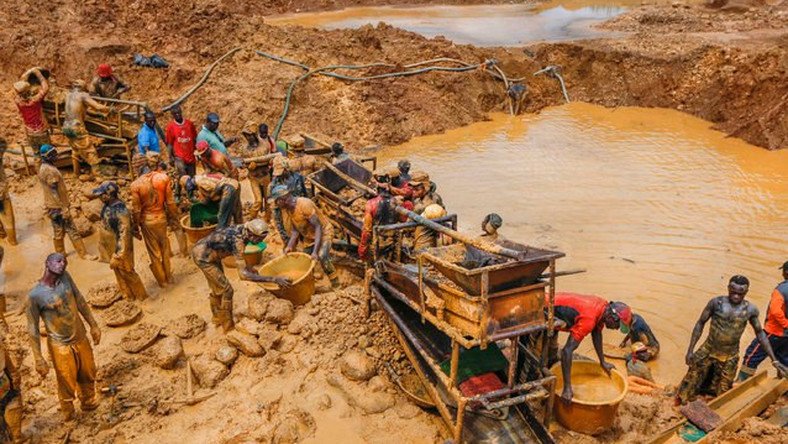
But informal mining sites are frequently characterised by unstable shafts, rudimentary excavation techniques and limited access to protective equipment, leaving miners vulnerable to landslides, tunnel collapses and flooding.
The location of the Zamboye site near Cameroon has also prompted a cross-border response.
Cameroonian authorities said they were prepared to receive and provide medical care to injured people who crossed the border following the accident.
The scale of the reported death toll raises questions over the conditions under which the mine was operating and whether sufficient safety measures were in place before the collapse.
Those questions will form part of the investigation announced by Central African Republic authorities.
For communities dependent on artisanal mining, however, the challenge is particularly difficult. The sector often provides a critical source of income even where working conditions are dangerous, creating a tension between livelihood protection and enforcement of mining and safety regulations.
Across several African mining economies, governments have struggled to formalise artisanal mining while simultaneously improving occupational safety, environmental standards and accountability over who controls individual sites.
Where regulation is weak, accidents can expose miners to catastrophic risks while making it difficult for authorities to establish responsibility after disasters occur.
The Zamboye collapse also illustrates the limits of emergency response in remote mining areas.
Artisanal mining sites are often located far from major hospitals, paved roads and specialised rescue services, meaning injured miners can face long delays before receiving treatment.
Cameroon’s offer to receive casualties may therefore become important if local medical capacity proves insufficient.
The immediate priority remains the rescue effort and the confirmation of the number of people affected.
The prosecutor’s caution over the death toll also underscores the uncertainty that can accompany disasters at informal mining sites, where accurate worker records may not exist and the number of people underground at the time of an accident can be difficult to establish quickly.
As the investigation proceeds, authorities will face pressure not only to determine what caused the collapse but also to examine whether the site was operating within an effective regulatory framework.
Artisanal mining will continue to provide livelihoods for large numbers of people across Africa, but without stronger safety standards, supervision and formalisation, the sector will remain vulnerable to disasters in which the cost is measured not in lost production but in human lives.
For the Central African Republic, the Zamboye tragedy now presents both an immediate humanitarian emergency and a wider test of whether lessons from the disaster will lead to stronger protections for miners working in one of the country’s most hazardous informal industries.

