

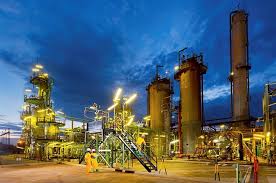

- Natref Refinery Stake Draws Trafigura as Africa’s Fuel Demand Holds Firm
Global commodities trader Trafigura is among three bidders seeking to acquire a minority stake in South Africa’s Natref oil refinery, in a transaction that could deepen its exposure to one of Africa’s largest fuel markets. The stake on offer represents 36.36 per cent of Natref, a 108,500-barrel-per-day inland refinery operated by Sasol. The asset was previously owned by TotalEnergies before being acquired by UK-based Prax Group, which later entered administration in 2025, according to Reuters.
Sasol, which holds the majority stake and operates the refinery, retains a right of first refusal over the stake. That means the South African energy group could still match a preferred bid if it chooses to retain tighter control over the asset.
Trafigura is not in exclusive talks, with the open bidding process also attracting two Black-owned South African energy firms. Those local bidders could later partner with Western energy companies, a structure that would align with South Africa’s Black Economic Empowerment policy framework aimed at broadening Black participation in strategic sectors of the economy.
Natref is one of South Africa’s most important refining assets. Located inland, the refinery plays a key role in domestic fuel supply and logistics, particularly in a market where refining capacity has come under pressure from ageing infrastructure, shutdowns and policy uncertainty.
The sale process comes at a time when global energy traders are showing renewed interest in African downstream and fuel supply assets. Unlike Europe, where fuel demand is expected to decline over the long term due to the energy transition, South Africa and other African markets continue to offer demand growth driven by transport, industry, mining, logistics and urbanisation.
For Trafigura, a stake in Natref would provide a strategic foothold in South Africa’s refining and fuel distribution system, strengthening its position in a market where it already competes with other major commodities traders such as Vitol and Glencore.
The company has also been expanding its African energy footprint. It recently secured a US$1 billion pre-payment agreement with Gabon for crude oil deliveries, further underlining its appetite for structured energy transactions on the continent.
The interest in Natref also reflects a wider shift in Africa’s fuel market. The continent continues to import a large share of its refined products, making refinery ownership, supply contracts and logistics infrastructure increasingly valuable.
South Africa’s downstream sector, however, remains complex. Investors must navigate regulatory requirements, empowerment obligations, fuel pricing rules, environmental compliance, infrastructure constraints and the broader shift toward cleaner energy.
The participation of Black-owned South African bidders adds another layer to the sale process. Any successful transaction is likely to be assessed not only on price, but also on its alignment with local ownership, operational continuity, energy security and transformation objectives.
For Sasol, the outcome could determine the future shareholder structure of Natref at a time when South Africa is trying to secure reliable domestic fuel supply while balancing refinery economics and transition pressures.
For Trafigura, the bid is a calculated bet that African fuel demand will remain resilient even as global energy markets shift. If successful, it would give the trader a direct stake in one of South Africa’s most strategic downstream assets and deepen its role in the continent’s petroleum value chain.
The contest for Natref therefore goes beyond a refinery stake. It is a signal of how global commodity traders, local empowerment investors and incumbent operators are repositioning for the next phase of Africa’s fuel economy.

